Where to Stay in Bwindi Impenetrable National Park
September 29, 2026
Gorilla Trekking in Bwindi Impenetrable National Park
September 29, 2026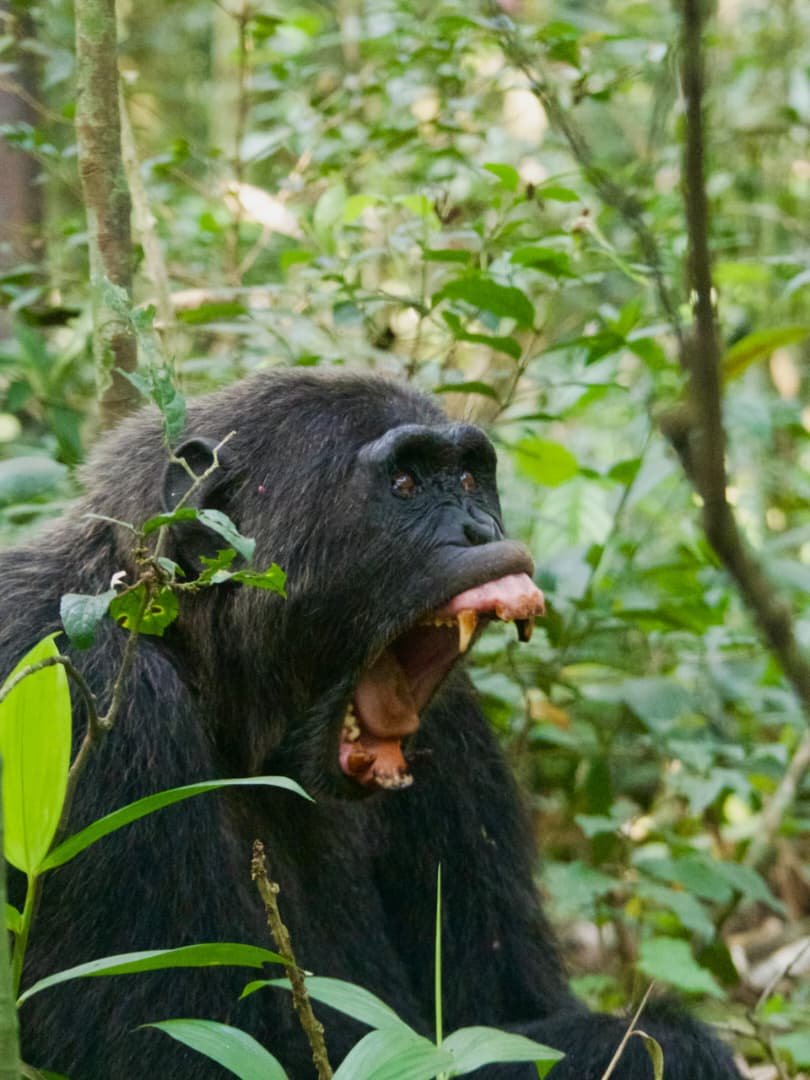
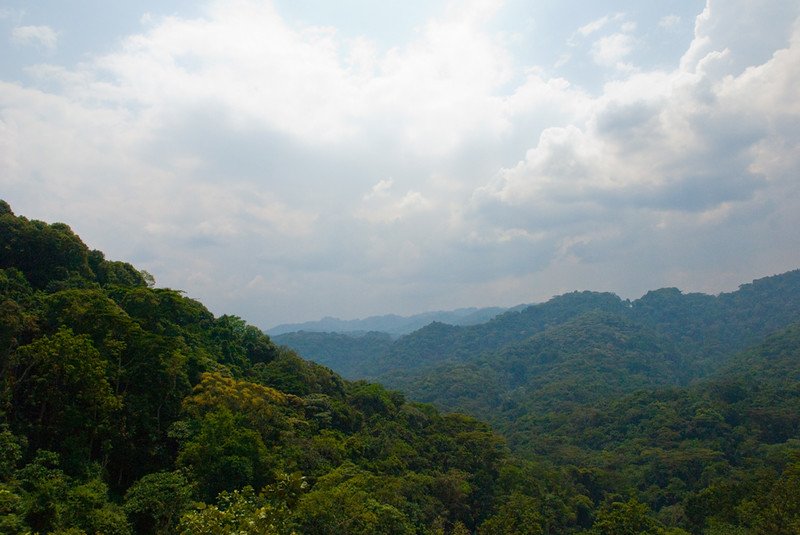
Things to do in Bwindi go far beyond a single hour with mountain gorillas, and Zamunda Travels wants every guest to see that. Bwindi Impenetrable National Park covers 331 square kilometres of ancient rainforest in southwestern Uganda. It rises from about 1,160 metres to 2,607 metres above sea level, and UNESCO protects it as a World Heritage Site. The forest shelters roughly half of the world’s mountain gorillas. It also supports more than 120 mammal species, over 350 bird species and more than 200 butterfly species. Because of this richness, a well-planned visit easily fills several days. This guide walks you through the best activities, from gorilla trekking and waterfall hikes to Batwa cultural encounters and community cycling. Zamunda Travels has researched each option so that you can choose wisely and travel with confidence.
Things to Do in Bwindi Start with Understanding the Forest
Before you pick activities, it helps to understand the layout of the park. Bwindi has four main sectors, namely Buhoma in the north, Ruhija in the east, and Rushaga and Nkuringo in the south. Each sector has its own trailheads, gorilla families and scenery. Buhoma offers the widest choice of walks and cultural visits, so many first-time guests base themselves there. Ruhija suits birdwatchers, while Rushaga and Nkuringo attract trekkers who want dramatic hillside views. Zamunda Travels usually matches your interests to a sector before we build the rest of the itinerary. As a result, you spend more time enjoying the forest and less time driving between trailheads.
Gorilla Trekking, the Top Attraction in the Park
Gorilla trekking remains the main reason travellers come to Bwindi, and it deserves its fame. Guides lead small groups into the dense forest to find a habituated gorilla family. The search can last anywhere from one hour to seven hours, depending on where the gorillas fed and slept the night before. Once you find them, you spend one hour watching the silverback, the mothers and the playful young. Rangers brief every group before the trek, and the briefing usually starts around eight in the morning. The park has around 20 habituated families, so guests spread across several trekking groups each day. This limit protects the gorillas and keeps the experience calm and personal.
Permits, Rules and Booking Tips
A gorilla permit is mandatory, and the Uganda Wildlife Authority sets the price. Current published rates for 2026 and 2027 show US$800 for foreign non-residents, US$700 for foreign residents and UGX 300,000 for East African citizens. Rates can change, so Zamunda Travels always confirms the latest tariff before we quote you. Only eight visitors may join each gorilla family per day, and trekkers must be at least 15 years old. Nobody sells permits at the park gate. Consequently, you must book months ahead, and experts recommend three to six months in advance for the busy dry seasons. Zamunda Travels handles the permit request for you, so your date and sector stay secure.
Gorilla Habituation Experience in Rushaga
Some travellers want more than one hour, and the Gorilla Habituation Experience answers that wish. It takes place only in the Rushaga sector. Guests join researchers and trackers who gradually accustom a semi-habituated gorilla family to human presence. Instead of one hour, you spend up to four hours with the group. The permit costs US$1,500 per person for foreign non-residents, which is higher than a standard trekking permit. Nevertheless, many photographers and wildlife lovers find the extra time worth the price. You watch feeding, grooming and family interaction at a relaxed pace. Zamunda Travels recommends this option to guests who value depth over speed.
Nature Walks and Waterfall Hikes
Gorilla trekking is not the only way to enjoy the forest on foot. Buhoma alone has several guided trails, and each one shows a different side of the park. The Munyaga Waterfall Trail takes about three to four hours and leads to a cascade of roughly 33 metres. Along the way, you pass tree ferns, orchids, butterflies and, with luck, black-and-white colobus monkeys. The trail suits families and casual hikers, since it climbs gradually through farmland before entering thick forest. Meanwhile, the Muzabajiro Loop covers about six kilometres around a hill and rewards you with views toward the Virunga Mountains. The Rushura Hill Trail offers wide views across the rift valley, and on clear days you may spot the Rwenzori Mountains in the distance.
Serious hikers can choose longer routes. The Ivi River Trail runs about 14 kilometres and takes roughly seven hours, so it fills a full day. In addition, the Buhoma to Nkuringo trail crosses the whole park and links two sectors. Guides from the Uganda Wildlife Authority accompany every walk, which keeps you safe and protects the ecosystem. Zamunda Travels advises guests to wear sturdy boots, carry rain gear and bring plenty of water. Also, you do not need a gorilla permit for these walks, but you do pay a park entrance fee, currently listed at US$40 for foreign non-residents.
Birdwatching in Bwindi
Bwindi ranks among the finest birding destinations in Africa. Depending on the source, the park hosts between 350 and more than 400 bird species, including 23 Albertine Rift endemics. The African green broadbill is the most sought-after sighting, and Shelley’s crimsonwing and the Rwenzori turaco also excite birders. Because the forest is dense, patient listening matters as much as sharp eyesight. The Buhoma Waterfall Trail is a popular birding route. In the Ruhija sector, the Mubwindi Swamp Trail and the bamboo zone give access to different habitats and different species. Experienced bird guides know each call and each favourite perch. Zamunda Travels pairs keen birders with specialist guides and builds in early mornings, when birdsong peaks.
Cultural Things to Do in Bwindi with Local Communities
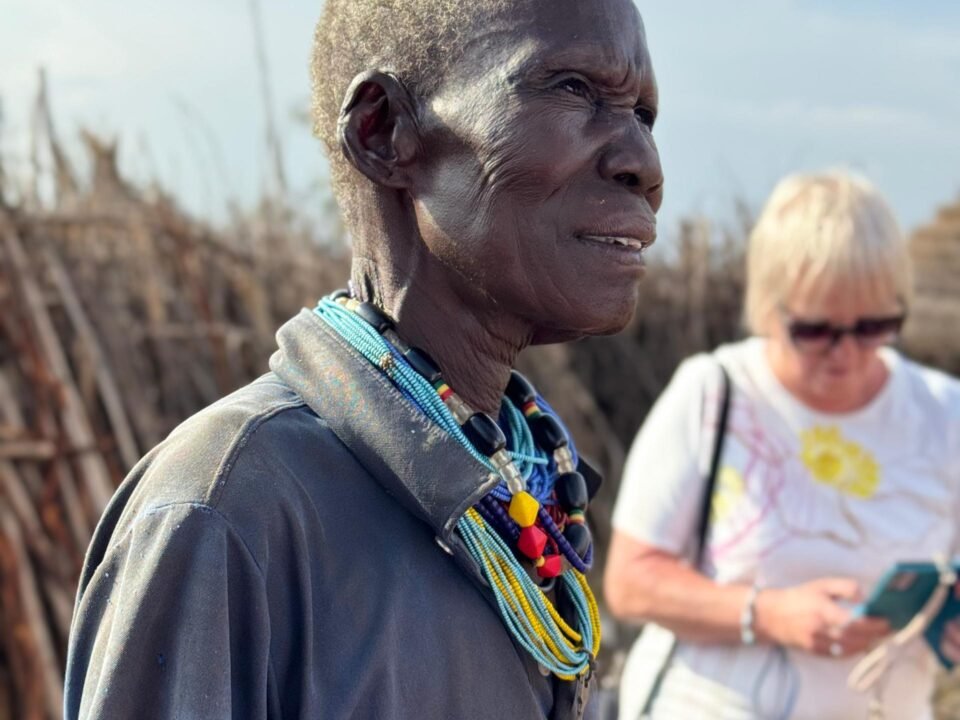
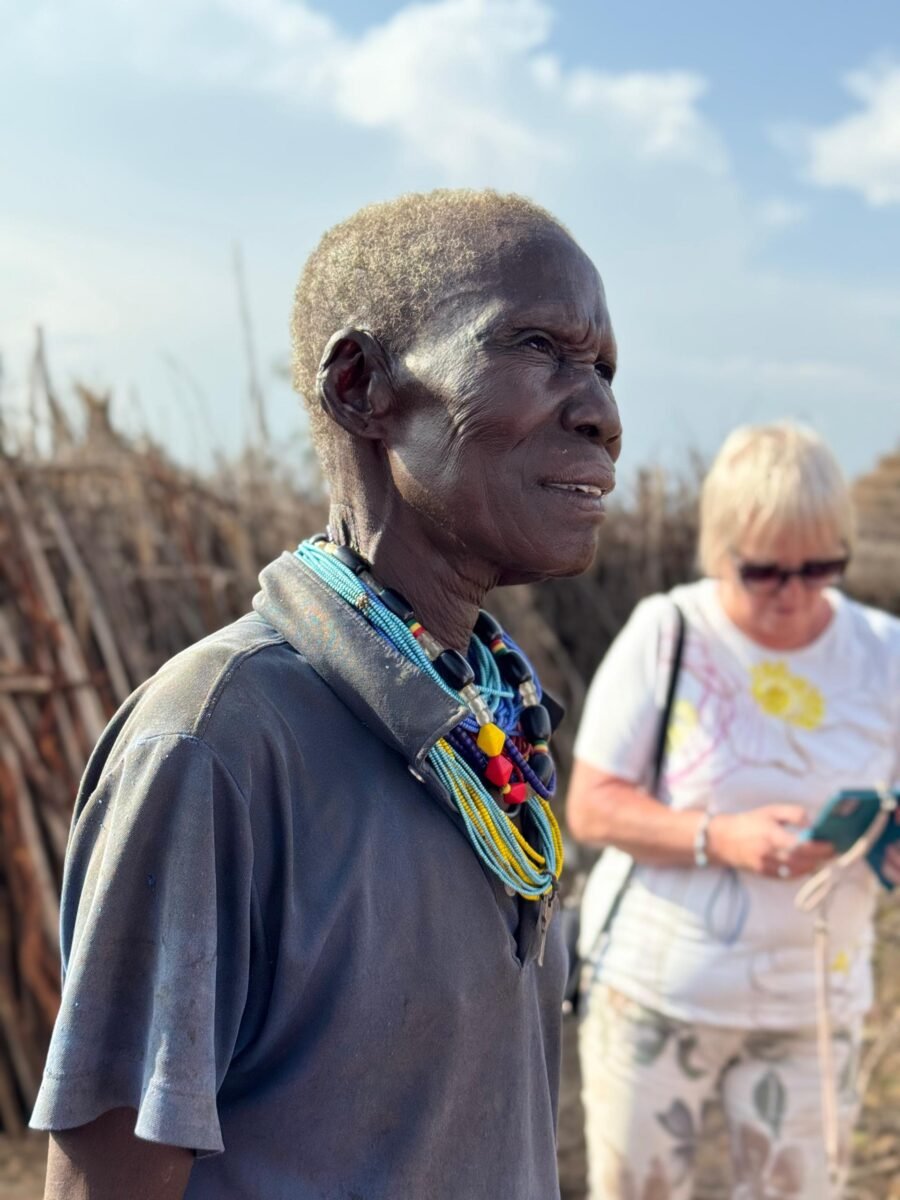
Nature is only half the story, because people have shaped this landscape for generations. The Batwa Experience introduces you to the Batwa, the original forest people who lived as hunters and gatherers before the park was gazetted. They lost their homes when authorities protected the forest. Today, Batwa guides show how they gathered honey, used medicinal plants and built shelters. They also share songs and dances that carry their history. Therefore, the visit offers a thoughtful and honest look at the human side of conservation. Your fee supports Batwa families directly.
The Buhoma Community Village Walk pairs well with the Batwa Experience. This walk lasts about three hours and starts at the Buhoma Community Rest Camp. You visit a local school, meet a traditional healer and watch craftspeople at work. You can also taste banana juice, beer and gin made in the village. Every fee goes back into local projects, including schools, water schemes and savings cooperatives. Zamunda Travels includes a community visit in most Bwindi itineraries, because guests often call it the most memorable part of the trip.
Cycling with Ride 4 a Woman
If you prefer wheels to walking, try the cycling tours run by Ride 4 a Woman. Evelyn Habasa and her husband, Denis Rubalema, founded this community project in 2009 to support local women. Riders follow a well-kept trail of about 13 kilometres toward the Ivi River, and the round trip takes six to seven hours. Along the route, you may see bushbuck and monkeys. The project also runs a guesthouse and craft centre where women weave baskets, sew and drum. So, every ride and every purchase helps a woman in the community earn her own income.
More Things to Do in Bwindi and Around the Park
The surrounding region adds even more variety. Lake Bunyonyi, Lake Mutanda and Lake Mulehe sit within reach of the park, and each one offers boat rides, birdwatching and calm scenery. After several days of forest trails, a lazy canoe trip feels like a well-earned reward. Additionally, Zamunda Travels can link Bwindi with Queen Elizabeth National Park or Lake Mburo National Park for a broader Uganda safari. Many guests enjoy tree-climbing lions and a boat cruise on the Kazinga Channel before or after the gorillas. As a result, one trip can combine primates, savannah wildlife and highland lakes.
Best Time to Visit and How to Get There
Bwindi is open all year, but the dry months make trekking easier. The best periods run from June to September and from December to February, when trails stay less muddy. The wet months bring fewer visitors and lush scenery, so they suit flexible travellers. To reach the park, you can drive from Kampala or Entebbe in about eight to ten hours. Alternatively, you can take a short flight from Entebbe to Kihihi airstrip for Buhoma or to Kisoro airstrip for Nkuringo and Rushaga. Travellers coming from Kigali can also drive across the border to the southern sectors. Zamunda Travels arranges either option, along with your vehicle, driver-guide and lodge.
Plan Things to Do in Bwindi with Zamunda Travels
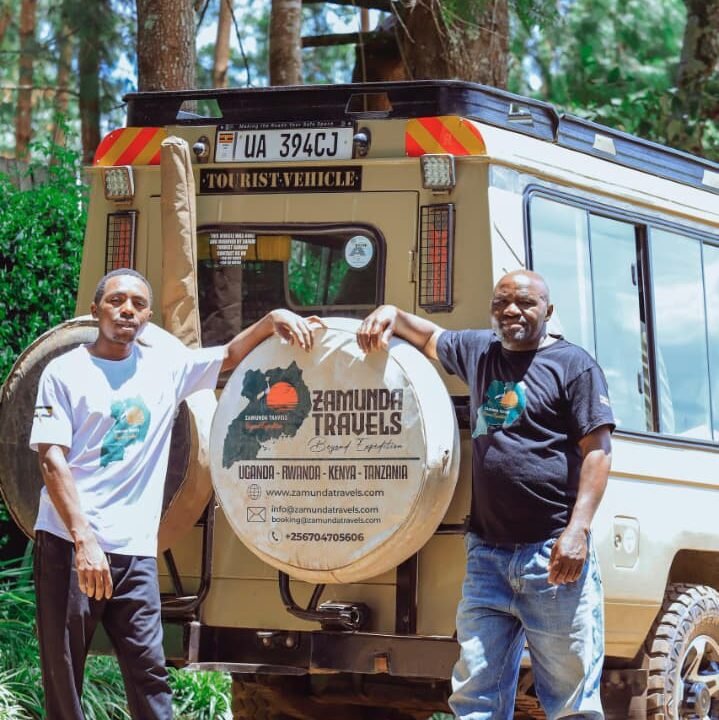
A great Bwindi trip needs more than a permit. It needs the right sector, the right lodge, the right pace and a team that knows the forest. Zamunda Travels designs itineraries around your budget, fitness level and interests. We book your gorilla permit, arrange transport and add nature walks, birding, cultural visits and cycling as you wish. Furthermore, our guides explain the forest, the wildlife and the communities in clear and honest terms. Contact Zamunda Travels today, and we will help you turn your list of things to do in Bwindi into a smooth and unforgettable safari.