How Difficult Is Gorilla Trekking in Uganda?
April 3, 2026
Hippos of Kazinga Channel
April 3, 2026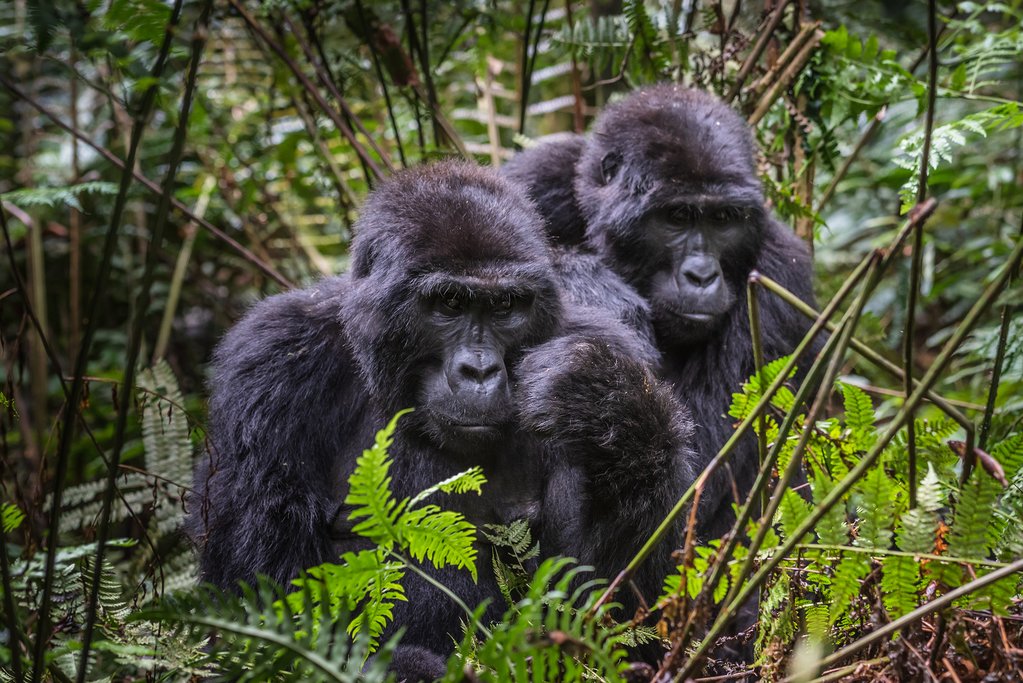
Uganda is one of the few places on earth where you can encounter mountain gorillas in their natural habitat. These gentle giants live deep within lush tropical forests and offer one of the most powerful wildlife experiences in Africa. At Zamunda Travels, we guide travelers into these forests with expert knowledge and care. In this detailed guide, we explore the most fascinating facts about mountain gorillas in Uganda while helping you understand their behavior, habitat, and conservation.
Facts About Mountain Gorillas in Uganda: Where They Live
Mountain gorillas in Uganda live in two protected areas, Bwindi Impenetrable National Park and Mgahinga Gorilla National Park. These forests sit in the southwestern region of Uganda and form part of the greater Virunga Conservation Area.
Bwindi is the most famous location because it hosts nearly half of the world’s remaining mountain gorilla population. The forest is dense, ancient, and full of biodiversity. Mgahinga, though smaller, offers a quieter trekking experience and stunning volcanic scenery. Zamunda Travels organizes gorilla trekking safaris to both parks, ensuring travelers enjoy safe and well-guided encounters.
Facts About Mountain Gorillas in Uganda: Population and Conservation
One of the most important facts about mountain gorillas in Uganda is their conservation success. Mountain gorillas were once critically endangered. However, thanks to strong conservation efforts, their numbers have slowly increased. Today, the global population exceeds 1,000 individuals.
Organizations like the Uganda Wildlife Authority work closely with international partners to protect these primates. Conservation includes anti-poaching patrols, veterinary care, and community involvement. Zamunda Travels supports responsible tourism that contributes directly to these conservation programs.
Facts About Mountain Gorillas in Uganda: Family Structure and Behavior
Mountain gorillas live in close-knit family groups led by a dominant male called a silverback. A silverback earns this name from the patch of silver hair on his back. He protects the group, makes decisions, and leads daily activities such as feeding and resting.
A typical gorilla family includes several females, juveniles, and infants. Gorillas show strong social bonds and often groom each other. They also communicate using sounds, gestures, and facial expressions. Visitors who trek with Zamunda Travels often witness these interactions, which feel deeply human and emotional.
Facts About Mountain Gorillas in Uganda: Diet and Feeding Habits
Another interesting fact about mountain gorillas in Uganda is their diet. These primates are herbivores and feed mainly on leaves, stems, fruits, and bamboo shoots. They spend a large part of their day eating to maintain their massive size.
An adult gorilla can consume up to 30 kilograms of vegetation each day. Despite their size and strength, they live peacefully and rarely show aggression unless threatened. Zamunda Travels ensures that visitors follow strict guidelines to avoid disturbing their natural feeding behavior.
Facts About Mountain Gorillas in Uganda: Gorilla Trekking Experience
Gorilla trekking is the highlight of any safari in Uganda. Visitors hike through thick forests to locate a habituated gorilla family. The trek can take a few hours, depending on the location of the gorillas.
Once found, visitors spend one hour observing them at a safe distance. This moment often becomes the most memorable part of the trip. Zamunda Travels provides experienced guides and porters to make the journey easier and more enjoyable.
Facts About Mountain Gorillas in Uganda: Physical Strength and Intelligence
Mountain gorillas are incredibly strong. A single silverback can lift weights many times heavier than a human. However, they rarely use this strength aggressively. Instead, they rely on displays such as chest beating to show dominance.
These primates are also highly intelligent. They can learn behaviors, recognize individuals, and even use simple tools in rare cases. Their intelligence makes every encounter feel meaningful and unforgettable.
Facts About Mountain Gorillas in Uganda: Threats and Protection
Although their numbers are increasing, mountain gorillas still face threats. Habitat loss, disease, and human conflict remain major challenges. Tourism plays a key role in their protection because it generates funds for conservation.
Zamunda Travels promotes eco-friendly tourism practices. We educate travelers on how to behave responsibly during gorilla trekking. By choosing ethical travel, visitors help protect these endangered animals for future generations.
Facts About Mountain Gorillas in Uganda: Best Time to Visit
Uganda offers gorilla trekking all year round, but the best time to visit is during the dry seasons. These months include June to September and December to February. Trails remain less slippery, and trekking becomes easier.
However, the rainy season also has advantages. The forest looks greener, and permits are sometimes easier to secure. Zamunda Travels helps clients plan trips based on their preferences and travel goals.
Why Mountain Gorillas in Uganda Matter
Mountain gorillas are more than just wildlife. They represent a conservation success story and a symbol of Uganda’s natural heritage. Every trek supports their survival and benefits local communities.
At Zamunda Travels, we believe that travel should create lasting impact. We design gorilla trekking experiences that combine adventure, education, and conservation. By learning these facts about mountain gorillas in Uganda, you take the first step toward an unforgettable journey.