The Friendly Chuff and the Warning Growl of a Tiger in Entebbe Zoo
May 3, 2026
Unveiling Kitagata Hot Springs: Uganda’s Natural Healing Wonder
May 3, 2026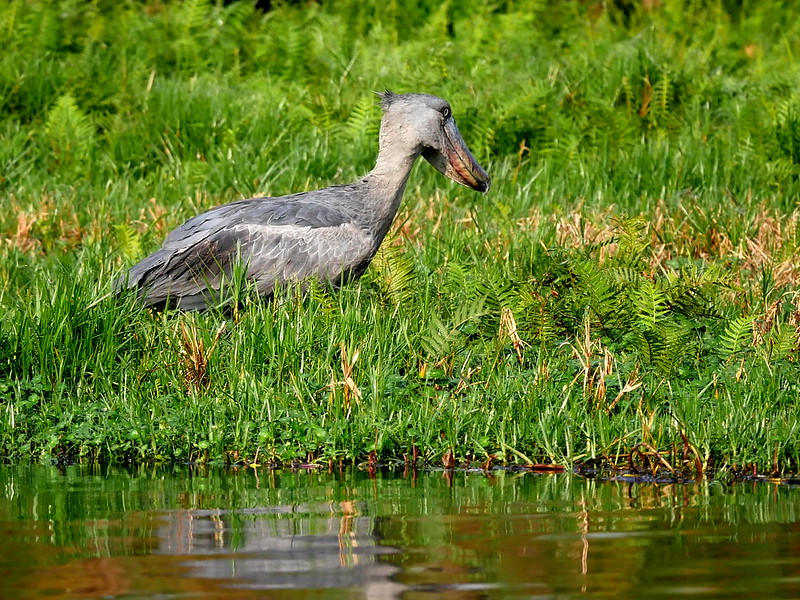
Introduction to Swamp Mabamba and Its Ecological Importance
Swamp Mabamba is one of Uganda’s most important wetland ecosystems, located along the northwestern edge of Lake Victoria near Entebbe. This vast papyrus swamp is globally recognized for its rich biodiversity and its role as a Ramsar-listed wetland of international importance. It serves as a critical habitat for numerous bird species, especially waterbirds that depend on papyrus vegetation for nesting, feeding, and shelter. The swamp is most famous for hosting the elusive shoebill stork, a prehistoric looking bird that attracts birdwatchers from all over the world. Through guided tours organized by Zamunda Travels, visitors gain a deeper appreciation of how this ecosystem supports both wildlife conservation and local livelihoods.
Swamp Mabamba Birding Experience in Uganda
The Swamp Mabamba birding experience is one of the most rewarding nature activities in Uganda, especially for bird enthusiasts and photographers. Visitors typically explore the swamp by traditional canoe, gliding through narrow channels lined with thick papyrus reeds. This slow-paced journey allows travelers to observe over 300 bird species, including malachite kingfishers, African jacanas, purple herons, and pied kingfishers. The calm waters and early morning mist create a magical atmosphere that enhances wildlife sightings. Zamunda Travels carefully designs birding excursions to maximize viewing opportunities while respecting the fragile wetland environment. The guides understand bird behavior, which increases the chances of spotting rare species in their natural habitat.
Swamp Mabamba Shoebill Stork Encounters
One of the main highlights of visiting Swamp Mabamba is the opportunity to see the rare shoebill stork. This large and iconic bird is known for its massive shoe-shaped bill and still-hunting behavior. It prefers quiet, shallow waters where it patiently waits for lungfish and other prey. Swamp Mabamba remains one of the best places in Africa to observe this species in the wild. Sightings are not guaranteed, but experienced guides from Zamunda Travels know the best feeding zones and timing patterns, which significantly improves success rates. Observing a shoebill in its natural swamp habitat is often described as a once-in-a-lifetime experience due to its calm presence and prehistoric appearance.
Swamp Mabamba Tours with Zamunda Travels
Zamunda Travels offers professionally guided Swamp Mabamba tours that focus on sustainability, education, and immersive wildlife experiences. The tours typically begin from Entebbe or Kampala, followed by a scenic drive to the wetland where local canoe guides lead visitors into the swamp. Zamunda Travels ensures that every trip supports community-based tourism by working closely with local boat operators and conservation groups. This approach helps protect the wetland while providing income opportunities for surrounding communities. Travelers also receive educational insights about wetland conservation, bird migration patterns, and the cultural significance of Mabamba to local fishing communities.
Conservation Value of Swamp Mabamba Wetland
Swamp Mabamba plays a crucial role in environmental conservation in Uganda. The wetland acts as a natural water filter for Lake Victoria, helps control flooding, and supports fisheries that sustain nearby communities. Its dense papyrus vegetation provides breeding grounds for fish and nesting sites for birds, making it an essential ecological zone. However, human pressure such as agriculture expansion and unregulated fishing poses challenges to its sustainability. Conservation efforts led by local groups and tourism partners like Zamunda Travels help protect this fragile ecosystem while promoting responsible tourism practices.
Best Time to Visit Swamp Mabamba
The best time to visit Swamp Mabamba is during the early morning hours when bird activity is at its peak. Cooler temperatures and calm waters improve visibility and increase the likelihood of spotting the shoebill stork. The dry seasons, typically from June to August and December to February, are ideal for easier canoe navigation and clearer photography conditions. However, the swamp remains accessible throughout the year, and each season offers unique birding experiences. Zamunda Travels recommends early bookings to secure the best guided canoe tours during peak wildlife activity hours.