
Best Cultural Experiences in East Africa
May 10, 2026
Ugandan Safari Seasons
May 10, 2026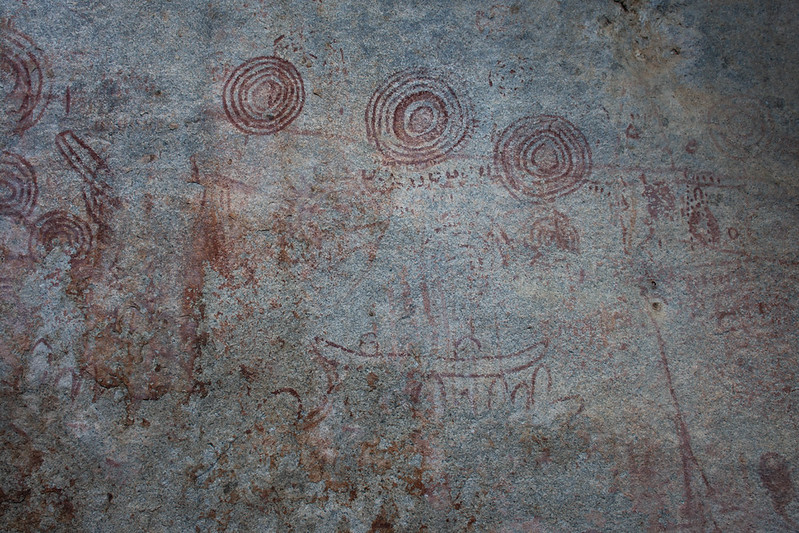
East Africa holds some of the world’s most important archaeological treasures. The region preserves evidence of early human life, ancient kingdoms, trade civilizations, and cultural traditions that shaped Africa’s history. From prehistoric fossils in the Great Rift Valley to medieval Swahili settlements along the Indian Ocean coast, archaeological sites in East Africa continue to attract historians, researchers, and travelers from around the world. These remarkable destinations allow visitors to explore human origins, ancient architecture, traditional lifestyles, and historical trade routes that connected Africa to Arabia, Persia, India, and Europe centuries ago.
At Zamunda Travels, travelers experience East Africa beyond wildlife safaris and gorilla trekking adventures. The region’s archaeological heritage offers another exciting journey into the past. Visitors can walk through ancient ruins, discover rock art shelters, explore UNESCO World Heritage Sites, and learn about early civilizations that once flourished across Uganda, Kenya, Tanzania, Rwanda, and Ethiopia. In addition, these destinations provide educational experiences for students, researchers, photographers, and cultural travelers seeking a deeper understanding of Africa’s rich history.
Why Archaeological Sites in East Africa Matter
Archaeological sites in East Africa play a major role in understanding the story of humanity. Scientists discovered some of the oldest human fossils in this region, making East Africa one of the most significant areas for studying human evolution. The Great Rift Valley contains ancient remains that reveal how early humans lived, hunted, migrated, and adapted to changing environments millions of years ago.
Furthermore, these archaeological sites preserve evidence of ancient trade networks and kingdoms. Coastal settlements along the Swahili Coast demonstrate how East African communities traded gold, ivory, spices, and beads with merchants from Asia and the Middle East. Ancient rock paintings and cave shelters also reveal cultural beliefs, artistic traditions, and survival techniques used by early communities. Because of this historical value, several archaeological sites in East Africa now enjoy protection under UNESCO World Heritage programs.
Travelers who visit these destinations gain a stronger appreciation for Africa’s contribution to world history. Zamunda Travels organizes cultural and historical tours that combine archaeological exploration with wildlife safaris, community experiences, and traditional African hospitality.
Top Archaeological Sites in East Africa
Olduvai Gorge: Tanzania’s Cradle of Humankind
Among the most famous archaeological sites in East Africa, Olduvai Gorge stands out as one of the world’s most important paleoanthropological locations. Situated within the Great Rift Valley in northern Tanzania, Olduvai Gorge became globally famous after archaeologists Louis and Mary Leakey discovered early human fossils and stone tools at the site.
Scientists found remains dating back nearly two million years, helping researchers understand human evolution and prehistoric lifestyles. The site also contains fossils of extinct animals, ancient hunting tools, and evidence of early human settlements. Today, visitors can explore the Olduvai Gorge Museum, view excavation areas, and learn about groundbreaking discoveries that changed anthropology forever.
Many travelers combine visits to Olduvai Gorge with safaris in the nearby Ngorongoro Crater and Serengeti National Park. Zamunda Travels often includes these experiences in northern Tanzania safari packages for travelers interested in culture and history.
The Rock Hewn Churches of Lalibela in Ethiopia
Another remarkable example of archaeological sites in East Africa lies in northern Ethiopia. Rock Hewn Churches of Lalibela represent one of Africa’s greatest architectural achievements. Builders carved these medieval churches directly into volcanic rock during the 12th and 13th centuries under King Lalibela’s leadership.
The churches remain active places of worship for Ethiopian Orthodox Christians. Their underground passages, stone carvings, tunnels, and religious symbols continue to amaze visitors and historians alike. UNESCO recognizes Lalibela as a World Heritage Site because of its cultural and religious importance.
Travelers visiting Lalibela often experience vibrant religious festivals, ancient manuscripts, and traditional Ethiopian ceremonies. Zamunda Travels recommends Lalibela for cultural travelers seeking a deeper connection with East Africa’s spiritual and historical heritage.
Archaeological Sites in East Africa Along the Swahili Coast
The East African coast preserves some of the finest examples of medieval trade civilizations. Kilwa Kisiwani in Tanzania once served as a powerful trading city connecting Africa with Arabia, India, and Persia. Archaeologists discovered ancient mosques, palaces, tombs, and trading centers built from coral stone.
Kilwa flourished between the 13th and 16th centuries through trade in gold, ivory, and spices. Today, visitors can explore the ruins while learning about Swahili culture and Indian Ocean trade history. UNESCO recognizes Kilwa Kisiwani for its outstanding historical significance.
Similarly, Gedi Ruins in Kenya offers another fascinating archaeological experience. The abandoned Swahili town features stone houses, mosques, palace remains, and ancient wells hidden within coastal forests. Historians believe Gedi prospered during the medieval period before mysterious abandonment in the 17th century.
These coastal archaeological sites in East Africa reveal the region’s strong international trade connections long before colonial rule. Zamunda Travels organizes coastal cultural tours that combine historical exploration with beach relaxation along the Indian Ocean.
Nyero Rock Paintings in Uganda
Uganda also preserves valuable archaeological heritage through the Nyero Rock Paintings. These ancient rock art shelters contain geometric paintings believed to date back several hundred years. Archaeologists associate the artwork with early hunter gatherer communities that once lived in eastern Uganda.
The paintings appear in red pigments across large rock surfaces and continue to attract historians, students, and tourists interested in prehistoric African art. Visitors can explore the caves while learning about ancient cultural practices and spiritual beliefs connected to the site.
Because Nyero lies within a peaceful rural setting, travelers also enjoy authentic cultural interactions with local communities. Zamunda Travels often recommends this destination for travelers seeking lesser-known cultural experiences in Uganda.
Koobi Fora and Lake Turkana in Kenya
Kenya hosts several important archaeological sites in East Africa, especially around Koobi Fora near Lake Turkana. Researchers discovered numerous hominid fossils and prehistoric artifacts in this region, including remains linked to early human ancestors.
The dry landscape surrounding Lake Turkana preserves fossils exceptionally well. Scientists continue excavations in the area because new discoveries regularly emerge from the ancient sediments. These findings contribute valuable information about early human development, migration, and survival patterns.
Apart from archaeology, Lake Turkana also offers dramatic desert scenery and unique cultural experiences with indigenous communities. Zamunda Travels combines archaeological exploration with cultural tourism and adventure travel in northern Kenya.
Archaeological Sites in East Africa and UNESCO Heritage Protection
Several archaeological sites in East Africa receive UNESCO World Heritage recognition because of their global importance. UNESCO protection helps preserve fragile ruins, ancient artifacts, and historical landscapes for future generations. Conservation efforts also support tourism development, research projects, and local community education.
However, many archaeological locations still face challenges such as climate change, erosion, illegal excavations, and urban development. Responsible tourism therefore plays a critical role in protecting these historical treasures. Travelers who visit with trusted operators like Zamunda Travels help support conservation efforts and sustainable tourism initiatives across East Africa.
Furthermore, governments and international organizations continue investing in archaeological research and heritage preservation throughout the region. New discoveries frequently emerge, making East Africa one of the world’s most exciting destinations for historical exploration.
Best Time to Visit Archaeological Sites in East Africa
Travelers can visit most archaeological sites in East Africa throughout the year. However, the dry seasons usually provide better road conditions and more comfortable exploration opportunities. In Uganda, Kenya, and Tanzania, the best months often fall between June and October as well as December to February.
Travelers should also consider combining archaeological tours with wildlife safaris, gorilla trekking, mountain hiking, or beach holidays. This combination creates a more diverse East African travel experience. Zamunda Travels designs customized itineraries that blend cultural heritage with nature and adventure tourism.
Visitors should carry comfortable walking shoes, sunscreen, drinking water, and light clothing suitable for warm weather. Guided tours also help travelers understand the historical significance of each site while supporting local guides and conservation programs.
Conclusion on Archaeological Sites in East Africa
Archaeological sites in East Africa offer extraordinary journeys into the origins of humanity, ancient civilizations, and Africa’s rich cultural heritage. From Olduvai Gorge and Lalibela to the Swahili ruins of Kilwa and Gedi, these historical destinations preserve stories that shaped the continent and influenced world history. Travelers who explore these sites gain valuable insight into early human evolution, ancient trade networks, spiritual traditions, and traditional African societies.
At Zamunda Travels, cultural tourism goes beyond sightseeing. Every archaeological journey connects travelers with East Africa’s living history, local communities, and breathtaking landscapes. Whether visitors seek educational adventures, heritage tours, photography experiences, or combined safari holidays, East Africa’s archaeological wonders provide unforgettable memories and meaningful discoveries.