The Wonders of Queen Elizabeth National Park
May 10, 2026
UWA Changes Tariffs in Murchison Falls National Park: What Travelers Need to Know
May 10, 2026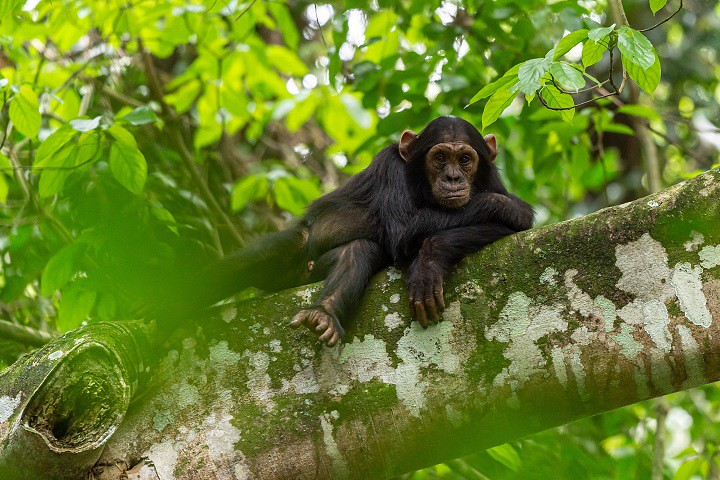
Every year on September 1st, wildlife lovers, conservationists, researchers, and travelers around the world celebrate International Primate Day to honor the incredible diversity of primates and raise awareness about the threats they face. Primates include gorillas, chimpanzees, monkeys, lemurs, baboons, and orangutans. These intelligent animals share many biological and behavioral traits with humans. They communicate, build social groups, use tools, and care deeply for their young. International Primate Day reminds people about the importance of protecting these remarkable species and their natural habitats before they disappear forever.
Across Africa, Asia, and South America, primates continue to face serious challenges such as habitat destruction, poaching, illegal wildlife trade, climate change, and human-wildlife conflict. However, conservation organizations, governments, and responsible tourism companies continue to work hard to protect them. In East Africa, countries like Uganda and Rwanda have become global leaders in gorilla and chimpanzee conservation through sustainable tourism and community involvement. As a trusted safari company, Zamunda Travels proudly supports responsible primate tourism by helping travelers experience these animals while promoting conservation and local community development.
Why International Primate Day Matters
International Primate Day Promotes Wildlife Conservation
International Primate Day plays a major role in educating people about endangered primate species. Many primates now face extinction because forests continue to disappear at an alarming rate. Tropical rainforests provide food, shelter, and breeding grounds for primates. When humans cut down forests for farming, settlement, mining, and logging, primates lose their homes and struggle to survive. International Primate Day encourages governments, travelers, and local communities to support forest conservation projects that protect biodiversity and maintain ecological balance.
In Uganda alone, mountain gorilla conservation has become one of Africa’s greatest wildlife success stories. Protected areas such as Bwindi Impenetrable National Park and Mgahinga Gorilla National Park provide safe habitats for endangered mountain gorillas. Revenue generated from gorilla trekking permits helps fund conservation efforts, ranger patrols, scientific research, and local community projects. Through carefully managed tourism experiences, visitors contribute directly to wildlife protection while enjoying unforgettable encounters with primates in their natural environment.
International Primate Day Encourages Responsible Tourism
Responsible tourism creates opportunities for travelers to appreciate wildlife while minimizing environmental impact. During International Primate Day, many tour companies and conservation organizations promote ethical travel practices that protect primates and their habitats. Visitors learn how to observe animals respectfully by maintaining safe distances, avoiding littering, and following park regulations during primate trekking activities.
Zamunda Travels encourages eco-friendly tourism experiences across East Africa. The company organizes gorilla trekking safaris, chimpanzee tracking tours, and primate photography adventures that support wildlife conservation. Travelers not only enjoy close encounters with primates but also learn about ongoing conservation programs and community initiatives that help preserve these species for future generations.
The Most Famous Primates Celebrated on International Primate Day
Mountain Gorillas and International Primate Day
Mountain gorillas remain among the most celebrated primates during International Primate Day because they are rare, intelligent, and critically important to conservation efforts. These gentle giants live in the high altitude forests of Uganda, Rwanda, and the Democratic Republic of the Congo. Gorilla families live under the leadership of a dominant silverback male who protects the group and guides daily activities.
Gorilla trekking offers travelers a once-in-a-lifetime wildlife experience. Visitors hike through thick forests alongside experienced guides and trackers before spending one unforgettable hour with a habituated gorilla family. During the trek, tourists observe gorillas feeding, grooming, playing, and interacting socially within their groups. Many travelers describe the experience as emotional and life changing because of the strong connection humans share with gorillas.
Chimpanzees and International Primate Day
Chimpanzees also receive special attention during International Primate Day due to their intelligence and complex social behavior. Scientists consider chimpanzees to be humans’ closest living relatives because they share approximately 98 percent of human DNA. Chimpanzees communicate through vocalizations, gestures, facial expressions, and body movements. They also use sticks to gather termites and stones to crack nuts.
Uganda remains one of the best destinations for chimpanzee tracking in Africa. Forests such as Kibale National Park, Budongo Forest, and Kyambura Gorge host thriving chimpanzee populations. Travelers visiting these forests enjoy guided walks that introduce them to the fascinating world of chimpanzees and other primates living in tropical ecosystems.
Golden Monkeys and International Primate Day
Golden monkeys add color and excitement to International Primate Day celebrations in East Africa. These beautiful monkeys feature bright golden-orange fur and playful personalities. They live mainly in the bamboo forests surrounding the Virunga Mountains in Uganda and Rwanda. Golden monkey trekking has become increasingly popular among travelers seeking unique wildlife encounters beyond gorilla trekking.
Visitors tracking golden monkeys often enjoy watching them leap between bamboo stems, forage for food, and interact energetically within their groups. Their fast movements and colorful appearance make them favorites among wildlife photographers and nature enthusiasts exploring East Africa’s mountainous forests.
How Communities Benefit from International Primate Day
International Primate Day Supports Local Livelihoods
Wildlife tourism linked to International Primate Day supports thousands of local jobs across East Africa. Communities near national parks benefit from tourism through employment opportunities in guiding, hospitality, transportation, handicrafts, and cultural entertainment. Revenue-sharing programs also help fund schools, healthcare centers, roads, and clean water projects in rural communities surrounding protected areas.
When local people benefit directly from tourism, they become more motivated to support wildlife conservation. Many communities now participate actively in anti-poaching campaigns, tree planting projects, and environmental education programs that protect primates and forests. Sustainable tourism therefore creates a strong connection between conservation and economic development.
International Primate Day Inspires Environmental Education
Environmental education remains one of the most powerful tools for wildlife conservation. Schools, conservation organizations, and safari companies use International Primate Day to teach children and communities about biodiversity, forest ecosystems, and endangered species protection. Educational campaigns inspire young people to value wildlife and become future conservation leaders.
Travelers also gain important knowledge during primate safaris. Guided nature walks, ranger talks, and community visits help visitors understand the ecological importance of forests and primates. Through educational tourism experiences, people develop greater respect for wildlife conservation and sustainable travel practices.
Best Places to Celebrate International Primate Day in East Africa
East Africa offers some of the world’s finest primate experiences for travelers celebrating International Primate Day. Uganda remains especially popular because of its exceptional biodiversity and variety of primate species. Gorilla trekking in Bwindi, chimpanzee tracking in Kibale, and golden monkey trekking in Mgahinga create unforgettable wildlife adventures for nature lovers.
Rwanda also attracts many visitors through luxury gorilla trekking experiences in Volcanoes National Park. Meanwhile, travelers exploring the Democratic Republic of the Congo can experience gorilla trekking in remote rainforest environments that offer adventurous and authentic wildlife encounters.
Zamunda Travels designs customized primate safaris that combine wildlife encounters, cultural experiences, and conservation education across East Africa. Whether travelers seek gorilla trekking, chimpanzee habituation, birdwatching, or photography tours, the company creates responsible safari experiences that support conservation and local communities.
In conclusion, International Primate Day serves as an important reminder that humans share a deep connection with primates and the natural world. These intelligent animals play a vital role in maintaining healthy forest ecosystems while inspiring millions of people through their behavior, social structures, and remarkable similarities to humans. However, continued threats from habitat loss, poaching, and climate change place many primate species at risk.
By supporting responsible tourism, conservation programs, and environmental education, travelers can help protect primates for future generations. Through unforgettable gorilla trekking, chimpanzee tracking, and wildlife safaris, Zamunda Travels continues to promote sustainable travel experiences that celebrate Africa’s extraordinary primate heritage while contributing to conservation and community development.