A Beginner’s Guide to Planning an African Safari
May 12, 2026
Why Uganda and Rwanda Are Perfect for Eco Friendly Tourism
May 12, 2026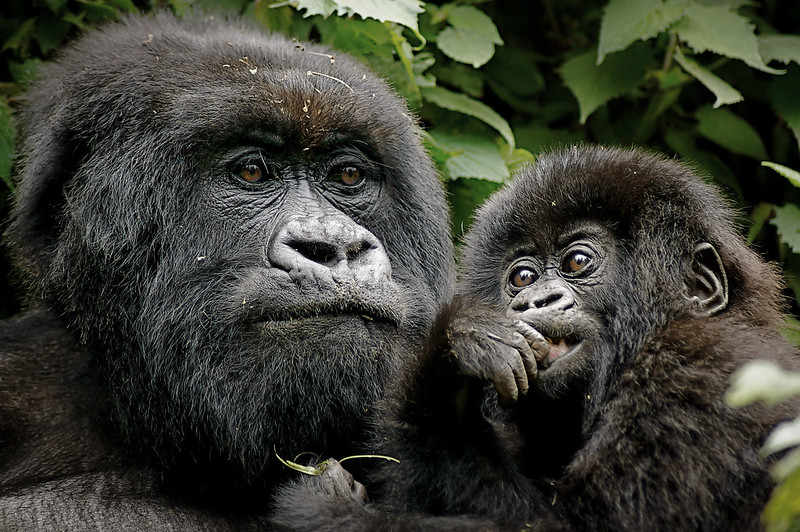
Why East Africa Stands Out in Safari Experiences
East Africa has built a global reputation as one of the most rewarding safari regions in the world. Travelers come here expecting wildlife, but they leave with a deeper connection to landscapes, cultures, and raw natural rhythm. Countries like Kenya, Tanzania, Uganda, and Rwanda offer a rare combination of savannah, mountains, lakes, and rainforests in one circuit. This diversity creates safari experiences that feel layered and dynamic rather than repetitive.
Unlike many safari destinations that focus mainly on game drives, East Africa blends wildlife viewing with cultural encounters, dramatic landscapes, and unique conservation stories. Companies such as Zamunda Travels help travelers experience this variety in a structured and meaningful way. They connect guests not only to national parks but also to local communities and hidden natural gems that define the region.
A Landscape Diversity That Changes Everything
One of the strongest reasons why East African safaris unique stands out is the dramatic variety of landscapes within short travel distances. In one journey, travelers can move from open savannahs to volcanic mountains and tropical rainforests. This creates a safari experience that feels constantly new and visually rich.
In Maasai Mara National Reserve and Serengeti National Park, vast grasslands host some of the largest wildlife migrations on earth. Meanwhile, in Uganda’s forested parks like Bwindi Impenetrable National Park, travelers shift from savannah viewing to gorilla trekking in dense jungle environments. This contrast is rare anywhere else in Africa.
The transitions between ecosystems also happen quickly. A single itinerary can include lakes, highlands, and crater landscapes within days. This diversity keeps travelers engaged and makes every game drive feel different from the last.
Wildlife Migration and Rare Species Encounters
Another reason East African safaris unique is globally recognized is the presence of extraordinary wildlife movements and rare species. The Great Migration in Kenya and Tanzania is one of the most powerful natural events on Earth. Millions of wildebeest and zebras move across plains in search of fresh grazing, followed closely by predators.
This movement is not just a spectacle. It shapes the entire ecosystem. Predators, birds, and scavengers all depend on it. This creates constant action for safari travelers, especially in key viewing areas like the Mara River crossings.
Beyond migration, East Africa also offers rare primate encounters. Uganda and Rwanda are world-famous for mountain gorilla trekking in places like Volcanoes National Park. These close encounters with endangered species are highly regulated and deeply emotional for many travelers.
Cultural Depth and Human Connection
The third layer that makes East African safaris unique is cultural immersion. Safaris in this region are not limited to wildlife viewing. They also include meaningful interaction with diverse communities that live alongside wildlife.
In Kenya and Tanzania, visitors often engage with Maasai communities, learning about traditional pastoral lifestyles and land stewardship. In Uganda and Rwanda, travelers experience vibrant local cultures shaped by agriculture, history, and resilience. These experiences add depth to the safari journey and help visitors understand how people and wildlife coexist.
This cultural connection is often facilitated by experienced operators like Zamunda Travels, who design itineraries that respect local traditions while offering authentic engagement. This balance ensures tourism benefits communities while preserving cultural identity.
Conservation and Responsible Tourism Leadership
East Africa has become a leader in conservation-driven tourism. Many parks operate strict protection systems that support endangered species and fragile ecosystems. This focus on conservation is another reason why East African safaris unique continues to attract responsible travelers.
Gorilla conservation in Rwanda and Uganda is a strong example. Permit systems limit visitor numbers, ensuring minimal disturbance to wildlife. Revenue from tourism directly supports conservation efforts and community development projects.
Similarly, wildlife protection in the Serengeti and Maasai Mara helps maintain one of the world’s most iconic ecosystems. Anti-poaching programs, community partnerships, and eco-tourism initiatives all work together to preserve biodiversity.
Seamless Multi-Country Safari Circuits
One major advantage of East Africa is the ability to combine multiple countries in one safari itinerary. Travelers can start in Kenya, continue into Tanzania, and finish in Uganda or Rwanda without losing continuity in experience.
This regional connectivity allows travelers to explore different ecosystems and wildlife patterns in a single journey. It also increases flexibility in planning, especially when working with travel experts like Zamunda Travels.
Few regions in Africa offer this level of smooth cross border safari integration while maintaining consistent wildlife quality and cultural richness.
Why East Africa Delivers a Complete Safari Experience
East Africa stands apart because it combines wildlife, landscapes, culture, and conservation into one powerful travel experience. From the savannahs of Kenya and Tanzania to the rainforests of Uganda and volcanic regions of Rwanda, every destination adds a new layer to the journey.
Unlike more single focus safari regions, East Africa offers variety at every stage. This is what makes East African safaris unique in a truly global sense. Travelers do not just observe nature here; they experience it deeply and continuously.
With well structured planning and guidance from operators like Zamunda Travels, visitors can explore this diversity in a smooth and meaningful way.