Best Luxury Safari Experiences in Uganda
May 17, 2026
Best Places for Nature Walks and Hiking in Uganda
May 17, 2026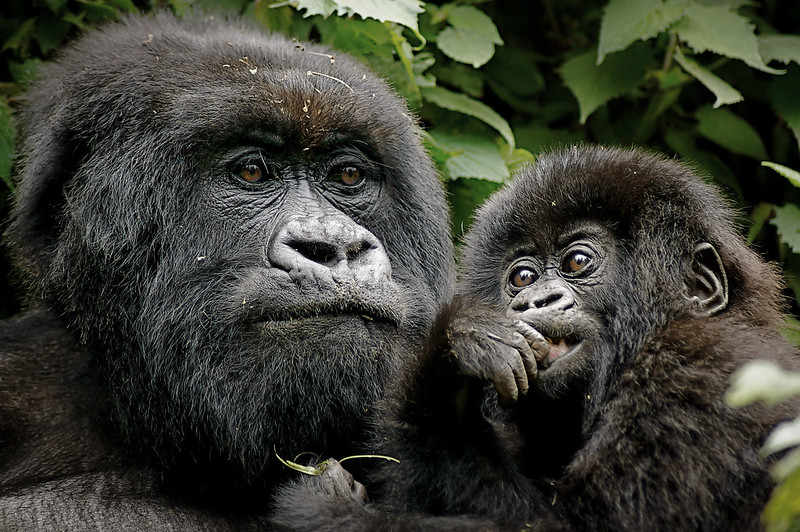
Uganda stands among Africa’s leading wildlife destinations because of its strong conservation efforts, rich biodiversity, and growing community involvement in protecting nature. From mountain gorilla conservation to rhino breeding programs, the country continues to invest in projects that protect endangered species and preserve fragile ecosystems. Travelers who explore Uganda through Zamunda Travels often discover that conservation plays a major role in every safari experience. These wildlife conservation projects in Uganda not only protect animals but also create jobs, support tourism, and improve local livelihoods. As a result, Uganda has become one of the best destinations for eco-tourism in Africa.
Gorilla Conservation in Bwindi Impenetrable National Park
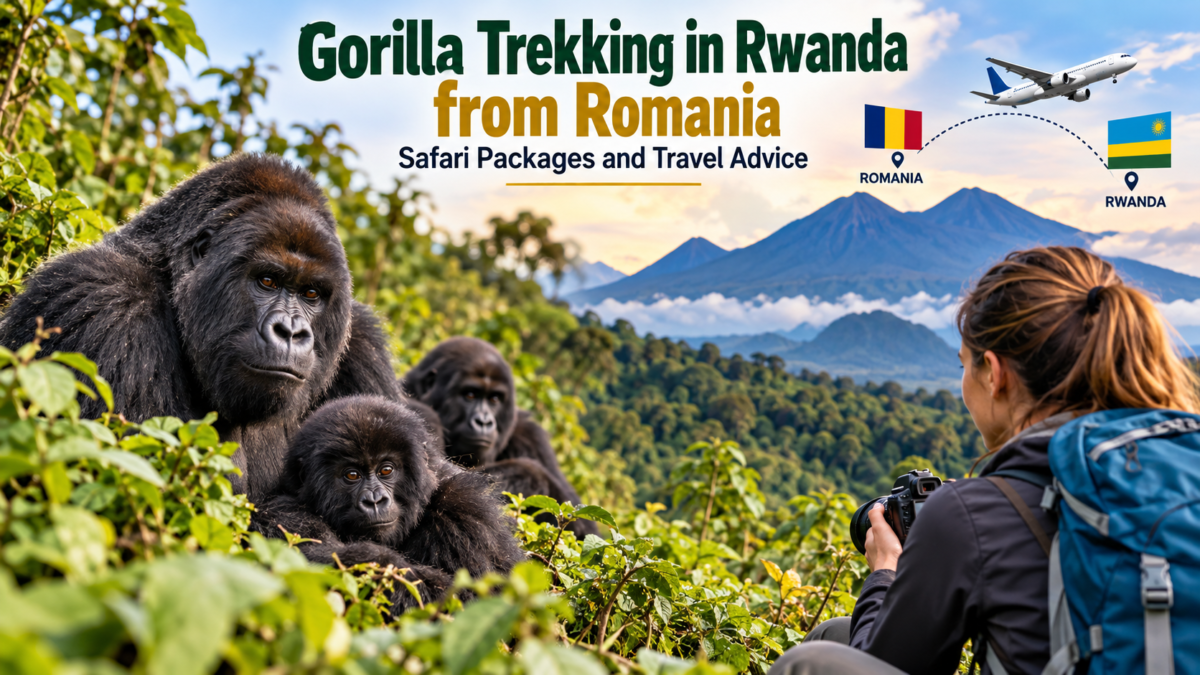
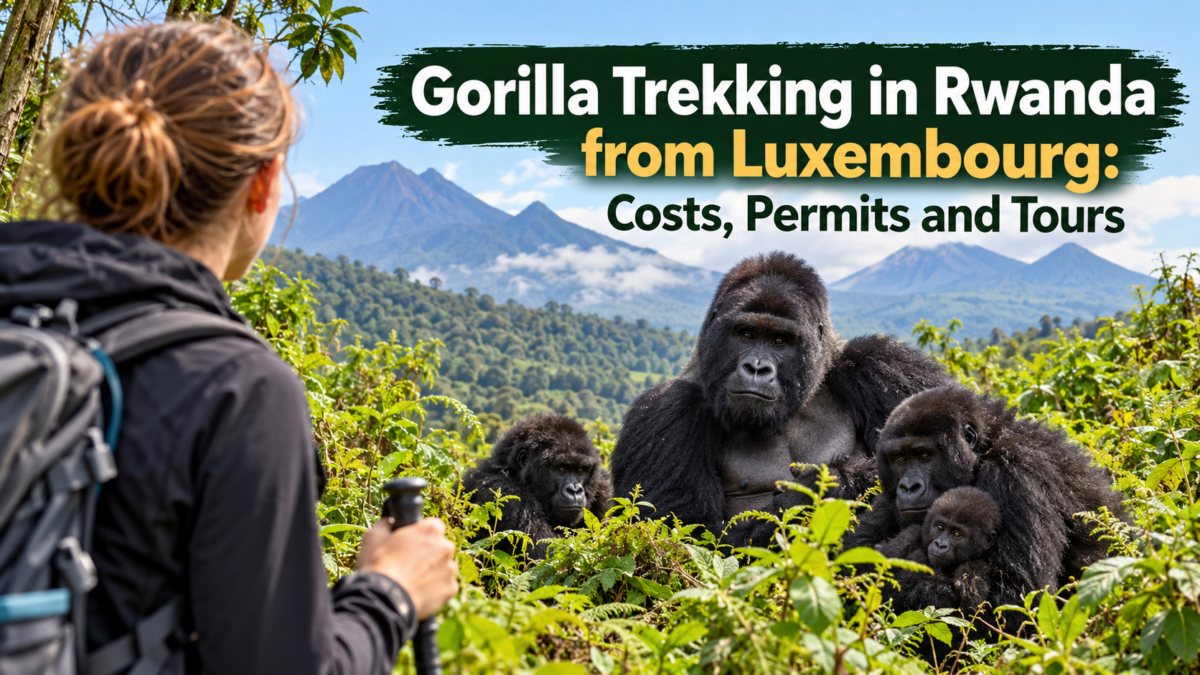
One of the most successful wildlife conservation projects in Uganda focuses on protecting mountain gorillas in Bwindi Impenetrable National Park. This UNESCO World Heritage Site shelters nearly half of the world’s remaining mountain gorillas. Over the years, conservation organizations, park authorities, and local communities have worked together to reduce poaching, protect forests, and promote sustainable tourism.
Mountain gorilla trekking has transformed conservation in Uganda because tourism revenue directly supports wildlife protection. In addition, communities living near the park benefit from employment opportunities, craft sales, cultural tourism, and infrastructure development. Rangers regularly patrol the forest to prevent illegal activities, while veterinarians monitor gorilla health to prevent disease outbreaks. Through these combined efforts, Uganda has recorded a steady increase in gorilla numbers.
Travelers who book gorilla safaris with Zamunda Travels contribute directly to wildlife conservation projects in Uganda because part of every gorilla permit supports park management and community programs. Consequently, tourism has become one of the strongest tools for protecting endangered mountain gorillas.
Community Support Around Gorilla Habitats
Communities surrounding Bwindi now play a central role in conservation. Local residents participate in eco-tourism projects, conservation education, and tree planting programs. Moreover, revenue-sharing schemes encourage communities to protect wildlife instead of depending on forest resources for survival.
Several women’s groups and youth organizations also operate cultural experiences for tourists. These activities create alternative income sources while reducing pressure on protected forests. As a result, conservation efforts continue to gain local support across the region.
Rhino Conservation at Ziwa Rhino Sanctuary
Another remarkable wildlife conservation project in Uganda takes place at Ziwa Rhino Sanctuary. Uganda once lost all its wild rhinos because of poaching and political instability. However, conservationists established the sanctuary to reintroduce southern white rhinos into the country.
Today, Ziwa Rhino Sanctuary protects a growing rhino population within a secure environment. Rangers monitor the rhinos day and night to prevent poaching, while veterinarians provide regular medical care. The sanctuary also runs breeding programs that aim to restore rhinos to Uganda’s national parks in the future.
Wildlife conservation projects in Uganda have greatly benefited from Ziwa because the sanctuary creates awareness about endangered species protection. Visitors can enjoy guided rhino tracking experiences while learning about conservation challenges in Africa. In addition, tourism revenue helps fund security operations and habitat management.
Education and Sustainable Conservation
Education remains an important part of the sanctuary’s mission. Schools and conservation groups regularly visit Ziwa to learn about rhino conservation and environmental protection. Furthermore, local communities benefit from employment opportunities, tourism services, and conservation partnerships.
Tour operators such as Zamunda Travels often include Ziwa Rhino Sanctuary in Uganda safari itineraries because the experience combines wildlife encounters with conservation education. Therefore, travelers gain a deeper understanding of Uganda’s conservation success stories.
Chimpanzee Conservation in Kibale Forest National Park
Kibale Forest National Park hosts one of Africa’s highest concentrations of primates. The park supports important wildlife conservation projects in Uganda that focus on chimpanzee protection and rainforest preservation. Conservation groups work closely with the Uganda Wildlife Authority to monitor chimpanzee populations and protect forest habitats from illegal activities.
Chimpanzee trekking has increased global awareness about primate conservation in Uganda. At the same time, eco-tourism has generated income for conservation programs and surrounding communities. Rangers patrol the forest regularly, while researchers study chimpanzee behavior and health to improve conservation strategies.
Wildlife conservation projects in Uganda continue to depend on scientific research in Kibale Forest because conservation decisions require accurate wildlife data. In addition, reforestation projects around the park help restore damaged ecosystems and protect biodiversity.
Research and Habitat Protection
Research stations in Kibale attract scientists from around the world. These experts study primates, birds, insects, and forest ecosystems. Their findings help conservation organizations improve wildlife protection methods across Uganda.
Local communities also participate in conservation through sustainable farming practices and eco-tourism initiatives. As a result, human wildlife conflicts have reduced in many areas surrounding the park.
Elephant Conservation in Queen Elizabeth National Park
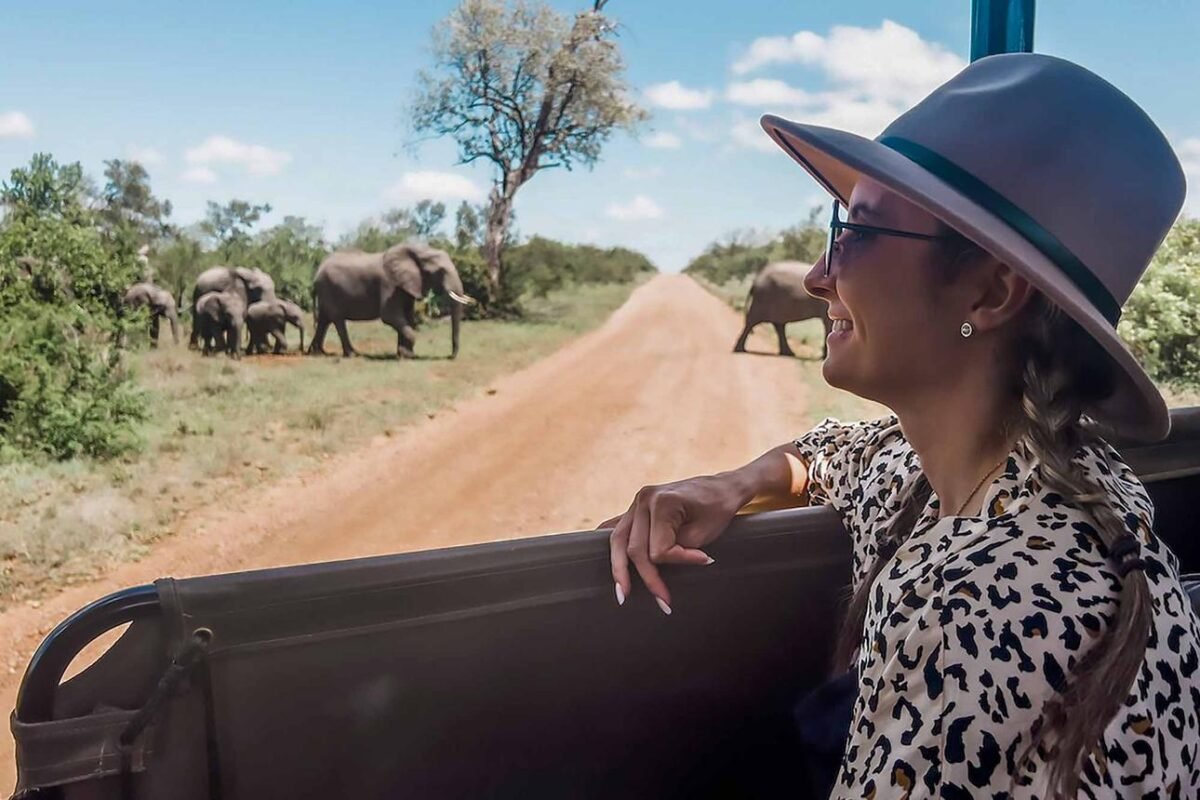
Queen Elizabeth National Park supports one of the largest elephant populations in Uganda. Conservation programs in the park focus on anti poaching patrols, habitat protection, and community awareness. Rangers work tirelessly to prevent illegal hunting while conservation organizations support elephant monitoring programs.
Wildlife conservation projects in Uganda increasingly rely on technology to protect elephants. GPS tracking systems now help researchers monitor elephant movements and identify high-risk areas. Consequently, conservation teams can respond quickly to threats such as poaching and habitat encroachment.
Tourism also contributes significantly to elephant conservation because park entrance fees support wildlife management activities. Visitors who explore the park with Zamunda Travels often enjoy game drives, boat safaris, and wildlife photography experiences that directly support conservation efforts.
Reducing Human Wildlife Conflict
Communities living near Queen Elizabeth National Park sometimes experience crop destruction caused by elephants. To address this challenge, conservation organizations promote beekeeping, fencing projects, and community education programs.
These initiatives help reduce conflicts while encouraging communities to support conservation goals. In return, tourism creates jobs and business opportunities that improve local livelihoods.
Shoebill Conservation in Mabamba Wetland
Bird conservation also plays a major role in wildlife conservation projects in Uganda. Mabamba Swamp has become famous for protecting the rare shoebill stork, one of Africa’s most sought-after bird species. Conservation groups and local guides work together to preserve wetland habitats and promote responsible tourism.
The shoebill attracts birdwatchers from around the world, which creates income for local communities. In addition, wetland conservation helps protect fish breeding grounds and improves environmental sustainability around Lake Victoria.
Wildlife conservation projects in Uganda continue to emphasize wetland protection because these ecosystems support birds, reptiles, fish, and plant species. Furthermore, eco-tourism has encouraged communities to value conservation more than destructive activities such as illegal fishing and wetland drainage.
Why Wildlife Conservation Matters in Uganda
Wildlife conservation supports Uganda’s tourism industry, protects endangered species, and improves community livelihoods. National parks and conservation areas generate employment opportunities for guides, rangers, lodge staff, and local artisans. In addition, conservation protects forests, wetlands, and ecosystems that support agriculture and climate stability.
Uganda’s conservation success stories continue to attract international attention because the country combines tourism with community involvement. Travelers who visit Uganda through Zamunda Travels help support wildlife conservation projects in Uganda while enjoying unforgettable safari experiences.
As Uganda strengthens its conservation programs, the future looks promising for mountain gorillas, rhinos, chimpanzees, elephants, and rare bird species. Sustainable tourism, community engagement, and strong wildlife protection policies will continue to shape Uganda’s reputation as one of Africa’s leading eco-tourism destinations.