Why Kigali Genocide Memorial Should Be on Your Visit List in Rwanda
May 19, 2026
Meaning of Kwibuka: Understanding Rwanda’s Journey of Remembrance
May 19, 2026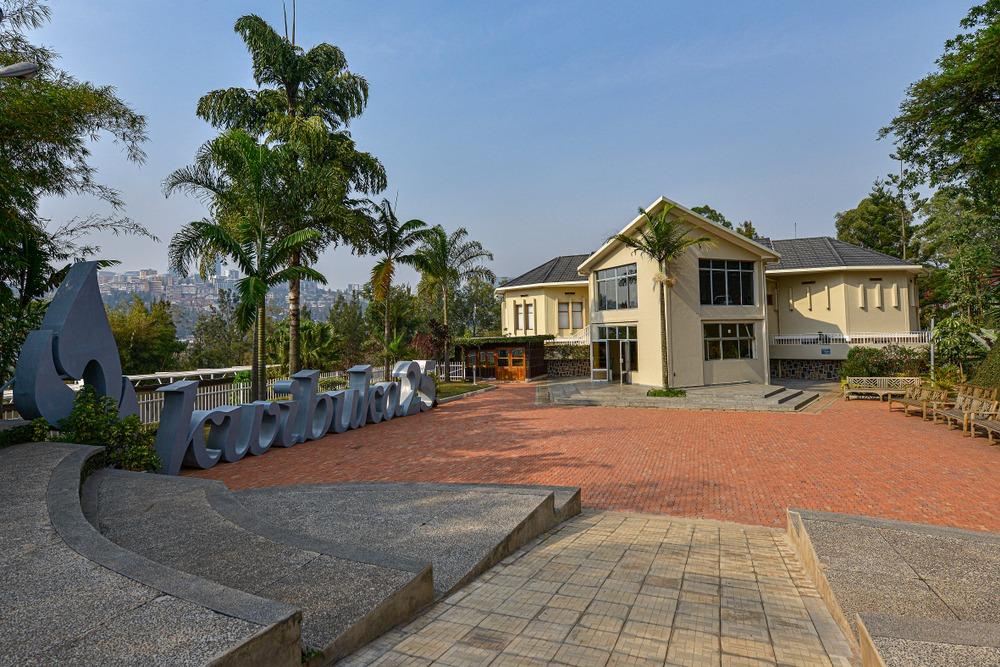
The 1994 genocide in Rwanda remains one of the darkest chapters in African history. In only 100 days, more than 800,000 people lost their lives during a brutal campaign that targeted mainly the Tutsi population and moderate Hutus. Today, many travelers who visit Rwanda through Zamunda Travels often seek to understand what brought the Kigali genocide in 1994 and how the country rebuilt itself into one of Africa’s safest and cleanest destinations. Learning about this tragic event helps visitors appreciate Rwanda’s resilience, unity, and remarkable transformation.
The genocide did not happen suddenly. Instead, years of ethnic division, political tension, colonial influence, economic struggles, and organized propaganda slowly created an environment of fear and hatred. Although Kigali became the center of many events during the genocide, the violence spread across the entire country. Today, memorial sites such as the Kigali Genocide Memorial educate visitors about the causes, consequences, and lessons of the tragedy. Through cultural and historical tours organized by Zamunda Travels, travelers gain a deeper understanding of Rwanda’s painful history and inspiring recovery journey.
Colonial Rule and the Roots of the Kigali Genocide in 1994
To understand what brought the Kigali genocide in 1994, it is important to examine Rwanda’s colonial history. Before colonial rule, Rwandans mainly identified themselves through clans, social status, and family connections rather than rigid ethnic groups. However, during German and later Belgian colonial rule, ethnic identities became more divided and politically sensitive. Colonial administrators favored the Tutsi minority because they believed Tutsis looked more “European” and appeared more suitable for leadership positions.
The Belgian administration introduced identity cards that officially classified people as Hutu, Tutsi, or Twa. As a result, social divisions became permanent and deeply rooted in society. Many Hutus began to feel excluded from political power, education, and economic opportunities. Over time, resentment grew between the two groups. This colonial system planted the seeds of mistrust that later contributed to the genocide.
After Rwanda gained independence in 1962, power shifted to Hutu political leaders. Consequently, many Tutsis fled the country due to violence and discrimination. Thousands settled in neighboring countries such as Uganda, Burundi, and Tanzania. Although Rwanda became independent, ethnic tensions remained strong because political leaders continued to use division as a tool for maintaining power. Visitors exploring Rwanda with Zamunda Travels often learn that colonial influence played a major role in shaping the conflict that later exploded in 1994.
Political Tension and the Kigali Genocide in 1994
Another major factor that explains what brought the Kigali genocide in 1994 was political instability. During the late 1980s and early 1990s, Rwanda faced serious political pressure. The government of President Juvénal Habyarimana struggled with economic decline, unemployment, and rising opposition movements. At the same time, many Tutsi refugees who lived outside Rwanda wanted to return home peacefully.
In 1990, the Rwandan Patriotic Front launched an invasion from Uganda to demand political reforms and the right for refugees to return. This conflict started a civil war that increased fear and mistrust throughout the country. Government officials and extremist groups began spreading propaganda that described Tutsis as enemies who threatened the nation.
Although peace negotiations later produced the Arusha Accords in 1993, extremist leaders opposed the agreement because they feared losing political power. Instead of promoting unity, radical politicians prepared for violence by training militias, distributing weapons, and spreading hate messages through newspapers and radio stations. These actions created a dangerous atmosphere that pushed Rwanda closer to mass violence.
Today, travelers visiting Rwanda with Zamunda Travels often discover how political manipulation and fear contributed heavily to the tragedy. Learning this history helps visitors understand why Rwanda now places strong emphasis on national unity and reconciliation.
Hate Propaganda and the Kigali Genocide in 1994
One of the strongest forces behind the Kigali genocide in 1994 was hate propaganda. Extremist leaders used media platforms to spread fear, anger, and division among ordinary citizens. Radio stations such as Radio Télévision Libre des Mille Collines repeatedly broadcast hateful messages that encouraged violence against Tutsis and moderate Hutus.
These broadcasts described Tutsis as dangerous enemies and often used dehumanizing language. As a result, many listeners became influenced by fear and misinformation. Extremist leaders also distributed lists of targeted individuals and encouraged communities to participate in attacks. Because radio was widely accessible across Rwanda, propaganda spread quickly and reached thousands of people every day.
In addition, political leaders organized militia groups such as the Interahamwe. These militias received weapons and military training before the genocide officially started. They later became key perpetrators during the killings. The combination of propaganda, fear, and organized violence created a situation where neighbors turned against neighbors.
Today, memorial museums across Rwanda explain how dangerous hate speech can become when leaders manipulate public emotions. Visitors traveling with Zamunda Travels often leave these memorial sites with powerful lessons about peacebuilding, tolerance, and responsible leadership.
The Assassination That Triggered the Kigali Genocide in 1994
Although tensions already existed, one major event triggered the immediate start of the killings. On April 6, 1994, the plane carrying President Juvénal Habyarimana was shot down near Kigali. The crash killed the president along with the President of Burundi, Cyprien Ntaryamira.
Soon after the assassination, extremist leaders blamed the Rwandan Patriotic Front and immediately launched coordinated attacks across Kigali and other regions. Roadblocks appeared throughout the city, and armed militias began targeting Tutsis and moderate Hutus. Government soldiers, militia groups, and ordinary civilians participated in the violence.
The killings spread rapidly because extremist leaders had already prepared weapons, death lists, and militia networks before the president’s plane crash. Therefore, many historians believe the genocide was carefully planned rather than being a spontaneous reaction. Over the next 100 days, Rwanda experienced unimaginable suffering as families, communities, and entire villages were destroyed.
Visitors who tour Kigali today with Zamunda Travels often visit important historical sites connected to these events. These experiences help travelers understand both the pain of Rwanda’s past and the strength of its recovery.
International Response During the Kigali Genocide in 1994
The international community also faced criticism for failing to stop the genocide quickly. Despite clear warnings of violence, many foreign governments and international organizations reacted slowly. The United Nations had peacekeepers in Rwanda, but they lacked enough resources and authority to prevent the killings.
Several countries evacuated foreign citizens while many Rwandans remained trapped in dangerous conditions. Meanwhile, violence continued to spread across the country. The delayed international response allowed the genocide to continue for months before the Rwandan Patriotic Front eventually captured Kigali and stopped the killings in July 1994.
Today, Rwanda’s memorial sites educate visitors about the importance of international responsibility and early conflict prevention. Through educational tours with Zamunda Travels, travelers gain meaningful insights into how the world can prevent similar tragedies in the future.
Rwanda’s Recovery After the Kigali Genocide in 1994
Although Rwanda experienced devastating destruction, the country has achieved remarkable recovery over the last three decades. After the genocide ended, the government focused on rebuilding institutions, promoting justice, and encouraging reconciliation among citizens. Community courts known as Gacaca helped address genocide-related crimes while also supporting healing within communities.
Today, Rwanda stands as one of Africa’s fastest-growing tourism destinations. Kigali has become known for its cleanliness, safety, and modern development. Travelers can now visit historical memorials, national parks, mountain gorillas, cultural villages, and vibrant local markets. Many tourists who travel with Zamunda Travels combine historical tours in Kigali with wildlife experiences in Volcanoes National Park and Akagera National Park.
The story of Rwanda is no longer only about tragedy. It is also about resilience, unity, forgiveness, and hope. Visitors who learn what brought the Kigali genocide in 1994 often leave Rwanda with deep respect for the country’s transformation and the strength of its people.
Conclusion
Understanding what brought the Kigali genocide in 1994 requires examining several interconnected factors. Colonial policies created ethnic divisions that fueled resentment for decades. Political instability, civil war, propaganda, and extremist leadership further increased hatred and fear. Finally, the assassination of President Habyarimana triggered organized killings that devastated Rwanda for 100 days.
Today, Rwanda continues to honor the victims while building a future based on unity and reconciliation. Historical sites such as the Kigali Genocide Memorial help educate visitors about the dangers of division and hatred. Through educational journeys with Zamunda Travels, travelers can explore Rwanda’s history respectfully while also experiencing the country’s incredible beauty, culture, and recovery.