Ziwa Rhino Sanctuary: Uganda’s Breeding Ground for Rhinos and a Conservation Success Story
April 11, 2026
How Affordable Is Uganda Gorilla Trekking Compared to Rwanda?
April 12, 2026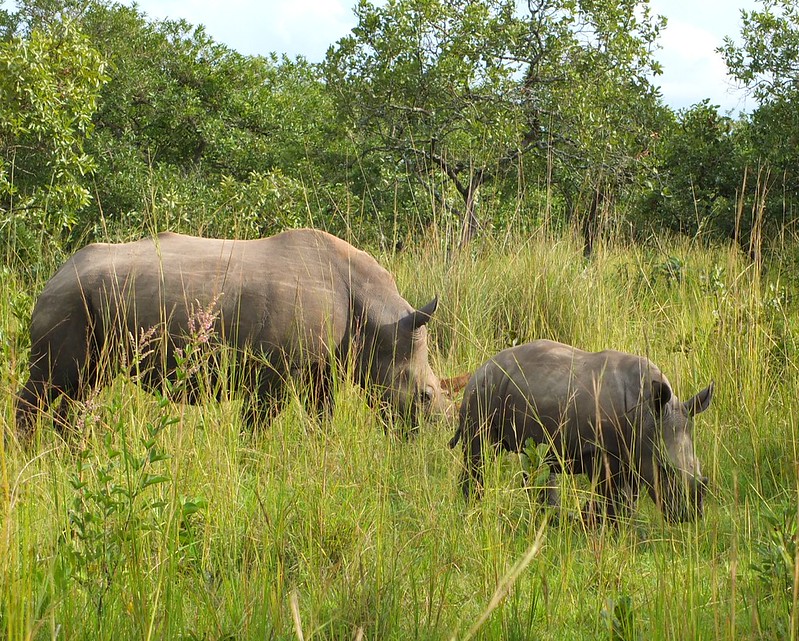
Uganda’s conservation story continues to evolve with renewed ambition and careful planning. One of the most anticipated milestones is the rhino reintroduction in Kidepo Valley National Park, a bold step that seeks to restore a species that once roamed the country’s wild landscapes. For decades, Uganda lost its rhinos due to poaching and civil unrest, leaving a painful gap in its biodiversity. However, through the success of Rhino Fund Uganda and the steady growth of rhino populations at Ziwa Rhino Sanctuary, the dream of returning rhinos to the wild is closer than ever. Zamunda Travels proudly follows this conservation journey, offering travelers meaningful insights into Uganda’s wildlife restoration efforts.
The History Behind Rhino Reintroduction in Kidepo Valley National Park
The story of the rhino reintroduction in Kidepo Valley National Park begins with loss and resilience. Uganda’s native rhino species, especially the Northern White Rhinoceros and the Eastern Black Rhinoceros, once thrived across the savannahs. However, by the early 1980s, uncontrolled poaching drove them to extinction within the country. This loss disrupted ecosystems and erased a key attraction for tourism.
Efforts to reverse this damage began in 2005 with the establishment of Ziwa Rhino Sanctuary, Uganda’s only place where rhinos live in the wild today. Since then, the sanctuary has successfully bred southern white rhinos under close protection. These achievements now form the foundation for the rhino reintroduction in Kidepo Valley National Park, a move designed to restore ecological balance and revive Uganda’s Big Five status.
Why Rhino Reintroduction in Kidepo Valley National Park Matters
The rhino reintroduction in Kidepo Valley National Park carries ecological, economic, and cultural importance. Rhinos play a vital role in shaping vegetation and maintaining healthy savannah ecosystems. Their grazing patterns create habitats for other species, which supports biodiversity.
Kidepo Valley National Park offers an ideal habitat for rhinos. The park features vast savannah plains, seasonal rivers, and low human disturbance. Its remote location in northeastern Uganda makes it one of Africa’s most pristine wilderness areas. By reintroducing rhinos here, conservationists aim to rebuild a complete ecosystem while creating new tourism opportunities.
For travelers booking with Zamunda Travels, this initiative promises a richer safari experience. Visitors will soon have the chance to witness all members of the Big Five in one destination, enhancing Uganda’s global appeal as a wildlife destination.
Preparation for Rhino Reintroduction in Kidepo Valley National Park
Before the rhino reintroduction in Kidepo Valley National Park becomes a reality, extensive preparations must take place. Conservation experts and Uganda Wildlife Authority are working together to ensure the safety of both rhinos and local communities.
These preparations include habitat assessment, anti-poaching infrastructure, ranger training, and community engagement programs. Fencing strategies and monitoring systems will help protect the rhinos during their early stages of adaptation. In addition, veterinary teams will carefully select healthy individuals from Ziwa Rhino Sanctuary to ensure successful relocation.
Zamunda Travels encourages responsible tourism that supports such conservation efforts. By choosing ethical travel experiences, visitors contribute directly to the protection of Uganda’s wildlife.
Challenges Facing Rhino Reintroduction in Kidepo Valley National Park
While the rhino reintroduction in Kidepo Valley National Park offers hope, it also faces several challenges. Poaching remains a major threat across Africa, driven by illegal demand for rhino horns. Conservation agencies must maintain constant vigilance to prevent history from repeating itself.
Another challenge involves community integration. Local communities must benefit from conservation efforts to ensure long-term success. Education and revenue-sharing programs play a crucial role in building trust and support.
Climate variability also affects habitat conditions, which may influence food availability and water resources. Despite these obstacles, Uganda’s strong conservation partnerships and experience from Ziwa Rhino Sanctuary provide a solid foundation for success.
The Future of Rhino Reintroduction in Kidepo Valley National Park
The future of the rhino reintroduction in Kidepo Valley National Park looks promising. With growing rhino populations at Ziwa Rhino Sanctuary, Uganda is steadily building the numbers needed for relocation. Experts envision a phased approach, where small groups of rhinos are introduced and monitored over time.
This initiative will transform Kidepo Valley National Park into a complete Big Five destination. It will also strengthen Uganda’s reputation in global conservation circles. Zamunda Travels stands ready to guide travelers on this exciting journey, offering curated safaris that highlight conservation success stories.
A New Chapter for Uganda’s Wildlife
The rhino reintroduction in Kidepo Valley National Park marks a new chapter in Uganda’s conservation journey. It reflects years of dedication, strategic planning, and community involvement. Moving rhinos from Ziwa Rhino Sanctuary to the wild plains of Kidepo Valley National Park symbolizes hope, resilience, and progress.
For travelers, conservationists, and wildlife lovers, this initiative offers a chance to witness history in the making. Zamunda Travels invites you to be part of this journey, where tourism meets conservation and every safari contributes to a greater purpose.