Boat Safaris: Wildlife from a Different Perspective
April 12, 2026
Bird Watching in Uganda: A Twitcher’s Paradise
April 12, 2026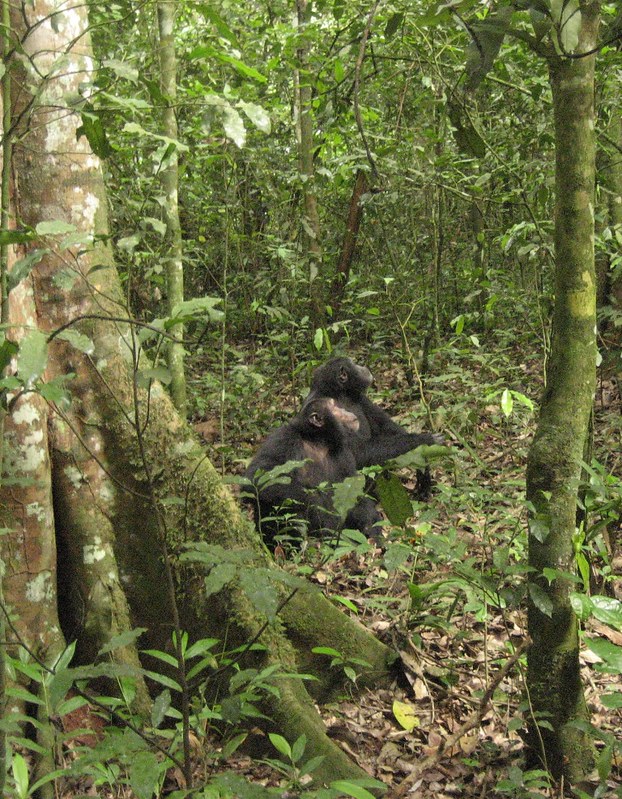
Chimpanzee Territory Fights in Kibale Forest
Deep within the lush canopy of Kibale Forest National Park, a dramatic and often unseen struggle unfolds daily. Chimpanzee territory fights in Kibale Forest reveal a complex and intense side of primate life that many travelers never witness. While most visitors come for peaceful trekking experiences, the reality is far more dynamic. These intelligent primates live in structured communities, and they fiercely defend their territories against rival groups. As a result, every encounter in the forest carries the possibility of tension, strategy, and even conflict.
Zamunda Travels offers guided chimpanzee trekking experiences that not only bring you close to these fascinating animals but also help you understand their social behaviors. Therefore, exploring Kibale with expert guides adds depth to every sighting.
Understanding Chimpanzee Territory Fights in Kibale Forest
Chimpanzee territory fights in Kibale Forest stem from the need to control vital resources such as food, mates, and safe nesting areas. These primates form communities that can range from 20 to over 100 individuals. Each group maintains a defined territory, and they patrol its borders regularly. During these patrols, males move silently and cautiously, scanning for signs of rival groups.
When they detect intruders, the atmosphere changes quickly. Males often coordinate attacks, showing a high level of cooperation and intelligence. Unlike random aggression, these fights follow a strategic pattern. Stronger groups attempt to expand their territory, while weaker ones retreat to avoid losses. Consequently, territory fights shape the population structure within the forest.
Zamunda Travels ensures that visitors understand these behaviors before entering the जंगल, which enhances both safety and appreciation of the experience.
Behavioral Patterns During Chimpanzee Territory Fights in Kibale Forest
Chimpanzee territory fights in Kibale Forest involve a mix of vocalizations, displays, and physical confrontation. Initially, chimpanzees use loud pant-hoots and drumming on tree trunks to signal their presence. These sounds can travel long distances and often serve as warnings.
However, when groups come into close contact, the situation can escalate. Dominant males lead the charge, while others support through coordinated movements. In some cases, fights result in serious injuries or even fatalities. Although such outcomes may seem harsh, they play a crucial role in natural selection.
Interestingly, chimpanzees also show restraint. If one group senses it is outnumbered, it may withdraw quickly. This behavior reduces unnecessary risk and ensures survival. Therefore, each encounter reflects both aggression and calculated decision-making.
Where to Witness Chimpanzee Territory Fights in Kibale Forest
Visitors hoping to observe chimpanzee territory fights in Kibale Forest should focus on areas known for high chimpanzee activity. Regions such as Kanyanchu Visitor Centre serve as the main starting point for trekking. From here, experienced guides lead visitors into territories frequently used by habituated chimpanzee groups.
Although witnessing an actual fight is rare, you may observe early signs such as increased vocal activity or tense group movements. Early morning treks offer the best chance to experience these behaviors, as chimpanzees are most active during this time.
Zamunda Travels carefully plans each trek to maximize wildlife encounters while maintaining ethical viewing practices. This ensures that both visitors and chimpanzees remain safe.
The Role of Chimpanzee Territory Fights in Kibale Forest Ecology
Chimpanzee territory fights in Kibale Forest play a vital role in maintaining ecological balance. By controlling population density and territory boundaries, these conflicts prevent overuse of resources. As chimpanzees move and expand their territories, they also contribute to seed dispersal, which supports forest regeneration.
Moreover, these interactions influence the behavior of other species within the ecosystem. For example, smaller primates often avoid areas with high chimpanzee activity. This creates a dynamic and ever-changing environment within the forest.
Understanding these ecological roles adds a deeper layer to any safari experience. Zamunda Travels emphasizes conservation education, helping visitors appreciate the broader impact of chimpanzee behavior.
Tips for Observing Chimpanzee Territory Fights in Kibale Forest
If you plan to explore chimpanzee territory fights in Kibale Forest, preparation is key. First, always follow your guide’s instructions. Chimpanzees are wild animals, and their behavior can change quickly. Wearing neutral-colored clothing helps you blend into the environment and reduces disturbance.
Additionally, maintain a safe distance at all times. Avoid making loud noises or sudden movements, as these can trigger stress among the chimpanzees. Carrying binoculars enhances your ability to observe subtle interactions without getting too close.
Zamunda Travels provides expert guidance and well-organized itineraries, ensuring a safe and enriching experience for every traveler.
The Untamed Reality of Chimpanzee Territory Fights in Kibale Forest
Chimpanzee territory fights in Kibale Forest offer a rare glimpse into the raw and unfiltered dynamics of wildlife. These encounters highlight the intelligence, strategy, and social complexity of our closest relatives. While they may not always be visible, their presence shapes the very fabric of life within the forest.
By choosing Zamunda Travels, you gain more than just a safari. You gain insight into the hidden stories of the forest and a deeper connection to nature. Ultimately, a visit to Kibale Forest is not just about seeing chimpanzeesit is about understanding their world.