Bird Watching in Uganda: A Twitcher’s Paradise
April 12, 2026
Lemala Wild Waters with Rafting vs Mahogany Springs Hotel with Gorilla Tracking: The Ultimate Uganda Safari Showdown
April 12, 2026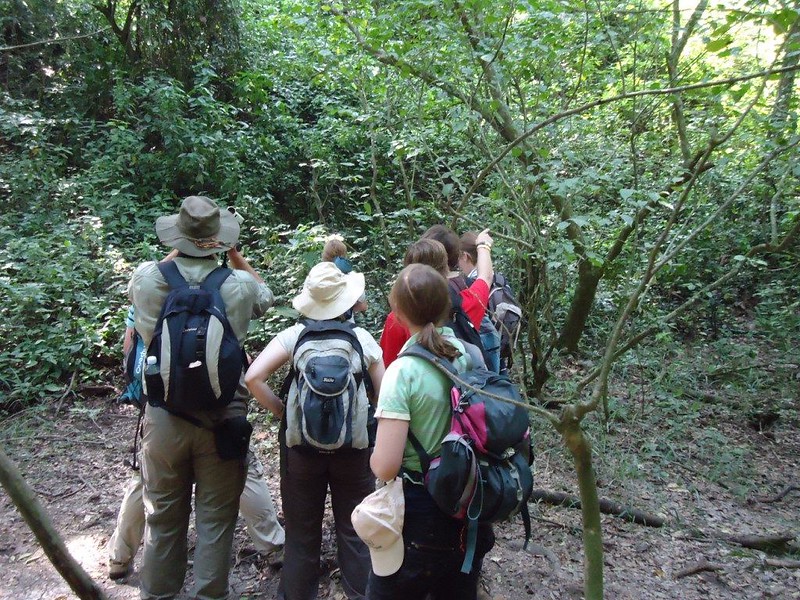
Planning a safari across East Africa is one of the most rewarding travel experiences in the world. From the sweeping savannahs of Kenya and Tanzania to the lush rainforests of Uganda and Rwanda, the region offers unmatched biodiversity and adventure. However, before you pack your bags, you must prepare your health. Understanding what vaccinations you need for an East African safari in 2026–2027 ensures a safe and stress-free journey. At Zamunda Travels, we guide travelers through every step, including health preparation, so you can focus on enjoying your safari.
Why You Need Vaccinations for an East African Safari in 2026–2027
Traveling to East Africa exposes you to environments that differ from your home country. While the region has made significant progress in healthcare, certain infectious diseases remain present. Therefore, knowing what vaccinations you need for an East African safari in 2026–2027 protects both you and the communities you visit. Health authorities such as the World Health Organization and Centers for Disease Control and Prevention recommend specific vaccines based on risk levels, travel routes, and activities. Zamunda Travels always advises clients to consult a travel clinic at least 6–8 weeks before departure to allow enough time for immunization schedules.
Mandatory Vaccinations for an East African Safari in 2026–2027
When considering what vaccinations you need for an East African safari in 2026–2027, one stands out as essential and sometimes legally required.
Yellow Fever Vaccination
The Yellow Fever vaccine is mandatory for entry into several East African countries, especially if you travel between them. Countries such as Uganda and Kenya often require proof of vaccination upon arrival. You will receive an International Certificate of Vaccination, which you must carry with your passport. This vaccine provides long-lasting protection and is usually given as a single dose.
Recommended Vaccinations for an East African Safari in 2026–2027
Beyond mandatory requirements, several vaccines are strongly recommended. These vaccinations reduce your risk of common travel-related illnesses.
Hepatitis A and B Vaccines
Hepatitis A spreads through contaminated food and water. Meanwhile, Hepatitis B spreads through bodily fluids. Since safaris often involve remote areas, these vaccines offer important protection. Zamunda Travels encourages all travelers to include them in their preparation checklist.
Typhoid Vaccination
Typhoid Fever remains a risk in areas with limited sanitation. Even when you stay in high-end lodges, exposure can occur during travel or local excursions. Vaccination reduces the chance of infection and provides peace of mind.
Tetanus and Routine Vaccines
Ensure your routine vaccinations are up to date. These include protection against Tetanus, measles, and polio. Travelers often overlook these basics, yet they remain essential for global travel.
Optional Vaccinations for an East African Safari in 2026–2027
Some vaccines depend on your travel style, duration, and activities. Discuss these options with a healthcare provider.
Rabies Vaccination
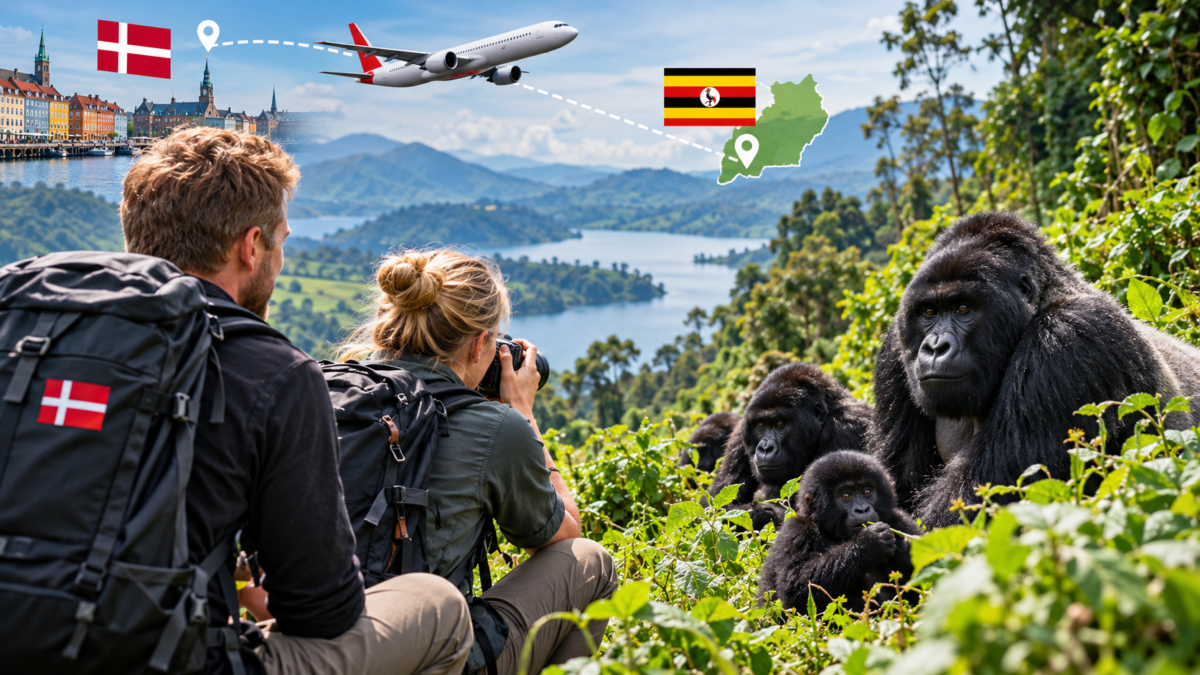
Rabies exists in many parts of East Africa. If your safari includes walking tours, gorilla trekking, or extended stays in rural areas, consider this vaccine. Although the risk is low for most tourists, pre-exposure vaccination simplifies treatment if exposure occurs.
Cholera Vaccination
Cholera vaccination may be recommended for travelers visiting high-risk regions or engaging in humanitarian work. Most safari travelers face minimal risk, but it remains an option.
Malaria Prevention: A Critical Part of Your Safari Health Plan
Although not a vaccine, malaria prevention is vital when discussing what vaccinations you need for an East African safari in 2026–2027. Malaria is present in many safari destinations. Doctors often prescribe antimalarial medication, which you must take before, during, and after your trip. In addition, use insect repellent, wear long sleeves in the evening, and sleep under mosquito nets. Zamunda Travels ensures that all partner lodges follow strict mosquito control measures to enhance your safety.
When to Get Vaccinated Before Your Safari
Timing plays a key role in effective protection. Plan your vaccinations at least 6–8 weeks before departure. Some vaccines require multiple doses, while others need time to become effective. If you book your safari with Zamunda Travels, our team will remind you of these timelines and help you stay on track.
Travel Health Tips Beyond Vaccinations
While vaccinations form the foundation of your health plan, you should also adopt safe travel habits. Drink bottled or purified water, avoid raw foods, and maintain good hygiene. Carry a basic medical kit that includes pain relievers, antihistamines, and rehydration salts. Furthermore, secure travel insurance that covers medical emergencies. These steps complement your vaccinations and ensure a smooth safari experience.
Final Thoughts on What Vaccinations You Need for an East African Safari in 2026–2027
Understanding what vaccinations you need for an East African safari in 2026–2027 allows you to travel with confidence. From mandatory vaccines like yellow fever to recommended options such as hepatitis and typhoid, each plays a role in protecting your health. With proper preparation and guidance from Zamunda Travels, you can focus on the beauty of East Africa without unnecessary worry. A well-prepared traveler enjoys every moment, from wildlife encounters to cultural experiences.