From Unity to Conflict: The Rise and Fall of the Ngogo Chimpanzee Community in Kibale National Park
April 13, 2026
Rwanda Safari Experience: Gorillas, Chimps, and the Big Five
April 13, 2026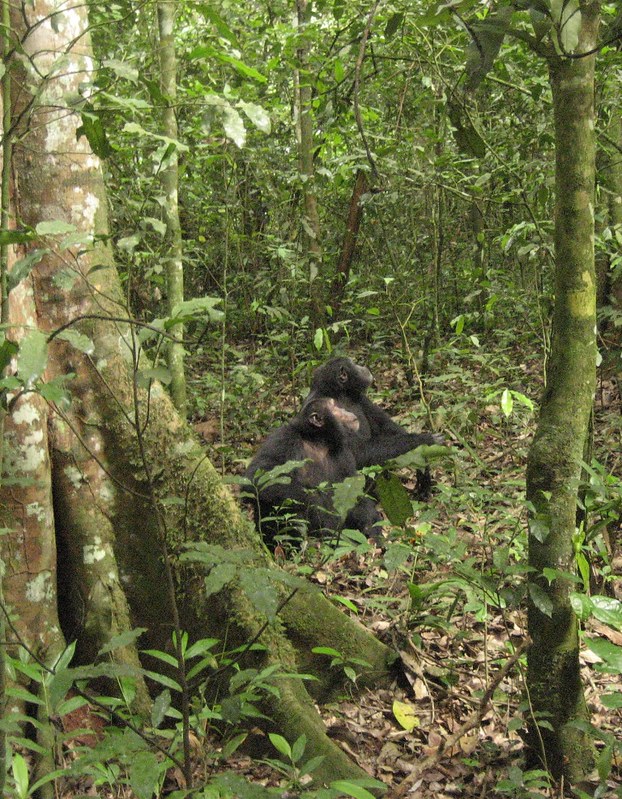
Understanding Conflict Among Our Closest Relatives
Deep within the lush canopies of Kibale National Park and Budongo Forest, chimpanzees live in complex social groups shaped by cooperation and conflict. While these primates share up to 98% of their DNA with humans, they also display strikingly intense aggression. Visitors who explore Uganda’s forests with Zamunda Travels often witness the peaceful side of chimpanzee life. However, beneath this calm surface lies a dynamic social system where fights can erupt suddenly. Understanding what causes chimpanzee fights helps travelers and wildlife enthusiasts appreciate both the beauty and the raw reality of life in the wild.
What Causes Chimpanzee Fights in Uganda’s Forests?
Chimpanzee fights do not happen randomly. Instead, they arise from clear social, environmental, and survival-driven factors. In Uganda’s dense forests, these conflicts often reflect the struggle for dominance, territory, and reproductive success.
Dominance and Power Struggles
One of the leading causes of chimpanzee fights is competition for dominance within the group. Male chimpanzees live in strict hierarchies, led by an alpha male who controls access to food, mates, and social influence. When younger or stronger males challenge this authority, intense fights can break out. These encounters often involve loud vocalizations, charging displays, and physical aggression.
In forests like Kibale Forest, researchers have documented long-standing rivalries where alliances shift over time. As a result, power struggles remain a constant trigger of conflict.
Territorial Disputes Between Communities
Another major factor explaining what causes chimpanzee fights is territorial defense. Chimpanzees form communities that occupy defined ranges. They patrol their borders regularly and react aggressively to intruders.
When two neighboring groups meet, the encounter can quickly escalate into violence. Males often coordinate attacks, targeting isolated individuals from rival groups. These territorial conflicts can even lead to fatalities.
In places like Budongo Forest Reserve, such encounters have shaped chimpanzee population structures over decades. For visitors with Zamunda Travels, understanding this behavior adds depth to every trekking experience.
Competition for Food Resources
Food scarcity also plays a critical role in what causes chimpanzee fights. Although Uganda’s forests are rich in fruiting trees, seasonal changes can reduce food availability. During these periods, competition intensifies.
Chimpanzees may fight over access to high-value food sources such as fig trees. Dominant individuals often try to monopolize these resources, which leads to aggression toward lower-ranking members.
Even within peaceful feeding groups, tension can rise quickly when food becomes limited. Therefore, resource competition remains a key driver of conflict.
Mating Rights and Reproductive Competition
Reproductive opportunities strongly influence chimpanzee behavior. Female chimpanzees enter estrus for limited periods, attracting attention from multiple males. This situation often leads to aggressive competition.
Males may fight to secure mating rights, especially when a high-ranking female becomes receptive. These conflicts can involve both physical confrontation and strategic alliances.
Understanding this aspect of what causes chimpanzee fights helps explain why aggression often increases during certain times. Zamunda Travels guides frequently educate visitors about these patterns during chimpanzee trekking experiences.
Social Tensions and Alliances
Chimpanzee societies rely heavily on alliances. Friendships and rivalries shape daily interactions. When alliances shift, tension rises.
For example, if a chimpanzee loses support from key allies, it may become vulnerable to attacks. Similarly, coalitions of males may unite to overthrow a dominant leader. These social dynamics often lead to sudden and intense fights.
In Kibale National Park, long-term studies have shown that social instability often precedes periods of increased aggression.
Protection of Infants and Family Units
Female chimpanzees also engage in defensive aggression. Mothers protect their infants fiercely from threats, including other chimpanzees.
In rare cases, males may attack infants to bring females back into estrus. This behavior, though harsh, forms part of the reproductive strategy in chimpanzee societies. As a result, mothers respond aggressively, which can lead to violent encounters.
This protective instinct adds another layer to understanding what causes chimpanzee fights in Uganda’s जंगल (forest ecosystems).
The Role of Environment in Chimpanzee Conflict
Uganda’s tropical forests provide both abundance and challenge. Seasonal changes, habitat pressure, and human activity can influence chimpanzee behavior.
When habitats shrink or food becomes scarce, competition increases. This situation often leads to more frequent and intense fights. Conservation efforts in areas like Budongo Forest aim to reduce these pressures and maintain stable chimpanzee populations.
Traveling with Zamunda Travels allows visitors to witness these ecosystems responsibly while supporting conservation initiatives.
What Tourists Should Know During Chimpanzee Encounters
While chimpanzee fights can sound alarming, they are a natural part of their social system. Most trekking experiences remain safe and controlled under expert guidance.
Zamunda Travels ensures that visitors follow strict guidelines, such as maintaining distance and avoiding sudden movements. Guides interpret chimpanzee behavior, helping tourists understand when tension is rising and how to respond calmly.
By learning what causes chimpanzee fights, visitors gain a deeper appreciation for these intelligent primates and their complex societies.
A Window Into Wild Intelligence
Chimpanzee fights reveal the complexity of life in Uganda’s forests. From dominance struggles to territorial defense, each conflict tells a story of survival and adaptation.
Exploring these forests with Zamunda Travels offers more than just wildlife viewing. It provides insight into one of nature’s most fascinating social systems. By understanding what causes chimpanzee fights, travelers connect more deeply with the wild and leave with a richer perspective on both chimpanzees and ourselves.