Safari Activities in Volcanoes National Park
April 28, 2026
Best Cultural Tours in Uganda: Authentic Experiences with Zamunda Travels
April 28, 2026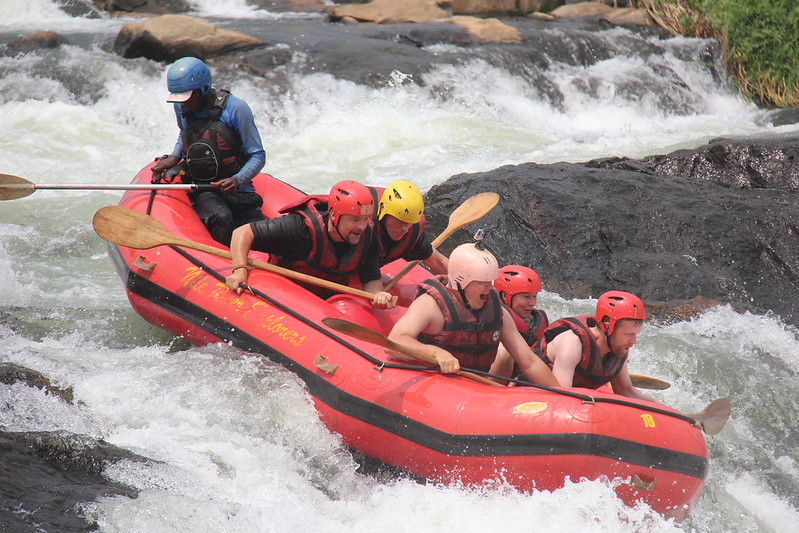
White water rafting on the River Nile in Uganda is one of those experiences that stays with you long after the splash has dried off. The activity is centered in Jinja, where the Nile leaves Lake Victoria and begins its long journey north. This stretch is known for its powerful Grade 3 to Grade 5 rapids, mixed with calmer sections that give rafters moments to breathe, laugh, and take in the lush river scenery. Choosing the right season matters a lot because water levels, weather conditions, and even crowd sizes can change the whole experience. Companies like Zamunda Travels have guided many visitors through these waters, and they often emphasize that timing is not just about convenience, but about shaping the quality of your adventure.
Understanding Uganda’s seasons
Uganda generally experiences two main dry seasons, which are usually considered the most reliable periods for rafting on the Nile. These run from December to February and June to September. During these months, rainfall is lower, the river conditions are more predictable, and the weather tends to be warm but not overly disruptive. This makes it easier for operators like Zamunda Travels to run consistent rafting trips without interruptions caused by heavy rain or sudden changes in water flow.
In the dry season, the roads leading to Jinja are also more accessible, which is helpful if you are combining rafting with other activities like sightseeing or visiting nearby attractions such as the Source of the Nile. The skies are often clearer, giving you better views of the surrounding green landscapes. However, even in the dry months, the Nile remains powerful, so expect a proper adrenaline rush rather than a gentle float.
Weather patterns and how they affect rafting conditions
Uganda’s equatorial climate means rain can still appear unexpectedly, even in drier months. These short rains usually do not stop rafting but may slightly increase water levels and intensity of the rapids. In contrast, during the wetter seasons of March to May and October to November, the river can become fuller and slightly more forceful in certain sections. Some rafters enjoy this extra power, while others prefer the more controlled conditions of the dry season.
Zamunda Travels often advises first-time rafters to avoid peak rainy months unless they are comfortable with stronger currents and less predictable weather. On the positive side, the rainy season brings fewer tourists, which means quieter river experiences and sometimes more flexible booking options. The surrounding vegetation also becomes greener and more vibrant, offering a very scenic backdrop.
Water levels and rapid intensity
Water levels on the Nile play a big role in shaping your rafting experience. During lower water periods, typically in the dry season, rapids are more defined and technical. This is when you feel every drop, wave, and twist of the river more clearly. It is also when most adventure seekers prefer to go, as the balance between safety and thrill is easier to manage.
In higher water periods, the river can feel more powerful and fast-moving, sometimes smoothing out certain rapids while intensifying others. This variation is what makes rafting on the Nile unique throughout the year. Guides from Zamunda Travels adjust routes depending on the conditions, ensuring safety while still maintaining the excitement that Jinja is known for.
Safety and crowd considerations
Safety is always a priority when rafting the Nile, and timing can influence how busy the river is. The dry seasons, especially around holidays like December, tend to attract more visitors. This creates a lively atmosphere but also means more boats on the water. If you prefer a quieter experience, early June or September can be a sweet spot, offering good weather with fewer crowds.
In busier months, professional operators such as Zamunda Travels coordinate rafting groups carefully to avoid congestion on the river. Safety briefings, rescue kayakers, and trained guides remain standard regardless of the season. The Nile is well-managed for tourism, but conditions can still change quickly, so listening to your guide is essential.
What to expect during your rafting experience
A typical rafting trip on the Nile usually starts with a detailed safety briefing, followed by practice paddling on calmer water. Once you hit the rapids, the experience shifts quickly into excitement, teamwork, and bursts of adrenaline. Between rapids, there are calm stretches where you can float, swim, or even jump into the water under your guide’s supervision.
Zamunda Travels often packages rafting with other Jinja experiences such as tubing, kayaking, and sunset boat cruises. This makes it easier for travelers to turn a single rafting day into a full adventure itinerary. Whether you go during the dry or wet season, the Nile offers a mix of challenge and beauty that is hard to find elsewhere.
In conclusion, the best time to do rafting on the Nile in Uganda largely depends on what kind of experience you want. If you prefer more predictable conditions and easier logistics, the dry seasons from June to September and December to February are ideal. If you are looking for stronger flows, greener landscapes, and fewer crowds, the wetter months can still offer a rewarding adventure. With experienced operators like Zamunda Travels, rafting on the Nile remains safe, well-guided, and unforgettable no matter when you choose to go.