Airstrips Around Bwindi Impenetrable Forest: Your Complete Guide to Flying into Gorilla Country
April 27, 2026
The Social Structure of a Gorilla Family: What Life Really Looks Like in the Wild
April 28, 2026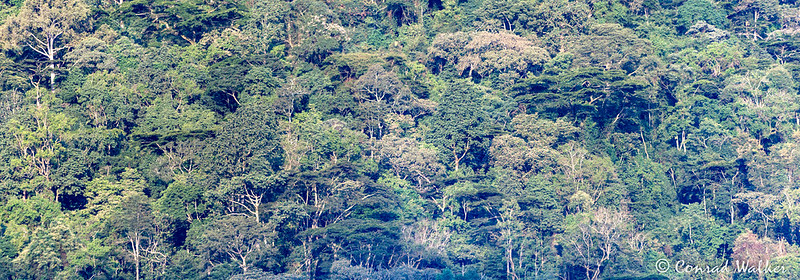
If you have ever heard of Bwindi Impenetrable National Park, chances are the word “impenetrable” caught your attention first. It sounds dramatic, almost exaggerated. However, once you begin to understand what this forest is really like, the name starts to feel accurate. This is not just a forest with many trees. Instead, it is a tightly woven natural system where movement feels restricted, visibility drops quickly, and every step demands effort. Travelers who visit with Zamunda Travels often arrive curious about the name, but they leave fully convinced that Bwindi truly lives up to it.
Where the Name Bwindi Impenetrable Forest Comes From
The name Bwindi has deep roots in local language and culture. It is believed to come from a word that means “dark place,” which already gives a hint about what lies inside. The forest canopy is so thick that sunlight struggles to reach the ground. As a result, the interior often feels shaded, even during the brightest part of the day.
Later, when early explorers tried to move through the forest, they faced serious challenges. Thick vines blocked their way, shrubs tangled around their legs, and there were no clear paths to follow. Because of this experience, they began to describe the forest as “impenetrable.” Over time, the name stuck. Today, it still reflects what many visitors feel when they step into the forest, even with the help of experienced guides from Zamunda Travels.
Bwindi Impenetrable Forest Density Explained
Vegetation That Feels Almost Solid
One of the first things people notice in the Bwindi impenetrable forest is how tightly everything grows. Trees do not stand alone. Instead, they compete for space, pushing close to each other while smaller plants fill every gap below. Vines twist from branch to branch, and thick undergrowth covers the ground. In some areas, it feels like the forest has no clear entry point at all.
A Canopy That Changes the Atmosphere
Above, the canopy forms several layers that trap moisture and block light. This creates a cool and humid environment where plants grow quickly and continuously. Because of this, even areas that are cleared can become overgrown again in a short time. The forest almost rebuilds itself, which adds to its reputation as being difficult to pass through.
Terrain That Slows You Down
The landscape in Bwindi does not make things easier. The forest sits within a mountainous region, which means you often deal with steep slopes and uneven ground. Walking here is not a straight line. You climb, descend, and adjust your balance constantly. Zamunda Travels prepares visitors for this kind of movement because it can surprise those expecting a simple nature walk.
Bwindi Impenetrable Forest Biodiversity and Natural Barriers
A Forest Full of Life
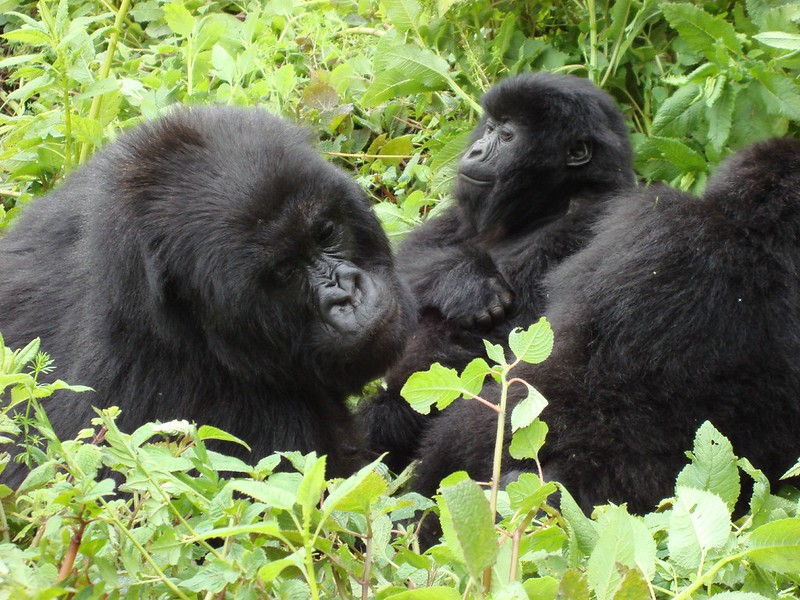
The Bwindi impenetrable forest is not just dense; it is also incredibly alive. It supports a wide range of species, from birds and butterflies to mammals. Most famously, it is home to mountain gorillas, which depend on this thick environment for survival. The density of the forest provides both food and protection for these animals.
Natural Obstacles That Protect the Ecosystem
Interestingly, what makes the forest hard for humans to enter also helps protect it. Fallen trees, tangled roots, and constant plant growth act like natural defenses. They slow down large-scale human activity and keep much of the forest in its original state. This is one reason why Bwindi remains so important for conservation today. With guidance from the Uganda Wildlife Authority and tour operators like Zamunda Travels, access is controlled and respectful.
Bwindi Impenetrable Forest History and Exploration Challenges
Limited Access in the Past
For many years, even nearby communities did not move deep into the forest. They used its edges for resources, but the interior remained largely untouched. The difficulty of navigating the forest played a big role in this pattern.
The Experience of Early Explorers
When outsiders first tried to explore Bwindi, they quickly realized how demanding it was. Progress was slow, and the risk of getting lost was real. These experiences shaped the forest’s global reputation. Calling it “impenetrable” was not just descriptive; it was a reflection of frustration and respect at the same time.
How Access Has Changed Today
Today, things are different, but not easy. Carefully maintained trails allow visitors to enter certain areas. However, the forest still feels wild. Guided tours with Zamunda Travels make it possible to explore safely while still experiencing the raw nature of the environment. The forest has not been tamed; it has only been understood better.
Why the Name Still Matters Today
Even with modern tourism, the name Bwindi impenetrable forest still makes sense. The forest has not lost its character. It still challenges movement, limits visibility, and feels deeply natural. Visitors often say that photos do not fully capture the experience. You need to walk through it to understand.
At the same time, the name reminds us why the forest remains important. Its difficulty has helped protect it. Without that natural barrier, much of its biodiversity could have been lost long ago.
Experiencing Bwindi With Zamunda Travels
Visiting Bwindi today is less about conquering a forest and more about understanding it. Zamunda Travels focuses on creating that kind of experience. Their guides do not just lead the way; they explain what you are seeing and why it matters. This makes the journey feel more personal and grounded.
As you move through the forest, you begin to notice small details. The sound of leaves underfoot, the way light filters through the canopy, and the sudden appearance of wildlife all create a strong connection to the environment. By the end of the trek, the word “impenetrable” no longer feels like an exaggeration. It feels like the most honest description possible.
A Name You Have to Experience to Understand
The Bwindi impenetrable forest earned its name through real experience, not imagination. Its dense vegetation, layered canopy, and rugged terrain all contribute to a landscape that resists easy movement. While modern access has made it possible to visit, the forest still holds onto its original character.
With Zamunda Travels, visitors can explore this unique environment in a way that feels both safe and authentic. And once you step inside, even for a short time, you begin to understand why Bwindi has carried this powerful name for so long.