Accommodation at Bwindi Forest National Park
May 9, 2026
East African Tourist Visa to Uganda, Kenya and Rwanda
May 9, 2026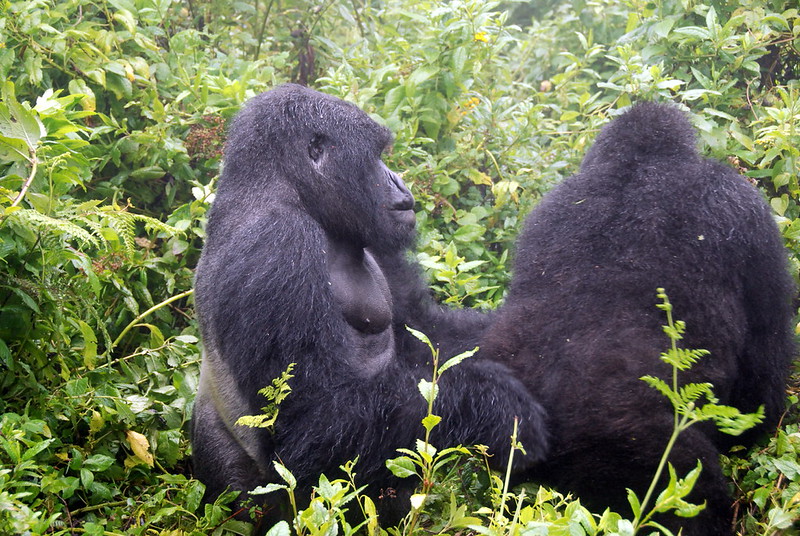
Mountain gorillas are among the most fascinating primates in Africa. Many travelers who visit Bwindi Impenetrable National Park and Mgahinga Gorilla National Park often ask an interesting question: how do gorillas mate? Gorilla mating behavior is complex, natural, and closely linked to their social structure. These gentle giants live in organized family groups led by dominant silverbacks. Their reproduction process helps maintain healthy gorilla populations in the wild. At Zamunda Travels, we guide travelers deep into Uganda’s forests to learn more about gorilla life, behavior, and conservation. Understanding how gorillas mate also helps visitors appreciate the importance of protecting these endangered primates and their fragile habitats.
How Do Gorillas Mate in Gorilla Families?
To understand how gorillas mate, it is important to first understand their family structure. Gorillas live in groups known as troops or families. A dominant silverback leads each family and protects females, infants, and younger males. Female gorillas usually choose the silverback they want to mate with because he offers safety, leadership, and strong protection from danger. Unlike many wild animals, gorillas do not have a strict breeding season. They can mate at any time of the year depending on the female’s fertility cycle.
The mating process normally begins when a female becomes receptive. She may approach the silverback slowly, maintain eye contact, or touch him gently to signal interest. In some cases, the silverback starts the interaction by moving closer to the female. Gorillas mate on the ground, and the process is usually brief. However, their emotional and social bonds remain strong within the family group. Travelers on gorilla trekking safaris with Zamunda Travels sometimes observe family interactions that reveal the deep social connections among these remarkable primates.
Gorilla Mating Behavior and Social Bonds
How Do Gorillas Mate Through Courtship?
Gorilla mating behavior involves communication, trust, and social hierarchy. Female gorillas rarely mate randomly. Instead, they prefer mature silverbacks with proven leadership skills. Courtship among gorillas is calm and less aggressive than in many other primates. Females often show subtle body movements, soft vocalizations, and close physical contact before mating begins.
Young blackback males sometimes attempt to mate with females, but dominant silverbacks usually control reproduction within the group. This system helps maintain order and reduces conflict among family members. Scientists who study gorilla behavior in Bwindi Impenetrable National Park have discovered that female gorillas may transfer between groups several times during their lives. They often move to stronger groups with experienced silverbacks to improve the survival chances of their offspring.
Gorilla Reproduction and Pregnancy
After successful mating, the female gorilla enters a gestation period that lasts about 8.5 months, which is very similar to humans. Female gorillas usually give birth to one infant at a time, although twins occasionally occur. Newborn gorillas are tiny and completely dependent on their mothers during the first months of life. Mothers carry infants on their chest before the babies later ride on their backs as they grow stronger.
Infant survival depends heavily on the protection of the silverback and the care of the mother. The silverback defends the group from threats such as rival males, predators, or danger from humans. This protective behavior plays a major role in the success of gorilla reproduction. Visitors who trek gorillas with Zamunda Travels often witness mothers caring for playful infants in the dense rainforest.
How Do Gorillas Mate and Raise Young?
Parenting Roles in Gorilla Families
One of the most interesting aspects of how gorillas mate involves their parenting system. Female gorillas provide direct care to infants through feeding, grooming, and nurturing. Meanwhile, the silverback acts as the family protector and leader. Young gorillas stay close to their mothers for several years while learning survival skills and social behavior.
Gorilla infants develop slowly. They begin walking at around three to six months and continue learning social behaviors throughout childhood. Strong family relationships help young gorillas survive in the wild. Researchers have observed that silverbacks often show gentle behavior toward infants by playing with them and allowing them to climb on their backs.
Because gorillas reproduce slowly, conservation efforts remain extremely important. A female gorilla may only give birth every four to six years. This slow reproduction rate makes gorilla populations vulnerable to disease, habitat loss, and poaching. Conservation tourism has therefore become a major tool in protecting these endangered animals.
Gorilla Conservation and Tourism in Uganda
Understanding how gorillas mate also highlights why conservation matters so much in Uganda. Mountain gorillas remain endangered despite recent population growth. Protected forests such as Bwindi Impenetrable National Park and Mgahinga Gorilla National Park provide safe habitats where gorillas can reproduce naturally. Uganda Wildlife Authority, conservation groups, and responsible tour operators continue to support gorilla protection programs through regulated tourism.
Gorilla trekking gives travelers a rare opportunity to observe gorillas in their natural environment while contributing to conservation funding. Revenue from gorilla permits supports park management, local communities, ranger patrols, and veterinary care programs. At Zamunda Travels, we encourage responsible tourism practices that protect gorilla families for future generations.
Best Places to Observe Gorilla Behavior
Travelers interested in learning how gorillas mate and interact socially should consider visiting Uganda’s gorilla parks. Bwindi Impenetrable National Park offers several trekking sectors with habituated gorilla families that visitors can observe safely. The forest contains nearly half of the world’s remaining mountain gorillas. Meanwhile, Mgahinga Gorilla National Park provides a quieter trekking experience with spectacular volcanic scenery.
The best time for gorilla trekking is during the dry seasons from June to September and December to February. During these months, forest trails remain easier to navigate. However, gorilla trekking takes place throughout the year because gorillas do not migrate and remain active daily.
Conclusion on How Gorillas Mate
Learning how gorillas mate provides a deeper understanding of gorilla society, family bonds, and reproduction in the wild. Gorilla mating behavior depends on trust, leadership, and strong social relationships within family groups. Female gorillas carefully select dominant silverbacks, while mothers and silverbacks work together to raise and protect young gorillas. Their slow reproduction cycle makes conservation essential for the survival of the species.
A gorilla trekking safari with Zamunda Travels offers more than wildlife viewing. It creates an opportunity to witness the intelligence, emotional connection, and social life of mountain gorillas in Uganda’s beautiful rainforests. By supporting responsible tourism, travelers help preserve these incredible primates and their natural habitats for generations to come.