The Great Rift Valley is one of the most remarkable geological features on Earth, stretching from the Middle East down through East Africa. Within this vast landscape lives an extraordinary diversity of wildlife, but none are as captivating as the Great Rift Valley primates. These include gorillas, chimpanzees, baboons, colobus monkeys, and several rare species that depend on the region’s forests and wetlands for survival. Travelers who explore this region with Zamunda Travels often find that primate encounters become the highlight of their safari experience because they offer a rare chance to observe human like behavior in the wild. The forests of Uganda, Rwanda, Kenya, and Tanzania provide a living laboratory where primates thrive in varying ecological zones, from montane rainforests to savannah woodlands.
Diversity and Habitats
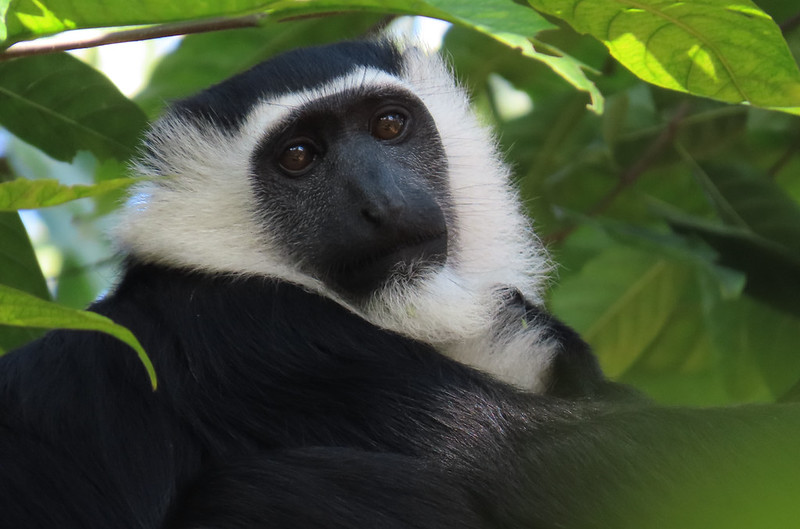
The Great Rift Valley primates are incredibly diverse, and their distribution depends heavily on altitude, forest type, and climate conditions. Mountain gorillas dominate the dense forests of Bwindi Impenetrable National Park and Mgahinga Gorilla National Park in Uganda, as well as Volcanoes National Park in Rwanda. Meanwhile, chimpanzees thrive in Kibale Forest National Park, which hosts one of the highest primate densities in Africa. Other species such as olive baboons, vervet monkeys, and red colobus monkeys occupy a wide range of habitats, adapting well to both forest and savannah environments. These primates play a crucial ecological role by dispersing seeds, maintaining forest balance, and contributing to biodiversity.
Zamunda Travels emphasizes that understanding these habitats helps visitors appreciate how fragile and interconnected these ecosystems are. The Great Rift Valley’s forests are not isolated pockets; instead, they form ecological corridors that allow primates to migrate, feed, and reproduce. This connectivity is essential for their long-term survival, especially in the face of human expansion and climate change.
Where to See Great Rift Valley primates in Uganda and beyond
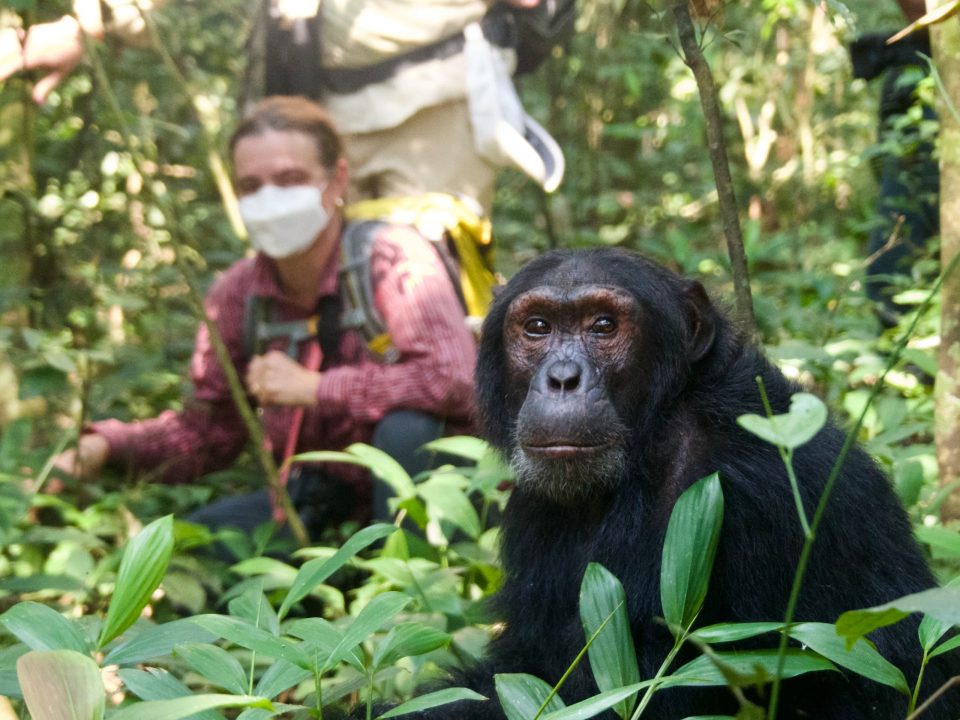
Travelers seeking to experience the Great Rift Valley primates have several world class destinations to choose from. Uganda stands out as a premier primate destination due to its dense forest reserves and conservation success stories. Kibale Forest National Park offers unforgettable chimpanzee trekking experiences, while Bwindi Impenetrable Forest provides close encounters with mountain gorillas. In addition, Queen Elizabeth National Park’s Kyambura Gorge is often referred to as the “Valley of Apes” due to its isolated chimpanzee population.
Beyond Uganda, Rwanda’s Volcanoes National Park provides one of the most famous gorilla trekking experiences in the world, while Kenya’s Kakamega Forest and Tanzania’s Mahale Mountains National Park offer additional opportunities to observe chimpanzees in their natural habitats. Zamunda Travels organizes guided safari experiences across these destinations, ensuring that travelers not only see the primates but also understand their behavior, conservation status, and cultural importance.
Great Rift Valley primates in Bwindi and Kibale ecosystems
The Great Rift Valley primates in Bwindi and Kibale ecosystems represent two of the most studied primate populations in Africa. Bwindi Impenetrable Forest is home to nearly half of the world’s remaining mountain gorillas, making it a global conservation priority. Trekking here allows visitors to observe gorilla families interacting, feeding, and nurturing their young in a deeply social structure that closely mirrors human behavior.
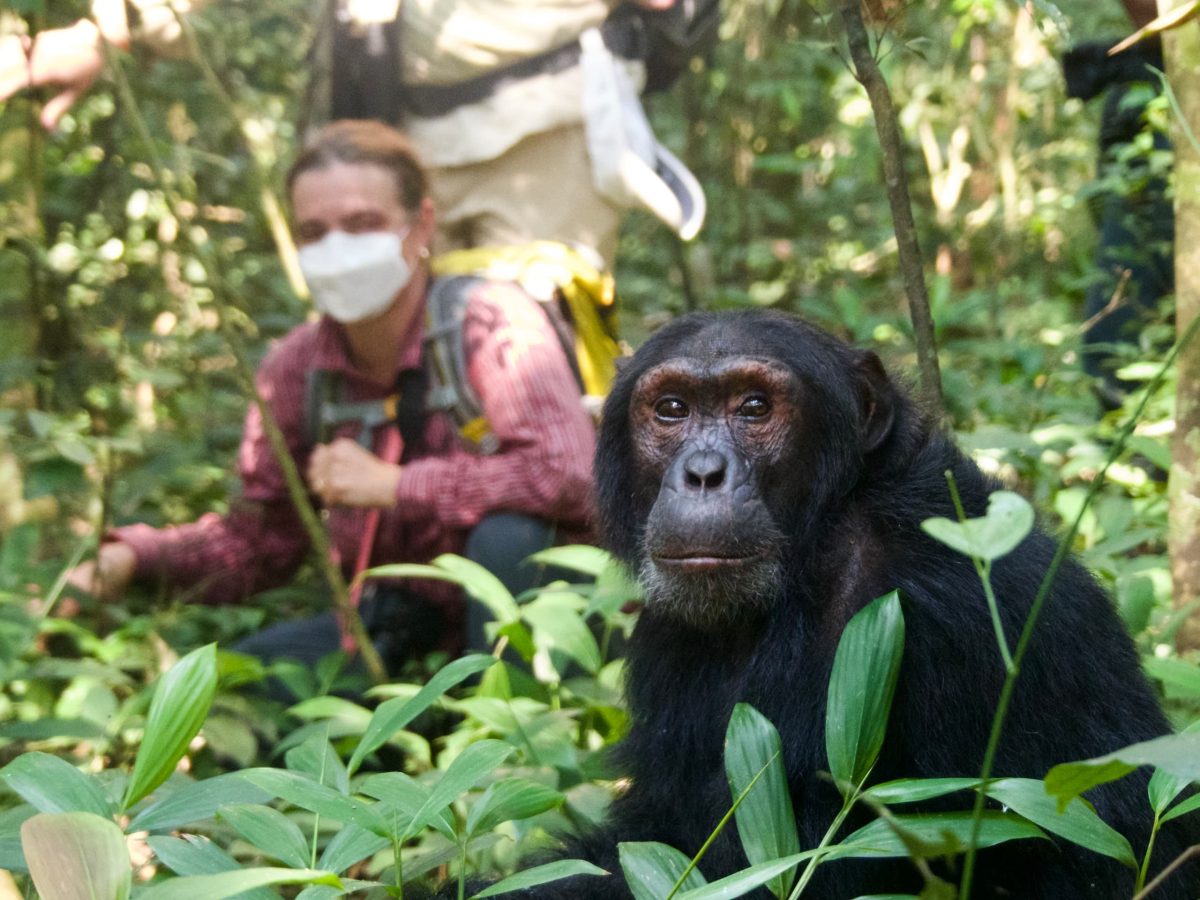
Kibale Forest, on the other hand, offers a completely different experience. It is known as the “Primate Capital of the World” due to its high concentration of primate species, including chimpanzees, L’Hoest’s monkeys, and red-tailed monkeys. The chimpanzees here display complex communication, tool use, and social bonding, which makes Kibale a must-visit destination for wildlife enthusiasts. Zamunda Travels ensures that each guided trek follows ethical tourism practices that minimize disturbance while maximizing educational value.
Conservation of Great Rift Valley primates with Zamunda Travels
Conservation is at the heart of protecting the Great Rift Valley primates, and it requires collaboration between governments, local communities, and tourism operators. Habitat loss, poaching, and disease transmission remain the greatest threats to primate populations across the region. However, conservation efforts have shown remarkable success, especially in Uganda and Rwanda, where mountain gorilla populations are slowly increasing due to strict protection measures and responsible tourism.
Zamunda Travels actively promotes eco friendly tourism by supporting conservation programs, hiring local guides, and encouraging travelers to respect wildlife viewing guidelines. Revenue generated from primate trekking permits directly funds park management, anti-poaching patrols, and community development projects. This means that every safari not only provides an unforgettable experience but also contributes to the survival of these endangered species.
In conclusion, the Great Rift Valley remains one of the most important primate conservation landscapes in the world. Through responsible travel and awareness, visitors can help ensure that future generations continue to witness the beauty and intelligence of these incredible animals in their natural habitat.