Chimpanzee Tracking in Nyungwe Forest National Park
May 13, 2026
Bird Watching Destinations in Rwanda
May 13, 2026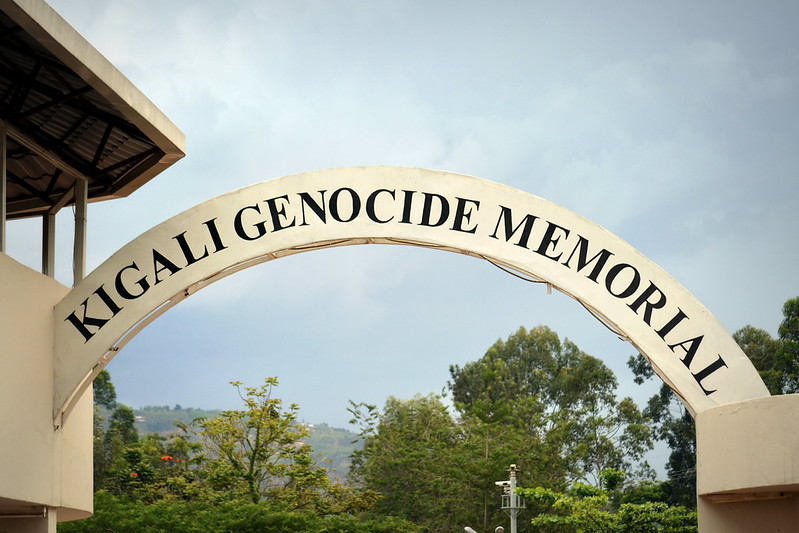
Kigali Genocide Memorial stands as one of the most important historical and cultural sites in Rwanda. Located in the capital city of Kigali, the memorial honors more than 250,000 victims of the 1994 Genocide against the Tutsi. Today, the site serves as a place of remembrance, education, healing, and reconciliation. Every year, thousands of travelers, researchers, students, and world leaders visit the memorial to learn about Rwanda’s painful history and the country’s remarkable journey toward unity and peace.
For travelers planning a cultural safari in Rwanda, Zamunda Travels recommends visiting the Kigali Genocide Memorial because it provides a deeper understanding of Rwanda’s history and resilience. The memorial offers emotional yet educational experiences that help visitors connect with the country beyond wildlife safaris and gorilla trekking adventures.
The History of Kigali Genocide Memorial
The history of Kigali Genocide Memorial dates back to the tragic events of 1994 when Rwanda experienced one of the darkest periods in modern history. During the Genocide against the Tutsi, extremist groups killed more than one million people within one hundred days. Families lost loved ones, communities collapsed, and the country suffered severe destruction. After the genocide ended, Rwanda faced the difficult task of rebuilding the nation while preserving the memory of those who lost their lives.
In 2004, the Kigali Genocide Memorial officially opened to commemorate the tenth anniversary of the genocide. The memorial was developed through a partnership between the Rwanda government and the Aegis Trust, an organization dedicated to genocide prevention and peace education. Since then, the memorial has become a central place for remembrance and historical education in Rwanda.
The memorial contains mass graves where more than 250,000 victims rest. It also features exhibition halls that explain the history of Rwanda before colonialism, the causes of ethnic division, the planning of the genocide, and the recovery journey after 1994. Through photographs, survivor testimonies, videos, and personal belongings, visitors gain a powerful understanding of the events that shaped modern Rwanda.
Why Kigali Genocide Memorial Is Important
Kigali Genocide Memorial Preserves Rwanda’s History
One major importance of Kigali Genocide Memorial lies in preserving Rwanda’s history for future generations. The memorial ensures that the stories of the victims remain alive and that the truth about the genocide stays documented. Visitors learn how hatred, division, and propaganda contributed to violence. As a result, the memorial teaches people around the world about the dangers of intolerance and discrimination.
Zamunda Travels encourages travelers to include the memorial in their Rwanda itinerary because understanding the country’s past creates a more meaningful travel experience. Many visitors leave the memorial with greater respect for Rwanda’s progress and unity.
Kigali Genocide Memorial Promotes Peace and Reconciliation
Another importance of Kigali Genocide Memorial involves promoting reconciliation among Rwandans. After the genocide, Rwanda focused on rebuilding trust between communities. The memorial supports this mission through peace education programs, community discussions, and youth awareness projects. These initiatives encourage forgiveness, unity, and national healing.
Today, Rwanda stands as one of Africa’s safest and most organized countries. Many visitors admire how the country transformed from tragedy into a symbol of hope. Through educational tours organized by Zamunda Travels, travelers can learn how Rwanda used reconciliation programs to restore peace and rebuild communities.
Kigali Genocide Memorial Educates International Visitors
The memorial also plays a key role in educating international visitors about genocide prevention. People from different countries visit the site to understand how violence developed and how societies can prevent similar tragedies in the future. The exhibitions compare the Rwanda genocide with other genocides that happened in different parts of the world. This global perspective helps visitors recognize the importance of human rights and peaceful coexistence.
Students, historians, diplomats, and researchers often visit the memorial to study conflict prevention and post-war recovery. Consequently, the Kigali Genocide Memorial continues to influence global conversations about peacebuilding and justice.
What Visitors Experience at Kigali Genocide Memorial
Visitors at Kigali Genocide Memorial experience emotional and educational guided tours. The memorial includes permanent exhibitions that explain Rwanda’s colonial history, political tensions, and the events leading to the genocide. The children’s memorial section honors young victims through photographs and personal stories, making the experience deeply moving.
Outside the exhibition halls, visitors can walk through peaceful gardens and memorial walls where victims rest. The gardens provide quiet spaces for reflection and remembrance. Audio guides and professional tour guides also help visitors understand the exhibits in greater detail.
Zamunda Travels advises visitors to approach the memorial with respect because it remains a sacred burial ground and remembrance site. Photography is restricted in some sections, and modest behavior is encouraged throughout the visit.
Best Time to Visit Kigali Genocide Memorial
Travelers can visit Kigali Genocide Memorial throughout the year because it operates in all seasons. However, many people visit during April, which marks the annual genocide commemoration period known as Kwibuka. During this time, Rwanda hosts remembrance events, discussions, and memorial ceremonies across the country.
Visitors who prefer quieter experiences may choose other months when crowds are smaller. Since the memorial is located in Kigali, travelers can easily combine the visit with city tours, local markets, museums, and nearby cultural attractions. Zamunda Travels often includes the memorial in Kigali city excursions before or after gorilla trekking safaris in Volcanoes National Park.
Travel Tips for Visiting Kigali Genocide Memorial
Travelers should prepare emotionally before visiting the memorial because some exhibitions contain graphic images and emotional testimonies. Comfortable clothing and respectful behavior are recommended during the visit. Guided tours offer deeper insights into the exhibits, so many visitors prefer joining organized tours through Zamunda Travels.
The memorial is located about ten minutes from Kigali city center, making access easy for travelers staying in different parts of the city. Visitors should also allocate at least two to three hours for the experience because the exhibitions contain detailed historical information.
Conclusion on Kigali Genocide Memorial
Kigali Genocide Memorial remains one of the most significant historical sites in Africa. The memorial honors victims, preserves Rwanda’s history, promotes reconciliation, and educates the world about genocide prevention. Beyond being a tourist attraction, the memorial serves as a symbol of resilience, hope, and unity.
For travelers seeking meaningful cultural experiences in Rwanda, Zamunda Travels highly recommends visiting the memorial as part of a complete Rwanda safari journey. The experience helps visitors understand the country’s remarkable transformation and appreciate the strength of the Rwandan people.