What Makes Uganda Unique Compared to Other African Destinations
May 16, 2026
Best Tourist Beaches Around Lake Victoria
May 16, 2026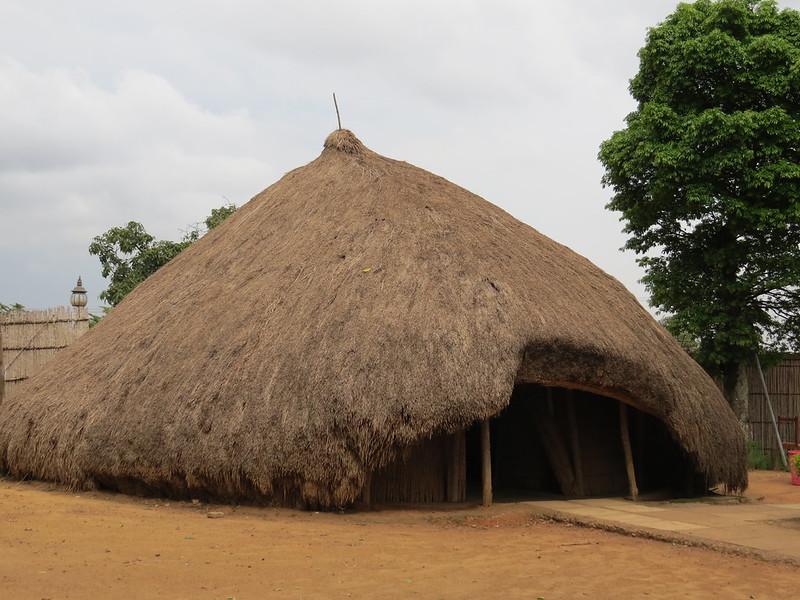
Uganda offers a deep and fascinating historical journey shaped by kingdoms, early civilizations, colonial encounters, and strong cultural traditions. From ancient rock art sites to royal burial grounds and sacred shrines, the country preserves stories that stretch back centuries. These places help travelers understand Uganda beyond wildlife and landscapes. With Zamunda Travels, visitors explore these destinations in a well guided, meaningful way that connects history with real cultural experiences. This blog explores the most important Uganda heritage sites that every traveler should consider when visiting the Pearl of Africa.
Kasubi Tombs
The Kasubi Tombs in Kampala stand as one of the most significant cultural landmarks in Uganda. They serve as the royal burial grounds for the Kings (Kabakas) of Buganda, making them a deeply spiritual and political symbol for the Baganda people. Built using traditional materials like wood, reeds, and thatch, the site reflects outstanding architectural heritage recognized by UNESCO.
Visitors who explore the Kasubi Tombs with Zamunda Travels experience the living traditions of the Buganda Kingdom, including cultural rituals and historical storytelling. Although the site suffered damage from fire in 2010, ongoing restoration efforts continue to preserve its legacy. This heritage site remains a powerful reminder of Uganda’s royal history and cultural identity.
Nyero Rock Paintings
The Nyero Rock Paintings in eastern Uganda represent one of the oldest forms of human expression in the region. These ancient artworks, estimated to be several centuries old, are found on rock shelters near Kumi district. The paintings feature geometric shapes and symbolic designs believed to represent early spiritual or social practices.
Zamunda Travels highlights Nyero as an essential stop for travelers interested in archaeology and early African civilizations. The site offers a quiet, reflective environment where visitors can connect with Uganda’s prehistoric past. The rock art continues to attract researchers and tourists who want to understand early human settlement patterns in East Africa.
Namugongo Martyrs Shrine
The Namugongo Martyrs Shrine is one of the most visited religious and historical sites in Uganda. It honors the Uganda Martyrs young Christians who were executed between 1885 and 1887 for refusing to renounce their faith. The shrine has become a major pilgrimage destination, especially on 3rd June every year when thousands gather to commemorate their sacrifice.
Zamunda Travels includes Namugongo in cultural tours that help visitors understand the role of faith in shaping Uganda’s modern identity. The modern basilica and surrounding grounds create a powerful spiritual atmosphere that reflects courage, belief, and resilience.
Bigo bya Mugenyi Earthworks
Bigo bya Mugenyi is an ancient archaeological site located in western Uganda. It consists of a complex system of earthworks believed to date back to the early Iron Age. Historians suggest that it was once part of a large and organized kingdom with advanced settlement structures.
With Zamunda Travels, visitors learn how these earthworks reveal early political organization and land use in Uganda. The site remains largely undeveloped, which gives travelers a raw and authentic experience of Uganda’s deep history. It is one of the clearest signs of pre-colonial civilization in the region.
Amabere ga Nyinamwiru Caves
Located near Fort Portal, the Amabere ga Nyinamwiru caves combine natural beauty with cultural legend. According to local folklore, the stalactites inside the caves represent the breasts of Nyinamwiru, a princess from the Tooro Kingdom. The site also features waterfalls and lush vegetation, making it both a historical and scenic destination.
Zamunda Travels often recommends this site for travelers who want a mix of storytelling, nature, and culture. The caves offer insight into traditional beliefs while also showcasing Uganda’s geological wonders.
Igongo Cultural Centre
The Igongo Cultural Centre in southwestern Uganda preserves the traditions of the Ankole people. It features a museum, cultural displays, and exhibits that explain the lifestyle, governance, and history of the region. The centre helps visitors understand cattle culture, which plays a central role in Ankole identity.
Zamunda Travels uses Igongo as an educational stop for travelers interested in ethnographic history. The museum bridges the gap between traditional life and modern Uganda, making it a valuable cultural learning site.
Fort Patiko
Fort Patiko, also known as Baker’s Fort, is located in northern Uganda and reflects the colonial history of the region. Built during the 19th century under British explorer Samuel Baker, the fort played a role in anti-slavery campaigns.
Today, Zamunda Travels guides visitors through the ruins while explaining its historical significance in shaping northern Uganda’s past. The site offers both historical insight and panoramic views of the surrounding landscape.
In conclusion, Uganda’s heritage sites reveal a rich blend of ancient civilizations, cultural traditions, religious devotion, and colonial history. Each destination tells a unique story that contributes to the country’s identity as the Pearl of Africa. With Zamunda Travels, exploring these Uganda heritage sites becomes more than tourism it becomes a journey through time, culture, and meaning.