Uganda Safari Costs Explained for Travelers
May 17, 2026
Best Places to Relax After a Gorilla Trek in Uganda
May 17, 2026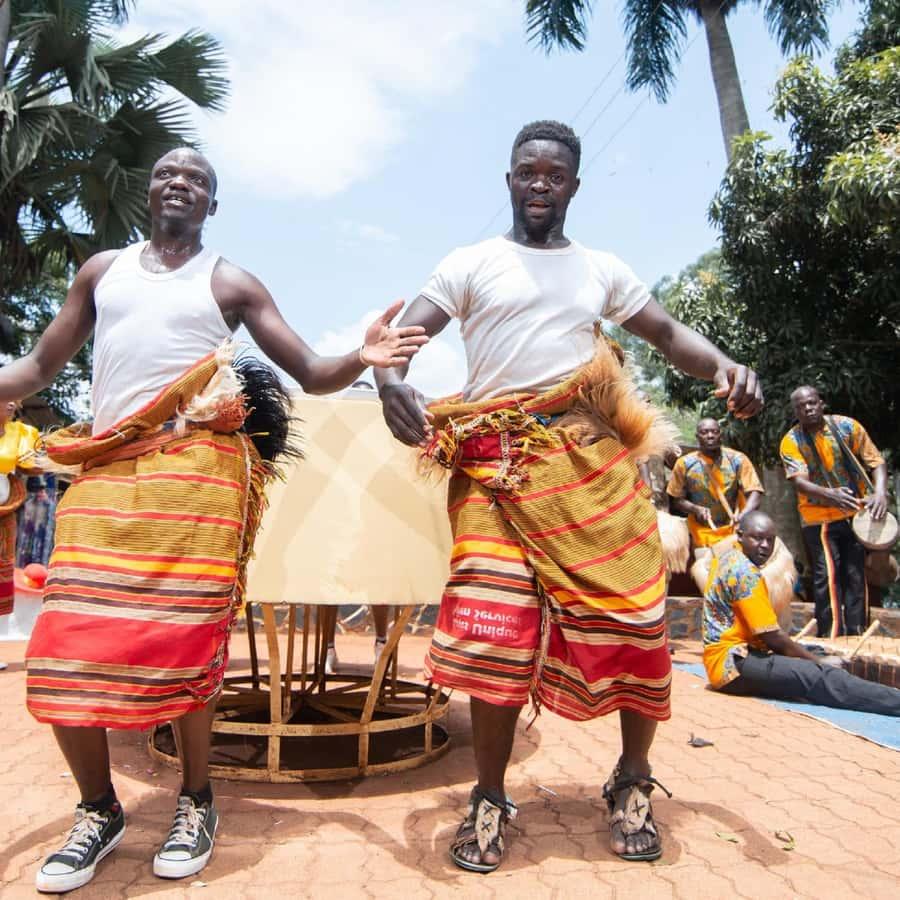
Uganda is a culturally rich destination where traditions are not just preserved but actively practiced in daily life, ceremonies, and community celebrations. From royal performances in ancient kingdoms to energetic village dances that celebrate harvests and milestones, the country offers a vibrant cultural identity that continues to attract travelers from around the world. With Zamunda Travels guiding cultural explorers, visitors can experience authentic performances that reflect the history, values, and stories of Uganda’s diverse ethnic groups. This blog explores the top traditional dances and cultures in Uganda, highlighting their meaning, origins, and how they remain relevant today.
A Cultural Overview
The phrase Uganda traditional dances and cultures in Uganda reflects a wide spectrum of cultural expressions from more than 50 ethnic groups. Each community has unique dances that communicate messages of joy, unity, war victory, courtship, and spirituality. These dances are often performed during ceremonies such as weddings, coronations, initiation rituals, and harvest celebrations. What makes Uganda’s cultural dance heritage remarkable is that it is not staged only for tourism; it is still part of everyday life in many regions.
For example, the Baganda people of central Uganda express royal heritage through the Bakisimba dance, which originated from palace celebrations. In the north, the Acholi perform Bwola, a royal dance that symbolizes dignity and leadership. Meanwhile, western Uganda showcases energetic dances like Ekitaguriro, performed by the Banyankole to celebrate cattle culture and pastoral pride. Through Zamunda Travels, visitors can connect with local communities and experience these performances in their authentic settings rather than staged environments.
The Most Popular Dance Forms
Bakisimba Dance and Cultural Expression
One of the most recognized forms of Uganda traditional dances and cultures in Uganda is the Bakisimba dance. It originated from the Buganda Kingdom and is deeply tied to celebration and gratitude. The dance is performed with rhythmic hip movements, drums, and songs that tell stories of harvest and royal ceremonies. Women usually lead the performance while men provide drumming and chanting support. Today, it remains a symbol of unity and cultural pride among the Baganda people.
Ekitaguriro Dance of Western Uganda
The Ekitaguriro dance represents the pastoral lifestyle of the Banyankole people. It imitates cattle movements, reflecting the importance of cattle in their culture. Dancers wear traditional attire and move gracefully in synchronized steps, accompanied by soft drumming and flute sounds. This dance highlights respect for livestock, which is central to identity and wealth in Ankole culture.
Bwola Royal Dance of the Acholi
Bwola is one of the most structured royal dances in Uganda. It is performed in a circular formation, symbolizing unity and leadership. Historically, it was reserved for royal ceremonies and important communal gatherings. The dance involves synchronized footwork, drumming, and chanting that reflect authority and tradition.
Cultural Meaning and Social Importance
The Uganda traditional dances and cultures in Uganda are not just entertainment; they serve as communication tools. In many communities, dance is used to pass down stories, teach morals, and preserve history. Elders use performance art to educate younger generations about respect, cooperation, and cultural values.
For instance, courtship dances were traditionally used to express interest in marriage, while war dances prepared young men for defense and bravery. Today, although modern influences have changed some practices, these dances still hold symbolic meaning during cultural festivals and tourism events. With Zamunda Travels, visitors gain deeper insight into how these traditions have adapted while preserving their original identity.
Tourism and Modern Experience
Cultural tourism in Uganda has grown significantly, and traditional dances are at the center of this experience. Tourists now attend cultural festivals, village performances, and heritage tours organized by companies like Zamunda Travels, which ensure authentic interactions with local communities.
Travelers can experience live drumming sessions, participate in dance workshops, and learn the meanings behind each movement. This creates a deeper appreciation for Uganda’s heritage beyond wildlife safaris. Cultural tourism also supports local communities by creating income opportunities for dancers, artisans, and storytellers.