Best Photography Spots in Rwanda
May 24, 2026
How to Travel from Kigali International Airport to Rwanda National Parks
May 24, 2026
Rwanda is widely known as the “Land of a Thousand Hills,” a name that feels almost obvious the moment you start moving through the country. The scenery rises and falls constantly, with green hills stretching in every direction, broken only by valleys, rivers, farms, and small settlements. What makes it special is not just the number of hills, but how naturally everything fits together. The landscape feels alive, not staged, and that is what most visitors remember long after they leave.
For travelers exploring East Africa with Zamunda Travels, Rwanda often stands out for its balance of beauty, order, and accessibility. You can drive for hours and still feel like you are inside a painting of rolling green hills, misty ridges, and winding roads that reveal new views at every turn.
Why Rwanda Became the Land of a Thousand Hills
The phrase “Land of a Thousand Hills” did not come from marketing. It comes from observation. Rwanda is almost entirely made up of highlands, with thousands of hills packed closely together across a relatively small country. The number “one thousand” is not literal. It simply captures the feeling of endless elevation changes wherever you go.
In many rural areas, people have lived on these hills for generations. Homes are often built on hilltops or slopes, not only for farming convenience but also for visibility and safety. Over time, these settlements created a landscape that looks carefully layered, with terraces, footpaths, and cultivated fields following the natural curves of the land.
Today, the nickname has become part of national identity. It is used in tourism, storytelling, and everyday conversation because it matches what people actually see on the ground.
The Landscape Behind the Land of a Thousand Hills
What truly defines the “Land of a Thousand Hills” is how consistent the terrain is across the country. There are very few flat regions. Instead, Rwanda is shaped by rolling highlands that shift gently from one hill to another. This creates wide, open views even when you are not at a high altitude.
In the north, the land rises into dramatic volcanic peaks, part of the Virunga range. These mountains are covered in thick vegetation and often wrapped in mist. They form one of the most iconic landscapes in East Africa and support some of the country’s most famous wildlife experiences.
Central Rwanda is softer in appearance. Here, hills are covered in farms, tea plantations, and small villages. The green tones change with the seasons, but the layered pattern of hills never disappears. In the west, the terrain drops toward Lake Kivu, where steep hills meet calm water in a striking contrast. The east opens into wider savannah-like areas, but even there, the rolling pattern of land continues.
It is this consistency that makes Rwanda unique. The hills are not concentrated in one region. They define the entire country.
The Land of a Thousand Hills and Tourism Experience
Tourism in Rwanda is deeply connected to its landscape. The hills are not just scenery; they shape how people travel, hike, and explore the country. Many visitors come expecting wildlife, but they quickly discover that the journey between destinations is just as memorable as the attractions themselves.
One of the most visited places is Volcanoes National Park. The park sits within a mountainous region where steep slopes and dense forests create a dramatic environment. It is home to the mountain gorillas, and trekking through its terrain is both challenging and rewarding. Every step reveals thick vegetation, volcanic soil, and sweeping views of surrounding hills.
Another highlight is Lake Kivu. Unlike the northern mountains, this area offers a calmer landscape. Hills roll gently down toward the lake, creating quiet beaches and small fishing towns. The contrast between water and highland makes it one of the most relaxing destinations in the country.
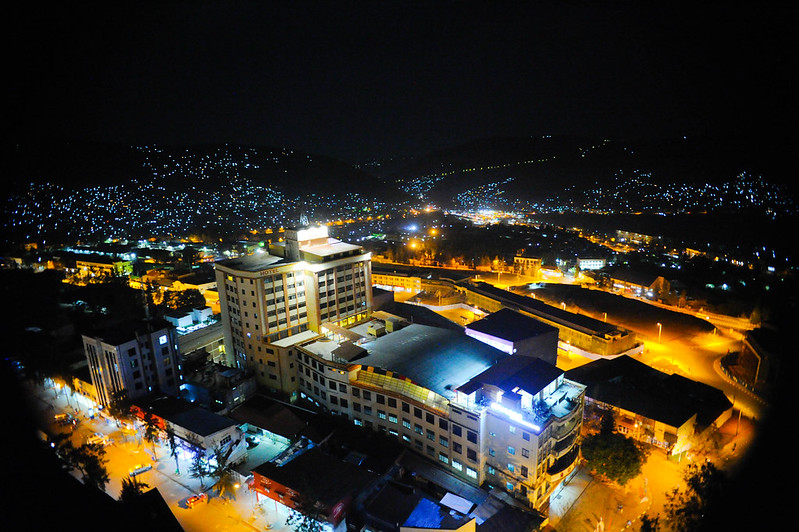
In the center of it all is Kigali. The capital is built across several hills, giving it a layered cityscape. From different viewpoints, you can see neighborhoods rising and falling across the terrain, connected by clean roads and modern infrastructure.
With curated itineraries from Zamunda Travels, visitors can move through these regions smoothly while understanding how closely the land and daily life are connected.
Everyday Life in the Hills of Rwanda
Life in Rwanda is shaped by the hills in very practical ways. Farming is the most visible example. Because the land is rarely flat, farmers use terracing to grow crops like beans, bananas, coffee, and sweet potatoes. These terraces follow the shape of the hills and help control soil erosion while making efficient use of space.
Communities are also organized around hills. In many areas, people identify strongly with the specific hill they come from. This creates a sense of belonging that is local and deeply rooted. Social gatherings, traditions, and even informal leadership structures often reflect this hill based organization.
The climate is another important factor. The elevation keeps temperatures mild throughout the year. Even though Rwanda lies near the equator, the hills make the air cooler and more comfortable compared to many other tropical regions.
Wildlife Across the Land of a Thousand Hills
Rwanda’s hills are not just beautiful; they also support rich ecosystems. The country protects its wildlife through several national parks that reflect different landscapes.
Akagera National Park offers open savannah experiences where animals like lions, elephants, giraffes, and zebras move across rolling plains. Even here, the terrain is not completely flat, which keeps the “hills” identity consistent.
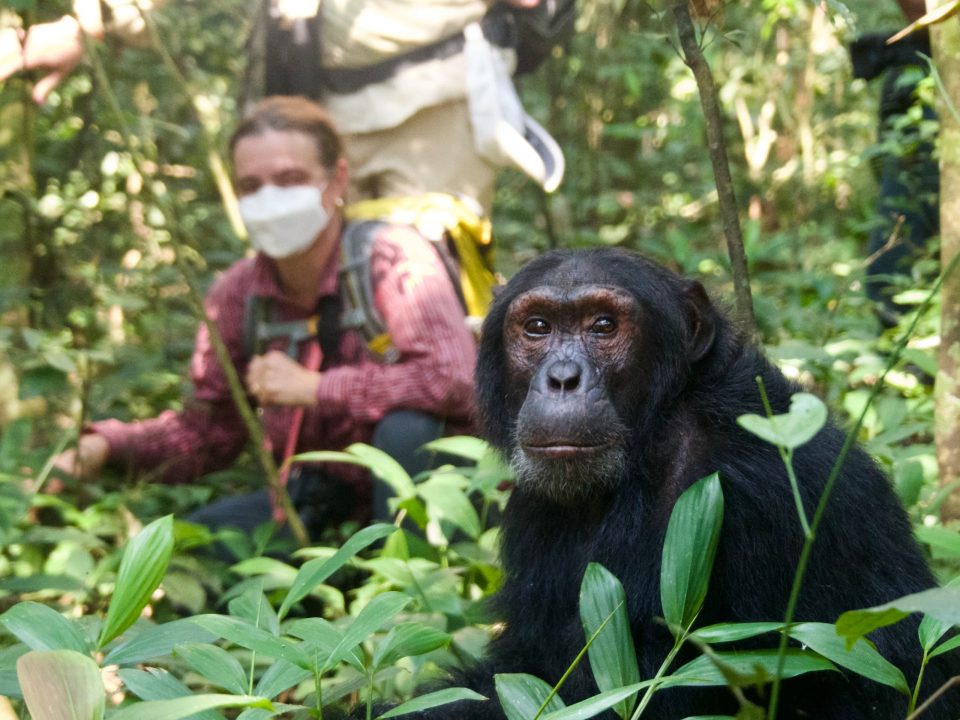
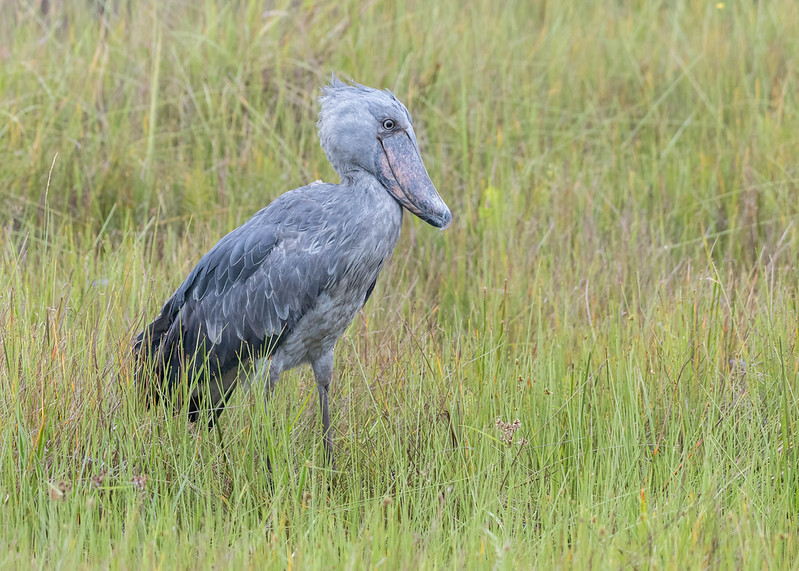
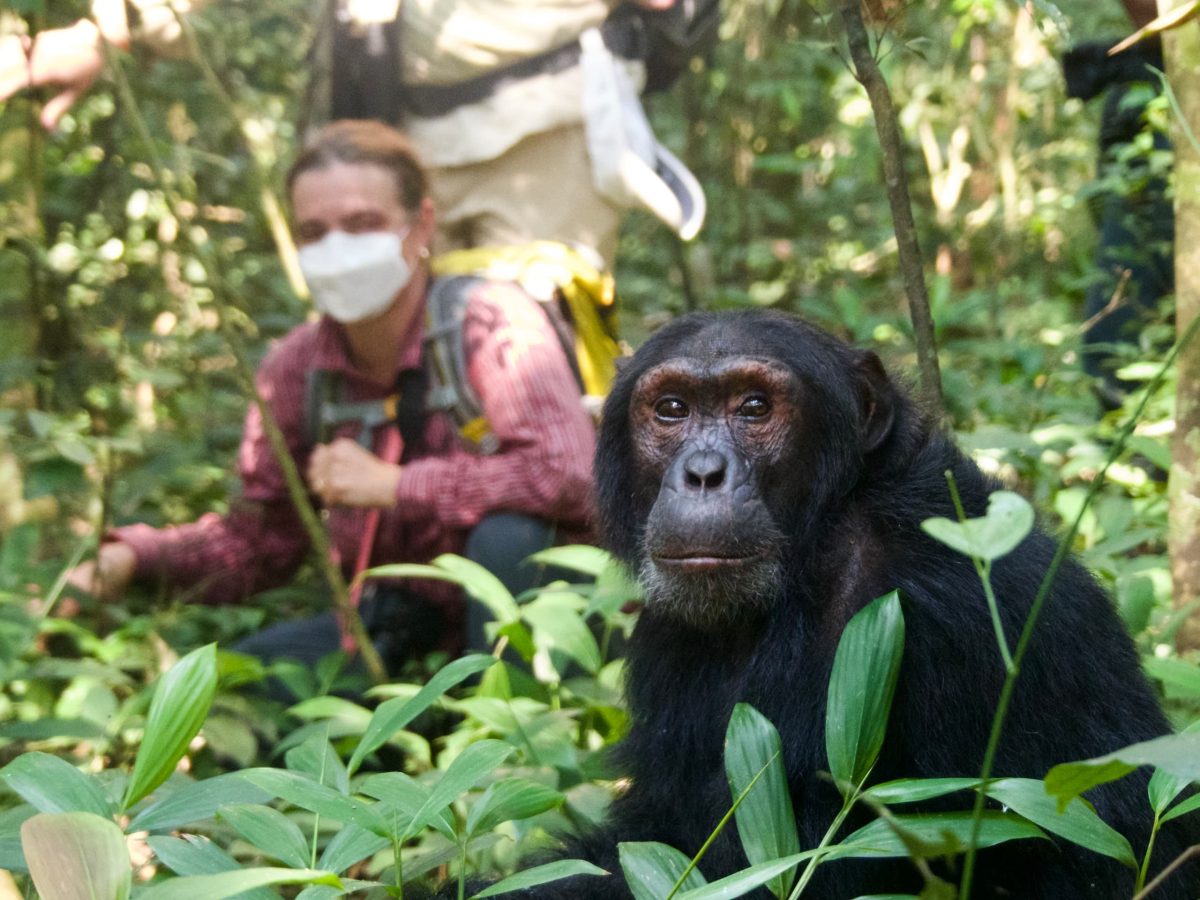
In contrast, Nyungwe Forest National Park is a dense mountain rainforest. It sits on high ridges and valleys filled with chimpanzees, monkeys, and a wide range of bird species. The forest canopy stretches across uneven terrain, creating deep green layers of natural habitat.
These protected areas show how Rwanda balances conservation with tourism. Wildlife is preserved in landscapes that are naturally shaped by hills, valleys, and high altitude forests.
When to Experience the Land of a Thousand Hills
Rwanda can be visited all year, but the experience changes with the seasons. The dry periods, especially from June to September and December to February, make travel easier. Roads are more accessible, and trekking conditions improve, especially in forested areas.
The rainy seasons, however, transform the hills into an even greener version of themselves. The landscapes become richer in color, and waterfalls and vegetation become more dramatic. Many photographers actually prefer this time for its intensity and atmosphere.
With guidance from Zamunda Travels, travelers can choose the best timing based on whether they want easier trekking conditions or more vibrant scenery.
Conclusion
Rwanda is called the “Land of a Thousand Hills” because the landscape truly defines the country. Hills are not occasional features here; they are the structure of the entire terrain. They shape how people live, farm, travel, and experience nature.
From volcanic mountains in the north to lakeside slopes in the west, every region reflects this rolling geography. The result is a country where scenery never really stops. You are always either climbing, descending, or looking across another layer of green hills.
For travelers, this creates a journey that feels continuous and immersive. With well planned trips from Zamunda Travels, exploring Rwanda becomes more than sightseeing. It becomes a way of understanding how deeply land and life are connected.