Top 3 Things to Do in Nyungwe National Park, Rwanda
June 9, 2026
Gorilla Families in Volcanoes National Park: A Complete Guide
June 10, 2026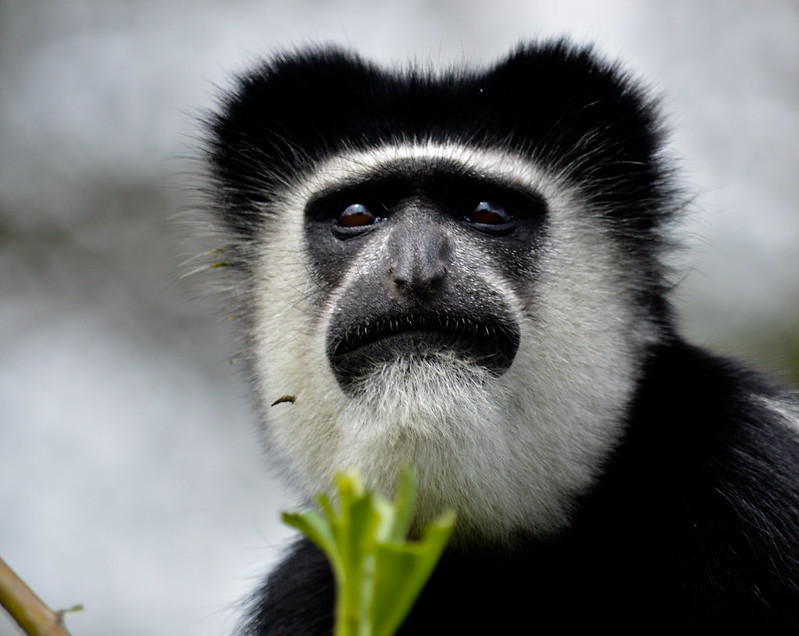
Nestled in the southwestern corner of Rwanda, Nyungwe National Park stands as one of Africa’s most remarkable rainforest destinations. Covering more than 1,000 square kilometers of montane rainforest, bamboo forests, grasslands, and swamps, this protected area offers visitors an unforgettable combination of biodiversity, adventure, culture, and scenic beauty. Many travelers visit Rwanda for mountain gorillas, yet those who venture into Nyungwe discover an equally rewarding experience filled with rare primates, hundreds of bird species, spectacular hiking trails, and one of Africa’s most famous canopy walkways. As a result, the park has become a must-visit destination for nature lovers, photographers, birdwatchers, and adventure seekers. Through carefully planned safaris, Zamunda Travels helps travelers experience every aspect of this incredible rainforest while enjoying comfort, safety, and expert guidance.
Why Every Traveler Needs a Nyungwe National Park Guide
A comprehensive Nyungwe National Park Guide helps visitors understand the importance of one of Africa’s oldest rainforests. The forest is believed to have survived the last Ice Age, making it one of the continent’s most ancient ecosystems. Today, it protects a vast network of watersheds that feed both the Nile and Congo River systems. Beyond its ecological importance, the park serves as a sanctuary for countless plant and animal species that thrive within its cool and misty environment.
The landscape creates an atmosphere unlike anywhere else in Rwanda. Thick forest canopies stretch across rolling mountains while waterfalls tumble through hidden valleys. Early mornings often bring a blanket of mist that slowly lifts to reveal endless green hills. Consequently, visitors experience a sense of wilderness that feels untouched by time. This unique setting has transformed Nyungwe into one of East Africa’s premier ecotourism destinations.
Nyungwe National Park Guide to the History of the Forest
The history of Nyungwe dates back thousands of years. For centuries, local communities depended on the forest for medicinal plants, water, honey, and cultural practices. During the colonial era, parts of the forest faced pressure from logging, mining, and agricultural expansion. However, conservation efforts gradually increased as scientists recognized the area’s exceptional biodiversity.
In 2004, Rwanda officially gazetted the forest as Nyungwe National Park, providing stronger protection for its ecosystems. The government’s commitment to conservation helped restore habitats while encouraging sustainable tourism. Furthermore, partnerships with conservation organizations improved wildlife monitoring, research, and community involvement. In 2023, UNESCO recognized Nyungwe Forest National Park as a World Heritage Site, highlighting its global ecological significance. Today, the park serves as a model for conservation-driven tourism in Africa and continues to attract visitors from around the world.
Wildlife in the Nyungwe National Park Guide
Wildlife remains one of the biggest attractions within the park. Nyungwe supports an astonishing variety of species that flourish in its dense rainforest environment. Scientists have recorded more than 1,000 plant species, making it one of Africa’s richest botanical regions. Massive trees tower above the forest floor while colorful orchids and ferns thrive beneath the canopy.
The park is particularly famous for its primate population. Thirteen primate species inhabit the forest, representing one of the highest concentrations in Africa. Visitors frequently encounter groups of monkeys moving through the trees while listening to the sounds of birds and insects throughout the forest.
In addition, Nyungwe provides refuge for numerous mammals, reptiles, amphibians, and butterflies. Researchers continue to discover new species and deepen scientific understanding of the forest’s ecological value. Every walk through the rainforest reveals another example of the incredible biodiversity that defines this protected area.
Chimpanzee Tracking in the Nyungwe National Park Guide
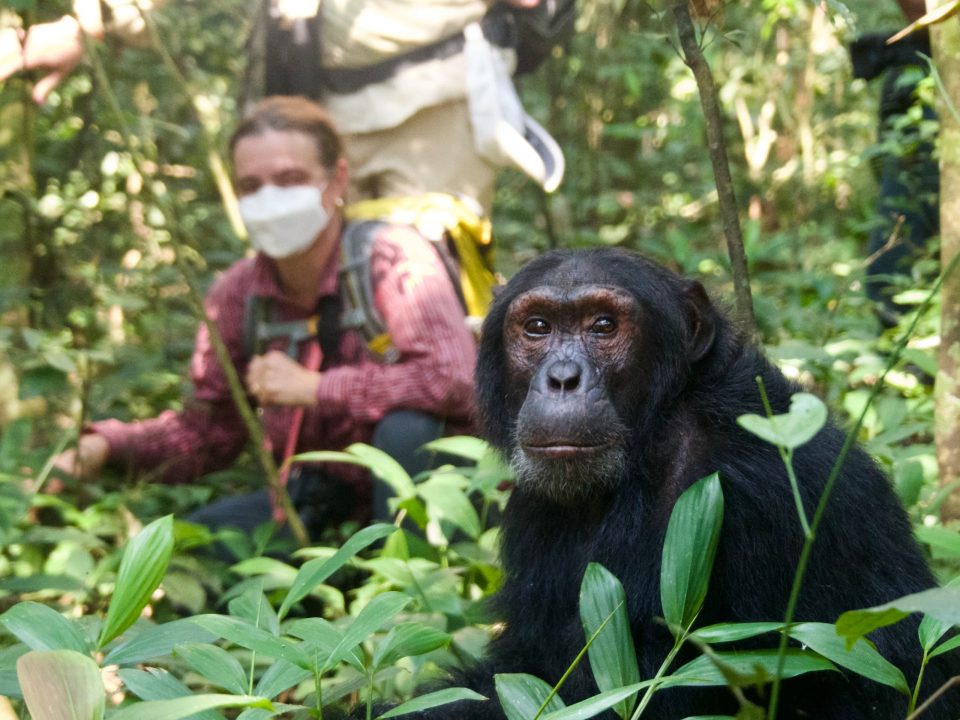
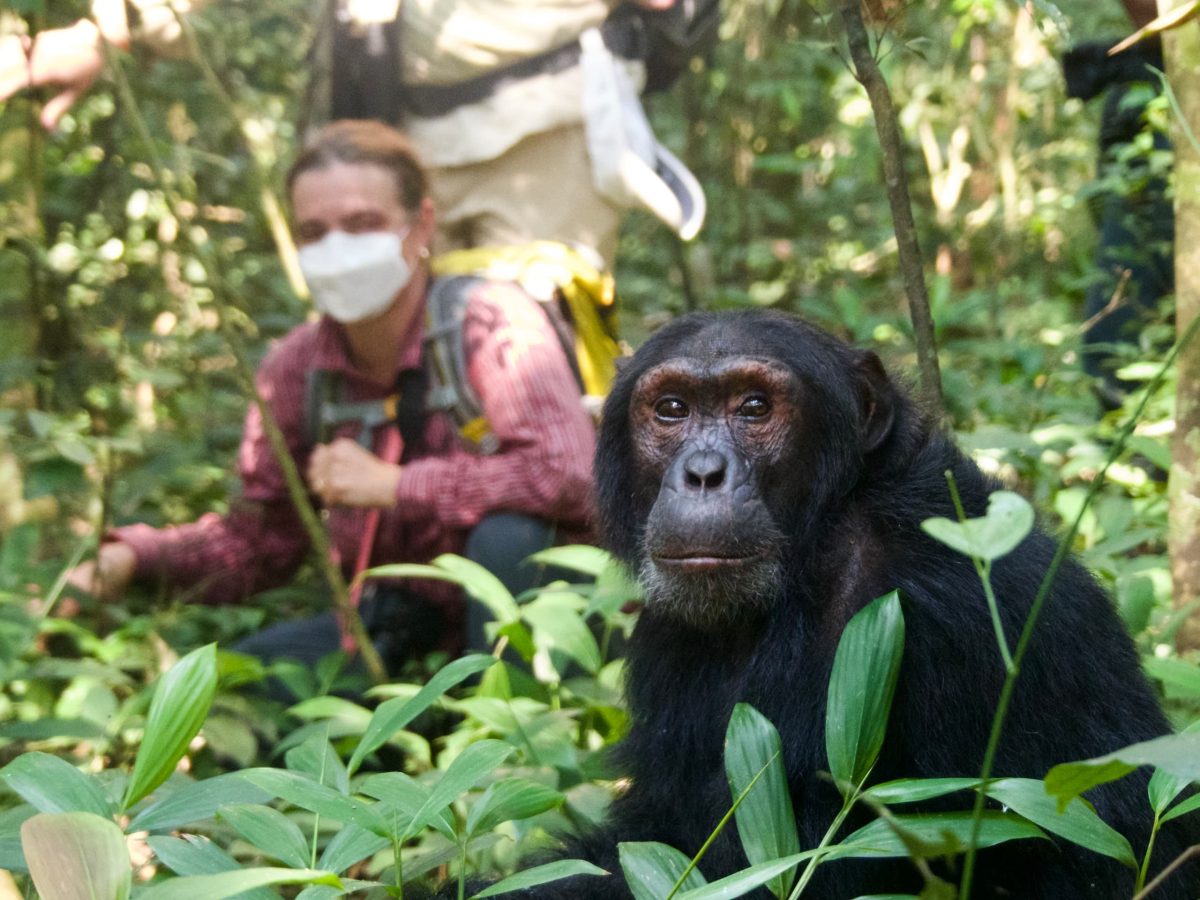
Chimpanzee tracking ranks among the most exciting experiences available in Rwanda. Nyungwe hosts one of the country’s largest populations of wild chimpanzees, with several habituated groups available for tourism. The adventure begins early in the morning when visitors meet experienced guides before entering the forest.
Tracking chimpanzees requires patience and energy because these intelligent primates move quickly through the forest canopy. However, the reward is extraordinary. Visitors often hear loud calls echoing through the trees before spotting a troop feeding, grooming, or playing among the branches. Observing chimpanzees in their natural habitat creates a powerful connection with one of humanity’s closest relatives.
Besides chimpanzees, visitors frequently encounter other primates during the trek. This combination makes every tracking excursion unique and highly rewarding. Zamunda Travels arranges permits, transportation, and professional guides to ensure travelers enjoy a seamless and memorable primate experience.
The Famous Canopy Walk Experience
The canopy walk has become Nyungwe’s signature attraction. Suspended approximately 70 meters above the forest floor and stretching over 160 meters in length, the walkway offers breathtaking views across the rainforest canopy. It remains one of the few canopy walkways in Africa and provides a completely different perspective of the forest ecosystem.
As visitors cross the bridge, they witness treetops, distant mountains, and countless shades of green extending to the horizon. Monkeys sometimes move through nearby branches while birds glide at eye level. The experience combines adventure with spectacular photography opportunities, making it one of the most sought-after activities in Rwanda.
Moreover, the canopy walk can be combined with several hiking trails, allowing visitors to enjoy both ground-level exploration and elevated forest views during the same excursion.
Top Activities Included in a Nyungwe National Park Guide
Nyungwe offers far more than chimpanzee tracking and canopy walks. The park features over 130 kilometers of well-maintained hiking trails that cater to different fitness levels and interests. These trails pass through waterfalls, tea plantations, mountain ridges, and dense rainforest habitats.
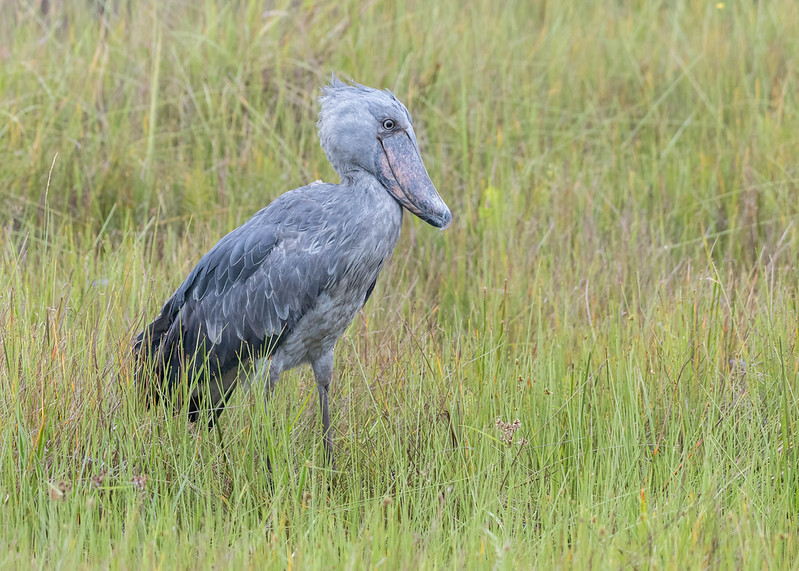
Birdwatching attracts enthusiasts from around the world because the park hosts over 320 bird species, including many Albertine Rift endemics. Species such as the Great Blue Turaco, Red-collared Mountain Babbler, and Rwenzori Turaco create exceptional opportunities for bird photographers and nature enthusiasts.
Visitors can also participate in guided nature walks, orchid tours, butterfly observation, and cultural experiences with nearby communities. Additionally, tea plantation visits provide fascinating insight into Rwanda’s tea industry while offering spectacular views of rolling green landscapes surrounding the forest.
For travelers seeking a deeper connection with nature, multi-day hiking adventures reveal remote sections of the park that few visitors ever see. These extended journeys showcase the true wilderness character of Nyungwe.
Best Hotels Near Nyungwe National Park
Accommodation around Nyungwe caters to different budgets and travel styles. Luxury travelers often choose the renowned One&Only Nyungwe House, which offers elegant suites surrounded by tea plantations. The lodge combines luxury, personalized service, and direct access to forest activities.
Mid range travelers frequently select Nyungwe Top View Hill Hotel because of its panoramic views, comfortable rooms, and convenient location near major park attractions. The property provides excellent value while maintaining a strong connection to the surrounding natural environment.
Budget conscious visitors can find guesthouses and community lodges near the park entrance. These accommodations offer affordable options while supporting local communities and conservation initiatives. Zamunda Travels assists travelers in selecting the most suitable accommodation based on their preferences, budget, and itinerary.
Nyungwe National Park Guide Travel Tips for First-Time Visitors
Planning ahead greatly improves the Nyungwe experience. The dry seasons from June to September and December to February generally provide the best conditions for hiking and wildlife viewing. Trails remain more accessible during these months, and forest activities become easier to enjoy.
Visitors should pack sturdy hiking boots, waterproof clothing, insect repellent, binoculars, and a camera. Since weather conditions can change quickly in the mountains, layered clothing helps maintain comfort throughout the day.
Early bookings are highly recommended, especially for chimpanzee permits and premium accommodations. Furthermore, travelers should allow at least two or three days in the region to fully appreciate the park’s attractions. Combining Nyungwe with gorilla trekking, wildlife safaris, or cultural experiences creates a richer Rwanda itinerary.
Working with an experienced operator such as Zamunda Travels ensures efficient logistics, expert local knowledge, and access to the best experiences available within the park.
Final Thoughts
This Nyungwe National Park Guide highlights why the rainforest remains one of Africa’s most extraordinary natural treasures. Its ancient history, exceptional biodiversity, thriving chimpanzee population, thrilling canopy walk, and diverse adventure opportunities create a destination unlike any other in East Africa. Whether you seek wildlife encounters, birdwatching adventures, scenic hikes, or peaceful moments surrounded by nature, Nyungwe delivers unforgettable experiences at every turn. With expert planning from Zamunda Travels, visitors can explore this remarkable rainforest with confidence while discovering one of Rwanda’s greatest conservation success stories.