
Why Bwindi Is Called an Impenetrable Forest: A Real Look Into Africa’s Thickest Jungle
April 28, 2026
Are Walking Safaris Safe in Lake Mburo? What It Really Feels Like on the Ground
April 28, 2026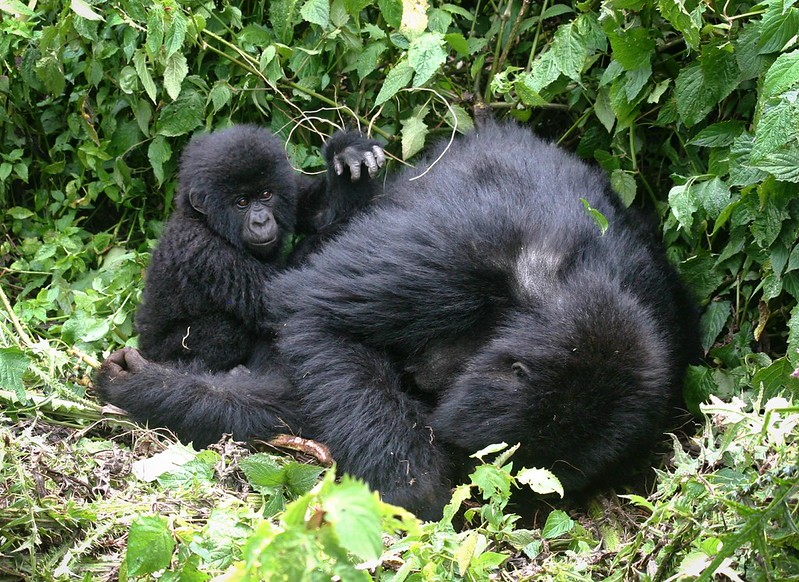
If you ever find yourself deep in the thick greenery of Bwindi Impenetrable Forest or somewhere along the rugged slopes of the Virunga Mountains, one thing becomes clear pretty quickly gorillas don’t just live together, they stick together. A gorilla family is not random at all. It feels organized, but also a bit fluid, like everyone knows their place without needing constant reminders. And honestly, when you trek with Zamunda Travels, you start noticing these small, almost quiet interactions that say a lot more than you expect.
At the center of it all are the Mountain Gorilla, and their family setup is one of the most interesting things about them. It’s not just about survival, it’s about relationships, habits, and routines that have probably stayed the same for generations.
A Closer Look at the Social Structure Gorilla Family Setup
The social structure gorilla family groups follow isn’t complicated on the surface, but when you look closely, there’s a lot going on. Most groups have one main leader, a few adult females, and their young ones. Sometimes there are other males around too, but they don’t usually challenge the leader unless something changes.
Group size can vary. Some are small and tight, others feel a bit larger and more spread out. Still, they move together, feed together, and rest not too far from each other. That sense of “we stay together” is very strong. It’s actually one of the things people notice first during a trek with Zamunda Travels.
Leadership in the Social Structure Gorilla Family
Now, about the leader the silverback. He’s hard to miss. Bigger, stronger, and usually calm unless there’s a reason not to be. In the social structure gorilla family system, he decides where the group goes and when they settle down. It’s not like he’s shouting orders, though. It’s more subtle than that. The group just follows.
He also protects everyone. If there’s danger, he reacts first. You might see him stand tall, make noise, even charge a little just to send a message. Most times, that’s enough. What’s interesting is that even with all that power, he spends a lot of time just being still, watching over the group. Guides from Zamunda Travels often point this out, and once you see it, you don’t forget it.
Females and Young Ones in the Social Structure Gorilla Family
The females keep things going in ways that are easy to overlook. They take care of the young, yes, but they also build connections within the group. You’ll often see them sitting close, grooming, or just resting near each other. It doesn’t look like much, but it holds the group together.
Then there are the young gorillas. They bring a completely different energy. They climb, tumble, chase each other, and sometimes wander just a little too far before being pulled back by a watchful mother. It’s playful, sometimes chaotic, but also important. This is how they learn.
People trekking with Zamunda Travels usually end up talking about these moments the most. There’s something very familiar about watching young gorillas behave like that.
Communication Inside Gorilla Families
Gorillas don’t talk the way we do, but they are not silent either. They use sounds, gestures, even eye contact. A low grunt can mean everything is fine. A sudden movement might mean something is off. And of course, there’s the chest beating it’s not always aggression, sometimes it’s just a display.
In the social structure gorilla family setting, this kind of communication helps avoid conflict. Everyone seems to understand the signals. That’s probably why you don’t see much fighting within the group. It’s more about maintaining balance than proving dominance all the time.
When Things Change in a Gorilla Family
Not everything stays the same forever. If the silverback gets old or dies, things can shift. Another male might take over, and that can bring tension for a while. Some members may even leave and join other groups.
There are also outside pressures. Habitat loss and human activity still affect these animals. That’s why conservation efforts by groups like Uganda Wildlife Authority matter so much. And it’s also why responsible tourism, like what Zamunda Travels promotes, plays a role in keeping these families safe.
Why This Matters When You Go Trekking
Understanding the social structure gorilla family system changes how you see everything during a trek. It’s no longer just about spotting gorillas. You start noticing relationships who stays close to who, how the silverback reacts, how the young ones behave.
It slows you down a bit. You pay attention differently. And in a place like Bwindi, that kind of awareness makes the whole experience feel more real, less like a checklist and more like stepping into someone else’s world, even if just for a short time. Zamunda Travels leans into that idea, making sure the experience feels natural, not rushed or overly staged.