Is It True Bats Are the Only Mammals That Fly? A Complete Guide by Zamunda Travels
April 30, 2026
Why Birds Fly in Formation: The Science Behind Nature’s Perfect Flight Strategy
April 30, 2026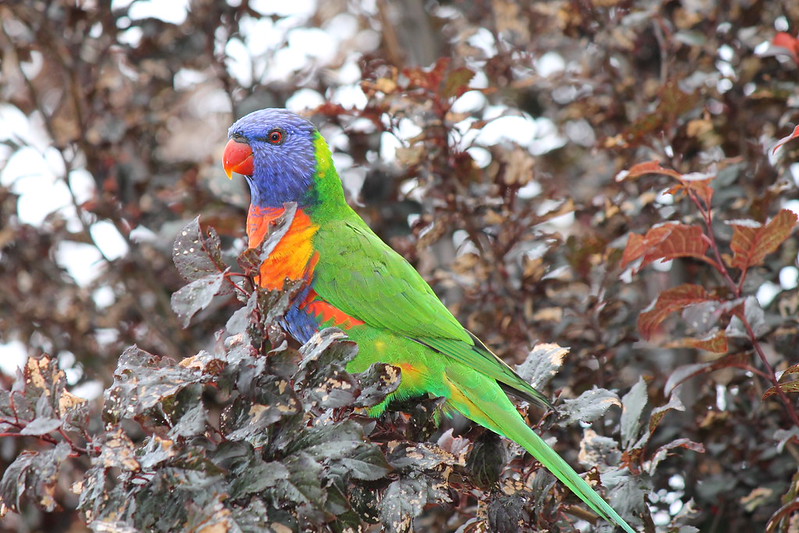
Birds capture attention wherever you travel, and with Zamunda Travels, many guests quickly notice that feathers define their beauty and survival. These unique structures are not just decorative; they play a vital role in how birds live, move, and adapt. When we ask why birds have feathers, we uncover a story of evolution, function, and survival that spans millions of years. From enabling flight to protecting against harsh weather, feathers remain one of nature’s most efficient and versatile adaptations.
The Role of Feathers in Flight and Movement
Flight stands as one of the most remarkable abilities in the animal kingdom, and feathers make it possible. They provide a broad, lightweight surface that allows birds to lift off the ground and glide with control. Wing and tail feathers work together to manage direction, speed, and balance during flight. In addition, their flexible structure reduces air resistance while maintaining strength. Even birds that cannot fly still rely on feathers for balance and movement. As you explore natural habitats with Zamunda Travels, you will notice how each species uses its feathers differently to move through its environment.
Insulation and Temperature Control in Changing Climates
Birds live in a wide range of climates, and feathers help them survive these conditions. They trap air close to the body, forming a natural insulation layer that keeps birds warm. During colder seasons, birds fluff their feathers to increase this insulation. On the other hand, they flatten them in warmer conditions to release heat. This ability to regulate temperature allows birds to remain active throughout the year. Travelers who journey across different ecosystems with Zamunda Travels often observe birds thriving in both cool highlands and hot savannahs.
Color, Display, and Social Communication
Feathers play a key role in how birds communicate and interact. Bright colors and patterns often signal health and strength, especially during mating seasons. Males in many species display vibrant plumage to attract females. At the same time, birds use feather positioning to express emotions such as fear or dominance. For example, a bird may puff up its feathers to appear larger when threatened. These visual signals help birds avoid conflict and maintain social order. Observing such behavior during guided experiences with Zamunda Travels adds depth to every wildlife encounter.
Protection Against Weather and Predators
Feathers serve as a strong line of defense against environmental challenges. They shield birds from rain, wind, and harmful sunlight. Many birds produce natural oils that coat their feathers, making them water-resistant. This feature allows them to stay dry even in wet conditions. In addition, feather patterns often provide camouflage, helping birds blend into their surroundings. This adaptation reduces the risk of being detected by predators. Whether in dense forests or open plains, this protective function remains essential for survival.
Sensory Functions and Balance in Flight
Some feathers act as sensitive tools that help birds detect changes in their environment. These specialized feathers respond to air pressure and movement, allowing birds to adjust quickly during flight. This sensory feedback improves stability and precision, especially when flying at high speeds or navigating tight spaces. It also supports activities such as hunting and landing. When watching birds in motion with Zamunda Travels, you can see how smoothly they react to their surroundings, thanks to these subtle yet powerful features.
From Ancient Creatures to Modern Birds
Feathers did not start with modern birds. Scientists believe that early feather-like structures appeared in certain dinosaurs long before birds existed. At first, these structures likely helped with insulation or display. Over time, they evolved into more complex forms that supported flight. This transformation highlights how feathers adapted to meet different needs across millions of years. Today’s birds carry this evolutionary history, making every sighting a connection to the distant past.
A Key to Survival and Adaptation
Feathers remain essential to the survival of birds in every habitat. They support flight, maintain body temperature, aid communication, and offer protection. Each function works together to help birds adapt and thrive in changing environments. When you travel with Zamunda Travels, understanding these roles turns simple birdwatching into a meaningful experience. It allows you to appreciate not just the beauty of birds, but also the science behind their success.