Top Budget Lodges in Rwanda for Affordable Safari Adventures
May 10, 2026
The Wonders of Queen Elizabeth National Park
May 10, 2026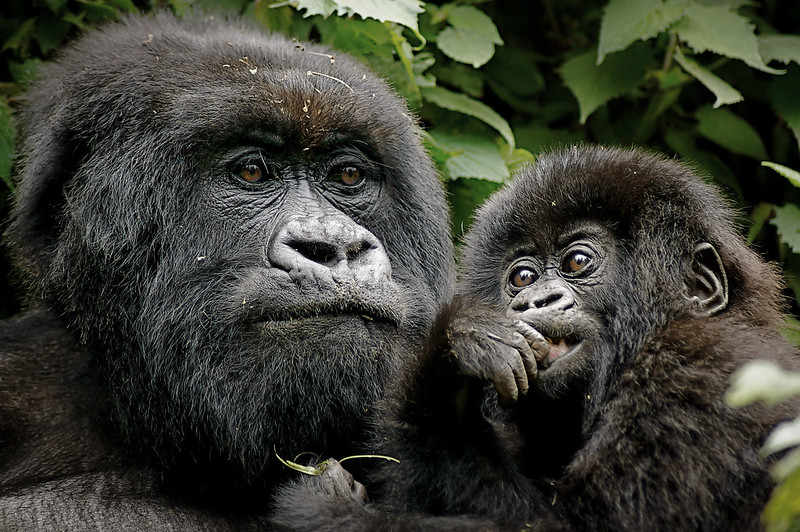
Uganda continues to attract travelers from around the world because of its exceptional primate experiences, breathtaking landscapes, and strong wildlife conservation programs. The country is home to endangered mountain gorillas, chimpanzees, golden monkeys, and several other primate species that thrive in protected forests and national parks. Recently, the Uganda Wildlife Authority announced new permit prices for primate activities, creating discussions across the tourism sector. Travelers planning gorilla trekking and chimpanzee tracking adventures now need updated information to prepare effectively for their safaris with trusted companies like Zamunda Travels.
The revised permit structure supports conservation efforts, improves tourism infrastructure, and strengthens community projects near protected areas. Uganda’s wildlife tourism industry has grown steadily over the years, increasing the demand for gorilla and chimpanzee permits. As a result, conservation authorities continue to adjust pricing policies to ensure sustainable tourism and better protection of endangered species. Zamunda Travels helps visitors understand these updates while organizing affordable and unforgettable safari experiences across Uganda.
Reasons Behind the New Permit Charges
The updated permit fees mainly aim to support long term wildlife conservation and maintain high quality tourism experiences in Uganda’s protected areas. Gorilla trekking and chimpanzee tracking depend heavily on strict conservation measures because primates are highly sensitive to diseases, habitat destruction, and human interference. Conservation authorities use tourism revenue to protect forests, train park rangers, strengthen anti-poaching operations, and improve visitor management systems.
Uganda also faces increasing international demand for primate tourism. Thousands of travelers visit the country every year to experience close encounters with mountain gorillas and chimpanzees in their natural habitats. The increase in permit prices helps regulate visitor numbers while ensuring that tourism continues to contribute directly to environmental protection and community development. Zamunda Travels encourages travelers to view the updated fees as part of responsible and sustainable tourism in East Africa.
Gorilla Trekking Costs in Uganda
Gorilla trekking remains Uganda’s most popular wildlife activity because it offers visitors a rare chance to spend time with endangered mountain gorillas in dense tropical forests. Travelers can enjoy gorilla trekking experiences in Bwindi Impenetrable National Park and Mgahinga Gorilla National Park. The new pricing structure affects foreign non-residents, foreign residents, and East African citizens differently, with residents of East Africa continuing to receive subsidized rates.
Despite the increase, Uganda still provides some of the most competitive gorilla trekking prices in Africa compared to neighboring destinations. Many travelers choose Uganda because it combines excellent trekking experiences with diverse safari activities, including wildlife game drives, birdwatching tours, cultural encounters, and nature walks. Zamunda Travels designs customized safari packages that allow travelers to enjoy these experiences comfortably while staying within their travel budgets.
Travelers should also remember that gorilla permits remain highly competitive throughout the year. Peak travel seasons often experience high demand, making early reservations essential for anyone planning a safari. Zamunda Travels assists visitors with advance permit bookings, accommodation arrangements, transportation, and complete safari planning services.
Chimpanzee Tracking Experiences in Uganda
Chimpanzee tracking has become one of Uganda’s fastest growing wildlife activities because of the country’s large chimpanzee populations and accessible forest habitats. Kibale Forest National Park remains the leading destination for chimpanzee trekking, although visitors can also track chimpanzees in Budongo Forest, Kyambura Gorge, and Kalinzu Forest. The revised permit structure also affects chimpanzee tracking activities in several popular destinations.
Chimpanzees offer exciting and energetic wildlife encounters because they actively move through the forest while feeding, grooming, and communicating with one another. Visitors often enjoy watching their human-like behaviors and complex social interactions. Revenue collected from chimpanzee permits helps conservation authorities protect forest ecosystems and maintain quality visitor experiences across Uganda’s tourism sector.
Zamunda Travels recommends combining chimpanzee tracking with gorilla trekking for travelers who want a complete primate safari experience in Uganda. This combination creates a richer wildlife adventure while allowing visitors to explore multiple national parks and scenic landscapes within one safari itinerary.
Positive Impact on Conservation and Communities
The updated permit pricing system brings important long term benefits to Uganda’s tourism industry and conservation programs. Increased tourism revenue strengthens wildlife protection efforts by supporting ranger patrols, habitat restoration projects, research activities, and anti poaching campaigns. These initiatives play a major role in protecting endangered gorillas, chimpanzees, and other wildlife species found within Uganda’s forests.
Local communities near national parks also benefit from tourism income generated through primate activities. Conservation authorities and tourism stakeholders use part of the revenue to support schools, healthcare services, water projects, and local employment opportunities. When communities benefit directly from tourism, they become stronger partners in wildlife conservation and environmental protection.
Improved visitor experiences also result from stronger tourism funding. National parks continue to improve roads, visitor facilities, safety standards, and ranger training programs. Zamunda Travels believes that sustainable tourism depends on balancing conservation goals with excellent travel experiences for visitors exploring Uganda’s natural attractions.
Planning a Safari After the Price Changes
Travelers planning primate safaris in Uganda should prepare early to avoid challenges during peak travel seasons. Advance bookings help visitors secure preferred trekking dates, comfortable lodges, and reliable transportation services. The busiest safari periods usually occur between June and September and between December and February because these months offer favorable trekking conditions.
Budget planning has also become more important for travelers visiting Uganda. Visitors should consider permit fees, accommodation costs, transportation expenses, porter services, guide fees, and optional safari activities while planning their trips. Zamunda Travels offers flexible safari packages designed for luxury travelers, mid-range tourists, and budget-conscious adventurers.
Travelers should also prepare physically because gorilla trekking and chimpanzee tracking involve hiking through forests, hills, and uneven terrain. Good hiking shoes, waterproof clothing, and basic fitness preparation greatly improve the overall safari experience in Uganda’s national parks.
Why Travelers Continue Choosing Uganda
Uganda remains one of Africa’s top safari destinations because of its incredible biodiversity, welcoming culture, and diverse tourism attractions. Visitors can combine primate tracking adventures with wildlife safaris, cultural tours, boat cruises, mountain hiking, and birdwatching expeditions. The country offers unique travel experiences that appeal to adventure seekers, photographers, nature lovers, and conservation enthusiasts.
Many travelers continue choosing Uganda because it delivers authentic wildlife encounters at relatively competitive prices compared to several international destinations. Zamunda Travels helps visitors maximize their safari experiences through personalized itineraries, professional guides, and carefully selected accommodations across East Africa.
The tourism sector in Uganda continues to evolve as conservation authorities focus on sustainability, wildlife protection, and community involvement. Travelers who plan carefully can still enjoy exceptional primate adventures while contributing positively to conservation efforts and local livelihoods.