MV Kazinga Channel: Exploring the Famous Boat Cruise in Queen Elizabeth National Park
May 11, 2026
Facts About UNESCO Sites in Uganda
May 11, 2026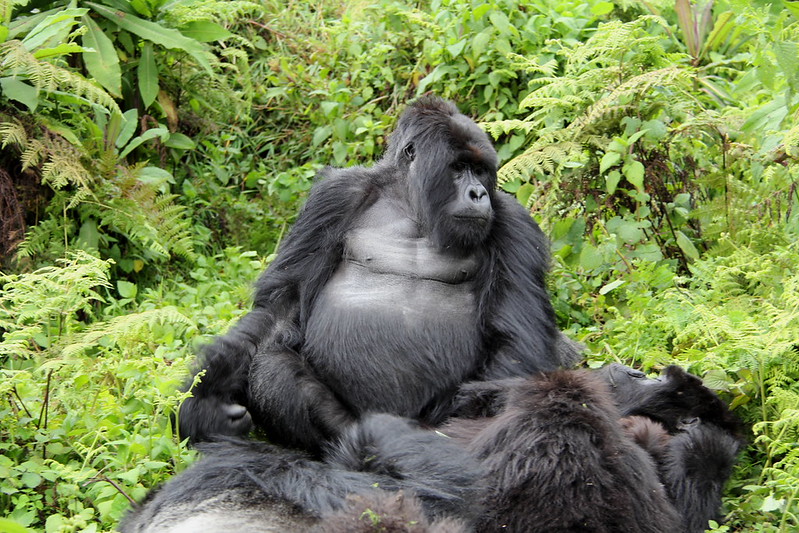
Deep within the ancient forests of southwestern Uganda lived one of Africa’s oldest indigenous communities, the Batwa pygmies. Long before tourists arrived for gorilla trekking and before conservation parks existed, the Batwa people shared the forest with endangered mountain gorillas. For centuries, they hunted, gathered wild fruits, collected medicinal plants, and survived in harmony with nature. Because of this close relationship with the forest, many people recognize the Batwa pygmies as the first tribe to see mountain gorillas in their natural habitat.
Today, travelers who visit gorilla destinations with Zamunda Travels can learn not only about gorilla conservation but also about the unique culture of the Batwa community. Their story adds depth to every safari experience in Uganda. It reveals how indigenous knowledge helped protect forests long before modern conservation programs started.
The History of the Batwa Pygmies and Mountain Gorillas
The Batwa pygmies lived for thousands of years in the dense forests surrounding Bwindi Impenetrable National Park and Mgahinga Gorilla National Park. These forests also became the natural home of endangered mountain gorillas. Since the Batwa depended on the forest for survival, they spent much of their lives moving through the same trails used by gorillas.
As the first tribe to see mountain gorillas regularly, the Batwa developed a deep understanding of gorilla behavior. They knew where gorillas nested, where they searched for food, and how they interacted within families. Unlike modern visitors who observe gorillas during short treks, the Batwa experienced daily life beside these gentle giants for generations.
The Batwa community respected gorillas because they believed the forest connected every living creature. They avoided unnecessary conflict with wildlife and used traditional knowledge to maintain balance in nature. This peaceful coexistence explains why many historians and conservation experts acknowledge the Batwa pygmies as important guardians of the forest ecosystem.
Batwa Pygmies First Tribe to See Mountain Gorillas in Uganda
The phrase “Batwa pygmies first tribe to see mountain gorillas” reflects more than history. It highlights a unique cultural connection between indigenous people and wildlife conservation in Uganda. Before colonial governments introduced national parks, the Batwa already understood the importance of preserving forest life.
When Uganda established protected areas in the early 1990s, conservation authorities relocated many Batwa families outside the forests. Although this move helped strengthen gorilla conservation efforts, it also changed the Batwa way of life forever. Many families lost access to ancestral lands, traditional medicines, and cultural practices that shaped their identity for centuries.
Today, cultural tourism helps preserve Batwa heritage. Visitors traveling with Zamunda Travels often participate in Batwa cultural encounters near Bwindi and Mgahinga. During these experiences, Batwa guides demonstrate ancient hunting skills, traditional dances, herbal medicine practices, and storytelling techniques that reveal their historical relationship with mountain gorillas.
How the Batwa Lived Alongside Mountain Gorillas
The Batwa pygmies survived through hunting and gathering. They used bows and arrows for hunting small animals, collected honey from forest hives, and gathered fruits, roots, and medicinal herbs. Since they moved carefully through the forest, they frequently encountered gorilla families.
Unlike poachers, the Batwa rarely harmed gorillas. Instead, they viewed them as fellow inhabitants of the forest. Their traditional knowledge allowed them to identify gorilla movements without disturbing them. This respectful interaction helped preserve wildlife populations in the region for many generations.
The Batwa also understood weather patterns, plant species, and water sources inside the forest. Because of this knowledge, modern conservation researchers have learned valuable lessons from indigenous Batwa traditions. Their experience continues to influence conservation discussions across East Africa.
Batwa Pygmies First Tribe to See Mountain Gorillas and Modern Tourism
Tourism in Uganda has transformed significantly over the years. Gorilla trekking now attracts thousands of travelers from around the world. However, many visitors want more than wildlife encounters. They also seek authentic cultural experiences that explain the human history behind gorilla habitats.
For this reason, Batwa cultural tourism has become an important part of many safari itineraries. Travelers booking trips through Zamunda Travels can combine gorilla trekking with Batwa community visits. These experiences create meaningful interactions between visitors and indigenous communities.
During Batwa tours, visitors can enter recreated forest shelters, listen to traditional songs, and watch ancient fire-making demonstrations. Local guides explain how their ancestors once shared the forest with mountain gorillas before conservation boundaries changed their lives. These stories create a stronger emotional connection to Uganda’s wildlife heritage.
Challenges Facing the Batwa Community Today
Although tourism has created new opportunities, many Batwa families still face serious challenges. Poverty, limited education, and land shortages continue to affect their communities. Many former forest dwellers struggled to adapt to settled village life after relocation from protected areas.
Several organizations now support Batwa education, healthcare, and cultural preservation projects. Tourism revenue also contributes to some community development initiatives. Responsible tourism companies like Zamunda Travels encourage ethical travel experiences that respect local traditions while supporting sustainable livelihoods.
Travelers can help by choosing community-based tours, purchasing handmade crafts, and learning about Batwa history during their safaris. These small actions help preserve one of Africa’s oldest surviving indigenous cultures.
Why the Batwa Story Matters in Gorilla Conservation
The story of the Batwa pygmies first tribe to see mountain gorillas reminds travelers that conservation involves both people and wildlife. Protecting gorillas alone cannot preserve the full history of Uganda’s forests. Indigenous communities also deserve recognition for their role in safeguarding natural ecosystems.
The Batwa people carried generations of environmental knowledge that modern conservationists continue to appreciate today. Their understanding of forest ecosystems demonstrates how humans and wildlife can coexist peacefully when mutual respect exists.
As gorilla tourism grows in popularity, cultural education becomes increasingly important. Visitors who learn about Batwa history gain a deeper appreciation for Uganda’s conservation journey. They also understand that protecting nature requires support for local communities.
Best Places to Experience Batwa Culture in Uganda
Travelers interested in Batwa cultural experiences should visit southwestern Uganda, especially areas surrounding Bwindi and Mgahinga. These destinations offer opportunities to combine gorilla trekking with authentic community encounters.
Popular Batwa experiences include guided forest walks, traditional dance performances, storytelling sessions, and visits to local homesteads. Many travelers describe these cultural activities as the highlight of their Uganda safari because they provide emotional and historical insight beyond wildlife viewing.
With Zamunda Travels, visitors can enjoy customized itineraries that combine gorilla trekking, Batwa cultural experiences, birding tours, and scenic adventures across Uganda’s national parks.
In conclusion, the Batwa pygmies remain an important part of Uganda’s cultural and conservation history. As the first tribe to see mountain gorillas, they shared the forest with these endangered primates for countless generations. Their traditional knowledge, survival skills, and respect for nature shaped the forests long before modern tourism emerged.
Today, travelers who visit Uganda can honor this heritage by supporting responsible tourism and learning about Batwa culture during their safari experiences. Through cultural encounters organized by Zamunda Travels, visitors gain a deeper understanding of the people who once called the gorilla forests home.
The Batwa story continues to inspire conservation efforts while reminding the world that culture and wildlife protection must work together for a sustainable future.