Batwa Pygmies: The First Tribe to See Mountain Gorillas
May 11, 2026
12 Surprisingly Facts About Hippos in Africa
May 11, 2026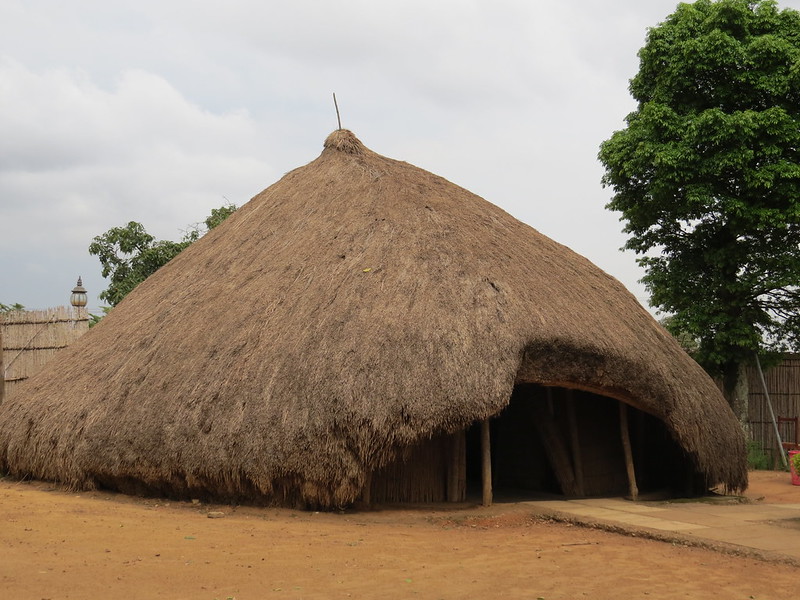
Uganda stands among Africa’s most gifted destinations for culture, wildlife, and natural beauty. The country protects several remarkable places recognized by the UNESCO for their outstanding value to humanity. These places preserve rare ecosystems, ancient traditions, and historic landmarks that continue to shape Uganda’s tourism and conservation story. Many travelers visit Uganda for gorilla trekking and wildlife safaris. However, few realize that the country also hosts globally recognized heritage treasures. From ancient royal tombs to mist covered mountain forests, UNESCO sites in Uganda offer unforgettable travel experiences filled with history, biodiversity, and cultural pride. Through expertly guided safaris, Zamunda Travels helps visitors explore these destinations while learning the stories behind each heritage site.
Bwindi UNESCO Site in Uganda Protects Half of the World’s Mountain Gorillas
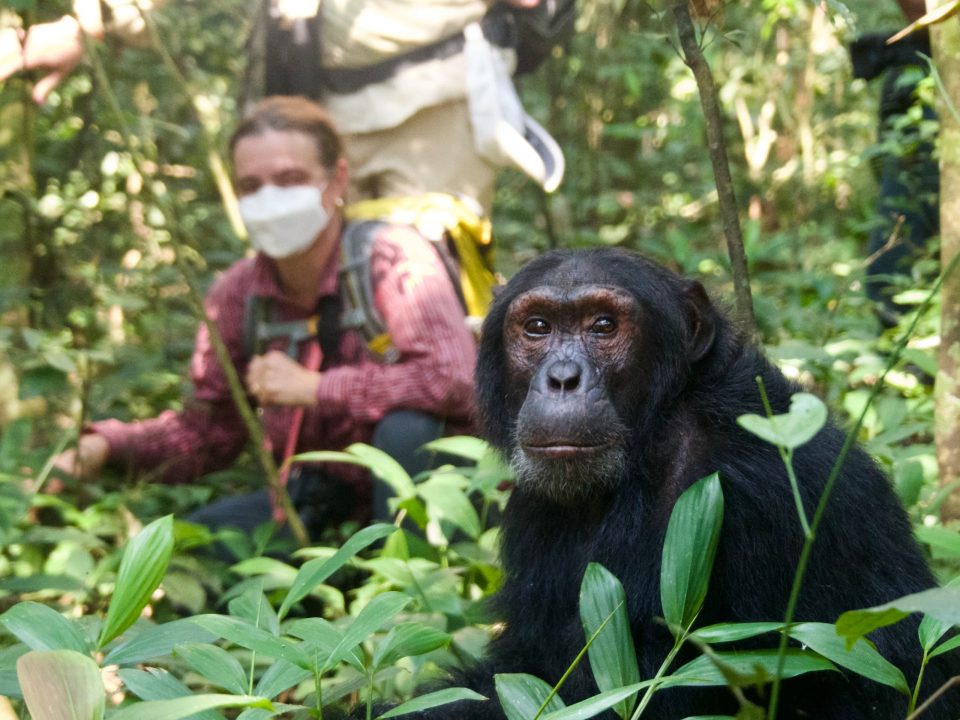
Bwindi Impenetrable National Park remains one of the most famous UNESCO sites in Uganda because it shelters almost half of the world’s remaining mountain gorillas. UNESCO declared the park a World Heritage Site in 1994 due to its exceptional biodiversity and ancient rainforest ecosystem. The forest stretches across steep hills and thick vegetation in southwestern Uganda near the border of Rwanda and Democratic Republic of the Congo. Scientists believe this forest survived the last Ice Age, making it one of Africa’s oldest ecosystems.
Travelers who visit Bwindi enjoy much more than gorilla trekking. The park also hosts over 350 bird species, hundreds of butterfly species, and many rare mammals. Furthermore, the forest supports the cultural heritage of the indigenous Batwa people who once lived within the forest before conservation programs relocated them. Zamunda Travels organizes guided gorilla safaris that allow travelers to encounter these gentle giants while supporting wildlife conservation and local communities. Every trek inside Bwindi offers visitors a deeper understanding of why UNESCO sites in Uganda hold global importance.
Rwenzori UNESCO Sites in Uganda Feature Africa’s Legendary Mountains
Rwenzori Mountains National Park stands among the most spectacular UNESCO sites in Uganda because of its dramatic scenery, glaciers, waterfalls, and alpine vegetation. UNESCO listed the park as a World Heritage Site in 1994 because of its exceptional natural beauty and ecological significance. The mountain range stretches along the Uganda–Congo border and includes Margherita Peak, the third highest mountain in Africa.
Many travelers call the Rwenzori Mountains the “Mountains of the Moon” because ancient geographers believed these snow-capped peaks fed the River Nile. Unlike other African mountains, the Rwenzori range supports unique vegetation zones filled with giant lobelias, moss covered trees, and colorful alpine plants. The mountain ecosystem also supports rare wildlife species such as forest elephants, chimpanzees, and endemic birds.
Adventure travelers often hike through the mountains for several days while crossing rivers, glaciers, valleys, and bamboo forests. Zamunda Travels helps visitors experience the beauty of this UNESCO treasure through guided trekking adventures designed for both experienced climbers and nature lovers. Among all UNESCO sites in Uganda, the Rwenzori Mountains offer one of the continent’s most dramatic landscapes.
Kasubi UNESCO Sites in Uganda Preserve the Legacy of Buganda Kings
Kasubi Tombs represents one of the most important cultural UNESCO sites in Uganda because it preserves the spiritual and political heritage of the Buganda Kingdom. UNESCO recognized the Kasubi Tombs as a World Heritage Site in 2001 because of their cultural significance and unique traditional architecture. The site serves as the burial ground for several Buganda kings known locally as Kabakas.
The main tomb structure features traditional building materials such as reeds, wood, grass, and bark cloth. Skilled artisans constructed the tombs using ancient techniques passed down through generations. The site also acts as a spiritual center where royal rituals and cultural ceremonies continue today. Although a fire damaged the main structure in 2010, restoration efforts continue to preserve the site’s authenticity and historical value.
Visitors who tour the Kasubi Tombs learn about Buganda traditions, leadership systems, and the kingdom’s influence on Uganda’s history. Cultural guides explain the symbolism behind each structure and introduce travelers to customs that remain important in modern Buganda society. Zamunda Travels includes cultural heritage tours that help visitors appreciate the living traditions behind UNESCO sites in Uganda.
UNESCO Sites in Uganda Support Wildlife Conservation and Sustainable Tourism
UNESCO recognition helps Uganda protect endangered wildlife, fragile ecosystems, and historic cultural sites from destruction. Conservation programs in places like Bwindi and the Rwenzori Mountains support biodiversity protection while creating jobs for local communities. Tourism revenue also funds schools, healthcare services, and conservation education programs near these heritage sites.
Responsible tourism plays a major role in preserving UNESCO sites in Uganda for future generations. Travelers who follow park rules, respect cultural traditions, and support local businesses contribute directly to sustainable tourism. Zamunda Travels promotes eco friendly safaris that encourage conservation awareness and responsible travel practices across Uganda’s protected areas.
Uganda’s UNESCO sites continue to attract researchers, conservationists, photographers, and adventure travelers from around the world. These places protect more than landscapes and buildings because they also preserve stories, traditions, and ecosystems that belong to humanity. Every visit creates an opportunity to support conservation while experiencing the beauty and cultural richness that make Uganda one of Africa’s most rewarding destinations.
Why UNESCO Sites in Uganda Matter to Travelers
UNESCO sites in Uganda offer travelers a chance to explore destinations that combine history, culture, wildlife, and adventure within one country. Visitors can track endangered mountain gorillas in ancient rainforests, climb snow-capped mountains near the equator, and discover centuries-old royal traditions in the heart of Kampala. Few destinations in Africa provide such diverse experiences within a single travel itinerary.
These heritage sites also strengthen Uganda’s reputation as a leading safari and cultural tourism destination. International recognition from UNESCO increases awareness about conservation and encourages global efforts to protect these treasures. Through carefully planned safaris, Zamunda Travels helps visitors experience the beauty, significance, and authenticity of Uganda’s World Heritage Sites while creating unforgettable travel memories.