What Is the Distance from Entebbe International Airport to Queen Elizabeth National Park?
August 5, 2026
Uganda vs Rwanda Gorilla Trekking: Which Is Better?
August 6, 2026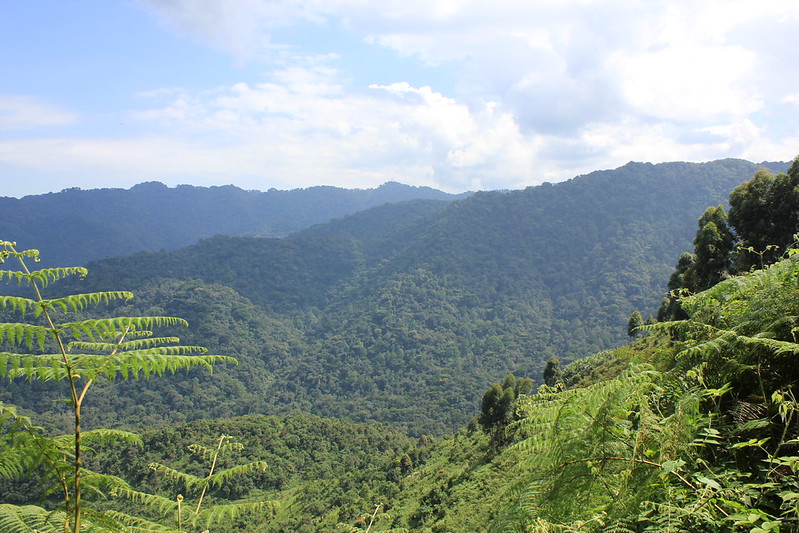
Most gorilla trekking adventures in Uganda begin at the same spot: the arrivals hall of Entebbe International Airport. From there, travelers immediately ask one practical question; what is the distance from Entebbe International Airport to Bwindi, and how long will the journey actually take? At Zamunda Travels, our guests ask this question every single week, so we built this complete guide to answer it in full detail, using verified road and flight data, so you can plan your gorilla safari with total confidence.
The short answer is that Bwindi Impenetrable National Park sits roughly 450 to 550 kilometers from Entebbe International Airport, depending on which of the four trekking sectors you visit. The long answer, however, involves road conditions, flight options, rest stops, and sector-by-sector logistics, and that is exactly what Zamunda Travels breaks down for you below.
Understanding the Distance from Entebbe International Airport to Bwindi
Entebbe International Airport sits about 40 kilometers south of Kampala, perched on a peninsula that juts into Lake Victoria. From that peninsula, the road journey toward southwestern Uganda covers roughly 500 kilometers before it reaches the misty ridges of Bwindi Impenetrable Forest. The exact figure shifts a little because Bwindi is not one single point on a map; it is a vast national park with four distinct trekking sectors, and each sector adds or subtracts a few kilometers from the total.
Zamunda Travels always tells clients to think of the distance from Entebbe International Airport to Bwindi as a range rather than a fixed number. Buhoma, in the north, sits closer to Entebbe than Rushaga or Nkuringo in the south. Ruhija falls somewhere in the middle. Consequently, your driving time can stretch from around 8 hours on the shortest route to nearly 11 hours on the longest one, particularly during the rainy season when murram roads slow every vehicle down.
Driving Distance from Entebbe International Airport to Bwindi by Road
By road, most vehicles cover between 480 and 550 kilometers, and the drive generally takes 8 to 11 hours. The route usually runs from Entebbe through Kampala, then continues to Mbarara and Kabale before branching toward Kanungu and Buhoma, or toward Kisoro for the Rushaga and Nkuringo sectors. The tarmac stretch between Kampala and Kabale covers about 414 kilometers and takes roughly 5 to 6 hours because the surface stays smooth and well-maintained. After Kabale, though, the final leg turns onto murram roads, and drivers should expect a bumpier, slower ride through Kanungu toward the park boundary.
Because the drive is long, Zamunda Travels usually recommends splitting it across two days rather than pushing straight through in one sitting. Breaking the journey at Lake Mburo National Park or in Mbarara town gives travelers a chance to stretch, spot wildlife, and arrive at Bwindi refreshed rather than exhausted.
Flying Distance from Entebbe International Airport to Bwindi by Air
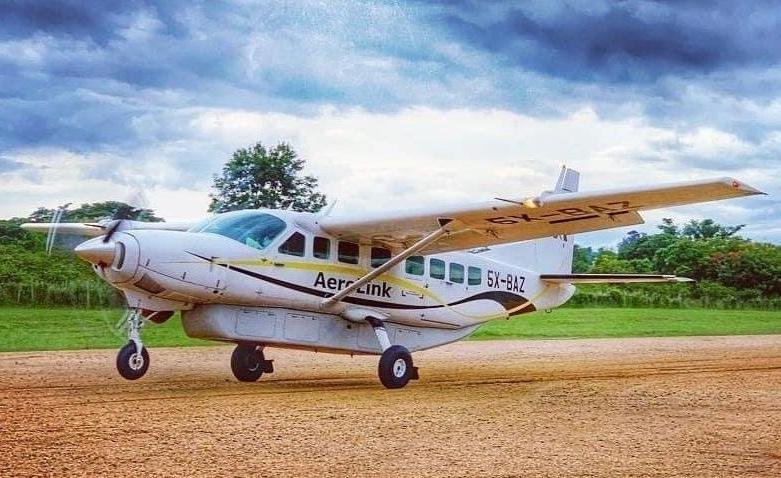
Travelers who prefer speed over scenery can skip the long road trip entirely. Scheduled and chartered flights depart from Entebbe or the nearby Kajjansi Airfield and land at either Kihihi Airstrip, which serves the Buhoma and Ruhija sectors, or Kisoro Airstrip, which serves Rushaga and Nkuringo. These flights cover the same distance in around 1.5 to 2 hours, cutting a nine hour ordeal down to a short hop over Uganda’s green hills and crater lakes. Airlines such as Aerolink Uganda and Bar Aviation Uganda operate these routes daily, and Zamunda Travels can arrange both the flight booking and the ground transfer from the airstrip to your lodge.
How to Get to Bwindi Forest for Gorilla Trekking
Reaching Bwindi Forest for gorilla trekking essentially comes down to two choices: drive or fly, and each option suits a different type of traveler. Families on a tight schedule, honeymooners with limited vacation days, or anyone who simply dislikes long car rides tends to choose the flight option, since it protects precious holiday time for the forest itself rather than the highway. Budget-conscious travelers and photographers who want to capture rural Uganda along the way, on the other hand, often prefer the overland route, because it passes through banana plantations, tea estates, and small trading towns that no airplane window can show you.
Zamunda Travels designs both types of itineraries, and our guides always brief clients on realistic timing before departure. If you fly, you still need a road transfer of one to two hours from the airstrip to your lodge, so build that into your day. If you drive, plan an early morning departure from Entebbe so you reach Bwindi before nightfall, since Uganda’s rural roads are best navigated in daylight.
Different Options to Bwindi: Buhoma, Ruhija, Nkuringo, and Rushaga
Bwindi Impenetrable National Park splits into four trekking sectors, and choosing the right one changes both your travel distance and your overall experience. Buhoma, the oldest and most developed sector, sits in the north and offers the widest range of lodges, from budget campsites to luxury eco lodges. Ruhija occupies the eastern edge of the park and rewards visitors with cooler temperatures, birdwatching, and views over the Albertine Rift Valley. Nkuringo, perched on a ridge in the southwest, delivers arguably the most dramatic scenery in the entire park, while Rushaga, just a short drive from Nkuringo, hosts the largest number of habituated gorilla families and remains the only sector where the gorilla habituation experience takes place.
Because each sector adds a different number of kilometers onto the base distance from Entebbe International Airport to Bwindi, Zamunda Travels always asks clients which gorilla family or activity interests them before recommending a route. Rushaga and Nkuringo sit closer to Kisoro town, roughly 39 kilometers away, while Buhoma connects more directly to Kabale, about 90 kilometers north. That single decision shapes your entire itinerary, your driving time, and even which airstrip you should fly into.
The Equator Experience: A Perfect Lunch Stop on the Journey
Roughly 72 kilometers south of Kampala, the road crosses the Equator at Kayabwe, and Zamunda Travels treats this spot as a mandatory stop on every overland journey to Bwindi. Travelers step across the painted line that marks zero degrees latitude, snap photos with one foot in the northern hemisphere and one in the southern hemisphere, and watch a simple water-and-funnel demonstration that shows the Coriolis effect in action. Craft stalls line the roadside, selling wood carvings, baskets, and colorful fabric, while nearby restaurants serve a relaxed lunch overlooking the rolling countryside.
This stop breaks up what would otherwise feel like a monotonous drive, and it gives travelers a memorable photo opportunity before the terrain begins its dramatic climb toward the mountains of southwestern Uganda. Zamunda Travels builds a 45-minute window into every itinerary specifically for this experience, because our guests consistently rank it among their favorite roadside memories.
Best Time to Visit Bwindi Impenetrable National Park
Uganda’s climate splits roughly into two dry seasons and two wetter periods, and each one changes the gorilla trekking experience in a different way. The dry months, running from June through September and again from December through February, offer firmer trails, easier hiking, and generally clearer mountain views, which is why most international visitors choose these windows. The wetter months, particularly April, May, and November, bring heavier rainfall and muddier paths, yet they also bring lush vegetation, fewer crowds, and discounted gorilla permits.
Zamunda Travels often steers budget travelers toward the low season, since permit prices drop and lodges reduce their rates, while the forest itself looks even more vibrant after the rains. Whichever season you choose, pack for changeable mountain weather, because Bwindi sits at a high altitude where conditions shift quickly regardless of the calendar.
What to Do and See in Bwindi
Gorilla trekking understandably draws the most attention, yet Bwindi offers far more than a single activity. The forest holds over 400 mountain gorillas, alongside a healthy population of habituated chimpanzees, more than 350 bird species, and a rich tapestry of butterflies and forest flora that reward slow walks along the marked trails. Guided nature walks lead visitors past waterfalls and through dense bamboo stands, while community visits introduce travelers to the Batwa people, the forest’s original inhabitants, who share their traditional knowledge of the land through storytelling and cultural performances.
Zamunda Travels frequently pairs gorilla trekking with a Batwa cultural encounter or a guided birding walk, since both activities add depth to a trip without requiring an extra travel day. Visitors who stay two or three nights in the park, rather than rushing through in a single overnight stop, consistently report a richer, more memorable experience.
What Is the Difference Between Gorilla Trekking and Gorilla Habituation Experience in Bwindi?
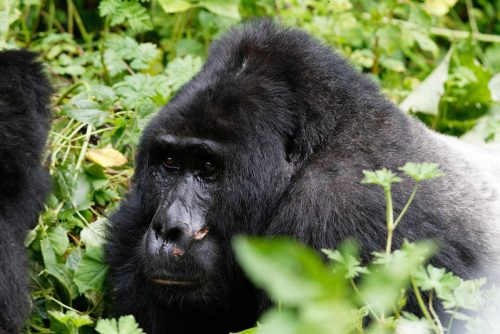
Many first-time visitors confuse these two activities, so Zamunda Travels always explains the distinction clearly before booking. A standard gorilla trekking permit grants one hour with a fully habituated gorilla family, once your group locates them in the forest, and it costs around 800 US dollars for foreign non-residents during the standard season, dropping to roughly 600 US dollars during the April, May, and November low season. The gorilla habituation experience, by contrast, allows visitors to spend up to four hours with a gorilla family that is still undergoing the habituation process, walking alongside researchers and rangers as they observe and record the gorillas’ behavior. This deeper experience costs around 1,500 US dollars per person and takes place exclusively in the Rushaga sector.
Because the habituation experience limits group sizes even further than standard trekking, Zamunda Travels recommends booking it several months in advance. Travelers who want a longer, more research-focused encounter with the gorillas should choose habituation, while those who prefer a shorter, more traditional wildlife viewing moment should stick with standard trekking.
How to Purchase a Gorilla Trekking Permit for Bwindi
The Uganda Wildlife Authority issues every gorilla trekking permit, and only a limited number become available each day, since park rules cap visitor numbers at eight people per habituated gorilla family. Because demand regularly outpaces supply during peak months, Zamunda Travels advises clients to book permits three to six months ahead of their intended trekking date, especially for July, August, and the December holiday season.
Rather than navigating the booking process alone, most travelers work through a licensed tour operator, since operators like Zamunda Travels can check real-time availability, secure the permit, and combine it with transport, accommodation, and park entry fees into one seamless package. Once your permit is confirmed, keep a printed or digital copy alongside your passport, since park rangers check it before every trek begins.
What to Pack for Gorilla Trekking in Bwindi Forest
Bwindi’s terrain is steep, muddy, and thickly vegetated, so the right gear genuinely changes how much you enjoy the trek. Sturdy, waterproof hiking boots matter more than almost any other item, since trails often turn slippery after rain, and gaiters help keep safari ants and mud off your lower legs. Long sleeved shirts and trousers in neutral colors protect your skin from stinging nettles and thorny undergrowth, while a lightweight rain jacket handles Bwindi’s unpredictable mountain showers.
Zamunda Travels also recommends packing gardening gloves for gripping vines on steep sections, a wide brimmed hat for sun protection, insect repellent, and a small daypack for water, snacks, and your camera. Porters are available at the trailhead for a modest fee, and hiring one supports the local community while lightening your load for the climb ahead.
Where to Sleep and Eat Near Bwindi and Kibale National Park
Accommodation around Bwindi ranges from simple community campsites to award winning luxury lodges, and most properties cluster near the trailhead of each sector. Buhoma offers the widest selection, with lodges perched on the forest edge serving hearty Ugandan and international dishes, while Rushaga and Nkuringo host smaller, more intimate camps with panoramic views over the Virunga volcanoes. Travelers who combine their Bwindi trip with chimpanzee tracking in Kibale National Park, roughly 350 kilometers from Entebbe, will find a similar mix of forest lodges and guesthouses near Kibale’s Kanyanchu trailhead, many of which serve farm to table meals grown in the surrounding fertile hills.
Zamunda Travels partners with a curated list of properties across both destinations, matching your budget and comfort preferences to a lodge that fits your itinerary. Whether you want a rustic banda with a shared bathroom or a private cottage with a fireplace and forest view, our team handles the booking so you can focus on the wildlife.
Planning Your Journey with Zamunda Travels
Understanding the distance from Entebbe International Airport to Bwindi is only the first step in planning a successful gorilla safari. Road conditions change with the seasons, flight schedules shift, and permit availability fluctuates throughout the year, which is why so many travelers choose to plan their trip with an experienced local partner. Zamunda Travels has guided hundreds of visitors along both the overland route and the scenic flight path to Bwindi, and our team tailors every itinerary around your budget, fitness level, and travel dates.
Whether you dream of trekking through misty bamboo forests to meet a family of mountain gorillas, or you simply want a smooth, well organized transfer from Entebbe to southwestern Uganda, Zamunda Travels turns that journey into an unforgettable part of your African adventure.