Best Rwanda Gorilla Safaris
November 16, 2024
Where to See Gorillas in Africa
December 12, 2025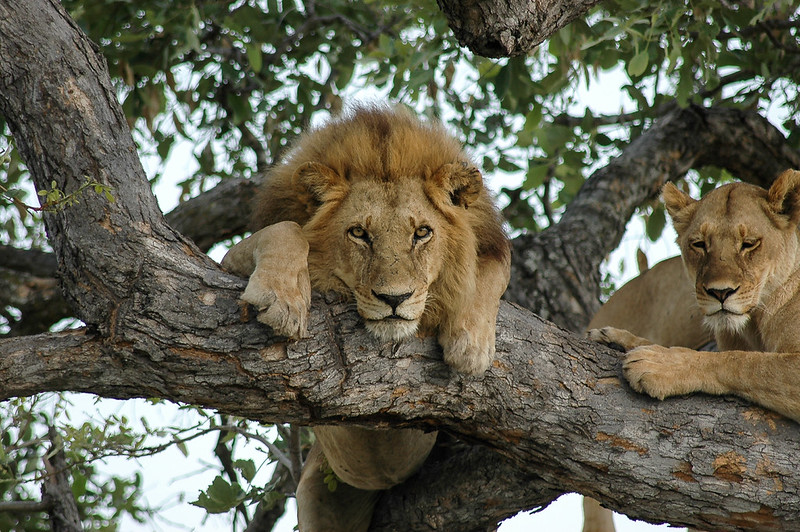
The Unique Pride of Ishasha
Uganda is one of Africa’s most remarkable wildlife destinations, and Queen Elizabeth National Park stands out as a jewel within its conservation landscape. In the remote southern sector of the park, Ishasha, visitors witness one of nature’s rarest behaviors lions that climb and rest in giant fig trees. These are famously known as the tree climbing lions of Ishasha, and they have become a major attraction for travelers seeking authentic wildlife experiences. Unlike typical lions that remain on the ground, these lions have adapted to spend long hours lounging on branches, especially during the hot midday sun. Zamunda Travels organizes guided safaris to this region, offering travelers a chance to observe this extraordinary behavior in its natural setting while learning about the ecosystem that supports it.
The experience of seeing lions resting high above the savannah changes how visitors understand predator behavior in Africa. It combines scenic landscapes, rich biodiversity, and rare wildlife interactions that cannot easily be found elsewhere. Ishasha offers open plains, scattered acacia woodlands, and iconic fig trees that create perfect resting platforms for these big cats. Through expert-guided safaris by Zamunda Travels, travelers gain not only sightings but also meaningful interpretation of lion behavior, conservation challenges, and park ecology.
Why they climb trees
The behavior of lions climbing trees in Ishasha has fascinated researchers and tourists for decades. While lions are not naturally adapted for arboreal life like leopards, the lions in this region regularly climb large fig and acacia trees. Scientists believe they do this mainly to escape the heat, avoid biting insects, and enjoy a better view of their territory. The elevated position allows them to catch cooler breezes, especially during the dry season when ground temperatures rise significantly.
Another key reason for this behavior is comfort and social bonding. Lions often lie together on thick branches, resting in groups while scanning the plains below. This creates a striking visual contrast between the powerful predator and the delicate branches they occupy. Zamunda Travels guides explain that this behavior is unique to Ishasha’s ecosystem and is rarely observed in other lion populations across Africa. The combination of environment, climate, and learned behavior within prides contributes to this rare adaptation.
Best time and where to see them in Queen Elizabeth National Park
The best place to observe the tree climbing lions of Ishasha is the southern sector of Queen Elizabeth National Park, near the border with the Democratic Republic of Congo. This area is less crowded than the northern circuit, which allows for a more intimate safari experience. Travelers often spot lions along the Ishasha plains road, especially during early morning or late afternoon game drives.
The dry seasons, from June to September and December to February, offer the highest chances of sightings. During these months, lions climb trees more frequently to escape heat and to rest after hunting. Zamunda Travels schedules well-timed safari drives during these periods, increasing the likelihood of witnessing lions in trees. Visitors also enjoy sightings of elephants, Uganda kobs, topis, and buffaloes that share the same ecosystem.
Unlike traditional game drives, Ishasha requires patience and attention. Lions may be resting high in fig trees, blending with branches, making expert guidance essential. Zamunda Travels ensures experienced drivers and guides track pride movements, helping guests maximize their wildlife encounters.
Safari experience with Zamunda Travels
A safari to Ishasha becomes more memorable when guided by experts who understand both wildlife behavior and the landscape. Zamunda Travels designs immersive journeys that go beyond simple game viewing. Travelers move through vast savannahs while learning how lions interact with their environment and how local communities coexist with wildlife.
The safari experience often begins in Queen Elizabeth National Park’s northern sector before transitioning to Ishasha. This journey allows visitors to compare landscapes and wildlife behavior across different ecosystems. As the safari progresses, anticipation builds for the moment when lions appear in trees, resting peacefully above the golden grasslands.
Zamunda Travels also emphasizes responsible tourism. Guests receive guidance on maintaining safe distances, respecting animal space, and minimizing environmental impact. This approach ensures that future generations can continue to enjoy the sight of tree climbing lions in their natural habitat. The combination of adventure, education, and conservation awareness makes the Ishasha safari one of Uganda’s most rewarding wildlife experiences.
Conservation and the Future of Tree Climbing Lions in Ishasha
The tree climbing lions of Ishasha face both natural and human-related challenges. Habitat pressure, human-wildlife conflict, and changing climate patterns can influence their behavior and survival. Conservation efforts within Queen Elizabeth National Park focus on protecting habitats and promoting coexistence between wildlife and surrounding communities.
Zamunda Travels supports conservation awareness by educating travelers about the importance of protecting lion populations. Tourism revenue also contributes to park management and local community development. When visitors choose responsible safari operators, they directly support the survival of these rare lion behaviors and the ecosystems that sustain them.
A Rare Wildlife Experience in Uganda
Seeing lions resting in trees is one of the most extraordinary wildlife experiences in Africa. Ishasha offers a rare chance to witness this behavior in a natural, untouched setting. With the guidance of Zamunda Travels, travelers enjoy not only sightings but also a deeper understanding of ecology, conservation, and animal behavior. The tree climbing lions of Ishasha continue to symbolize Uganda’s rich biodiversity and remain a must-see highlight for anyone visiting Queen Elizabeth National Park.