How Big Is a Giraffe’s Heart? A Deep Look into Nature’s Tallest Circulatory Marvel
April 29, 2026
Why Do Primates Often Sit at the Top of Trees?
April 29, 2026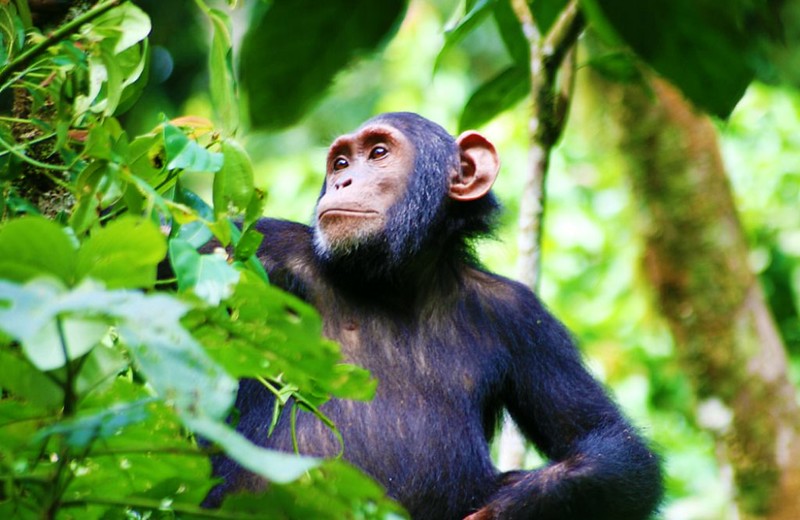
Primates rarely make noise without purpose, so when they begin to call excitedly, something important is happening in their environment. From the dense forests of Africa to the tropical canopies of South America, species like chimpanzee and vervet monkey use vocalizations as a powerful communication system. These calls can signal danger, food discovery, social bonding, or even territorial disputes. For travelers exploring wildlife destinations with Zamunda Travels, understanding these sounds transforms a simple safari into a deeper, more meaningful experience. Instead of just observing animals, you begin to interpret their behavior in real time, which creates a stronger connection to nature.
What Does It Mean If Primates Call Excitedly in the Wild?
When primates call excitedly, they often react to a sudden change in their surroundings. In many cases, this behavior signals the presence of food or a potential threat. For example, chimpanzees produce loud pant-hoots when they discover a rich food source like ripe fruit. These calls quickly attract other group members, which helps strengthen social bonds while ensuring everyone benefits from the find. Similarly, vervet monkeys use distinct alarm calls to warn others about predators such as snakes, leopards, or eagles. Each call carries a specific meaning, which allows the group to respond correctly and increase their chances of survival.
Moreover, excited calling can also reflect emotional states. Primates are highly social animals, so they express joy, anticipation, or even anxiety through vocalizations. Researchers like Jane Goodall have documented how chimpanzees use different tones and rhythms to communicate complex social information. As a result, these calls are not random noise but structured signals shaped by evolution and social learning.
Social Signals: Why Primates Call Excitedly During Group Interactions
Primates rely heavily on group living, so communication plays a central role in maintaining order and cohesion. When primates call excitedly during social interactions, they often reinforce relationships within the group. Grooming sessions, reunions after separation, or the arrival of a dominant individual can all trigger bursts of vocal activity. These calls help establish hierarchy and reduce conflict by signaling intentions clearly.
In addition, young primates learn communication by observing adults. They mimic calls and gradually refine their vocal skills, which ensures the survival of communication patterns across generations. This learning process highlights the intelligence of primates and explains why their vocal systems are considered among the most advanced in the animal kingdom.
For travelers booking primate tracking experiences with Zamunda Travels, these social calls offer valuable clues. Guides often interpret the sounds to locate groups or predict their movement. Therefore, understanding these vocal signals enhances both safety and enjoyment during wildlife encounters.
What Does It Mean If Primates Call Excitedly Around Food Sources?
Food discovery often triggers some of the most intense vocalizations in primates. When primates call excitedly around food, they signal abundance and opportunity. In species like chimpanzees, individuals may produce loud, rhythmic calls that echo through the forest. These sounds attract group members quickly, which helps strengthen cooperation and reduces the risk of conflict over resources.
However, not all food-related calls are cooperative. In some cases, individuals may adjust their vocal behavior depending on social dynamics. For example, a lower-ranking primate might remain quieter to avoid attracting dominant individuals. This strategic use of vocalization shows that primates do not just react instinctively; they also make calculated decisions based on their social environment.
For eco-tourists traveling with Zamunda Travels, witnessing such behavior offers a rare glimpse into the complexity of wildlife interactions. It also emphasizes the importance of preserving natural habitats where these behaviors can continue undisturbed.
Alarm Calls and Survival: What Does It Mean If Primates Call Excitedly in Danger?
One of the most critical reasons primates call excitedly is to warn others of danger. Alarm calls are highly specialized and often vary depending on the type of predator. Vervet monkeys, for instance, produce different calls for aerial and ground threats. When they spot an eagle, they emit a sharp call that sends others running for cover in dense vegetation. In contrast, a snake sighting triggers a different sound, prompting individuals to stand upright and scan the ground carefully.
These alarm systems highlight the evolutionary advantage of communication. By alerting the group quickly, primates increase their chances of survival. Furthermore, young individuals learn to recognize these calls early in life, which ensures they respond correctly in dangerous situations.
For travelers exploring Uganda’s forests with Zamunda Travels, hearing these alarm calls can signal the presence of predators or other wildlife nearby. This adds an element of excitement and discovery to every journey while reinforcing the importance of experienced guides.
Decoding Excited Calls in Primates
Understanding what it means if primates call excitedly opens a window into their complex world. These vocalizations reveal information about food, danger, emotions, and social structure. They show that primates are not only intelligent but also deeply connected to their environment and each other. For anyone traveling with Zamunda Travels, learning to interpret these sounds transforms wildlife viewing into an immersive and educational experience. Instead of simply observing animals, you begin to understand their language, which makes every moment in the wild more meaningful.