What Does It Mean If Primates Call Excitedly? Understanding the Language of the Wild
April 29, 2026
Why Do Mature Vervet Monkeys Have Brightly Coloured Genitals?
April 29, 2026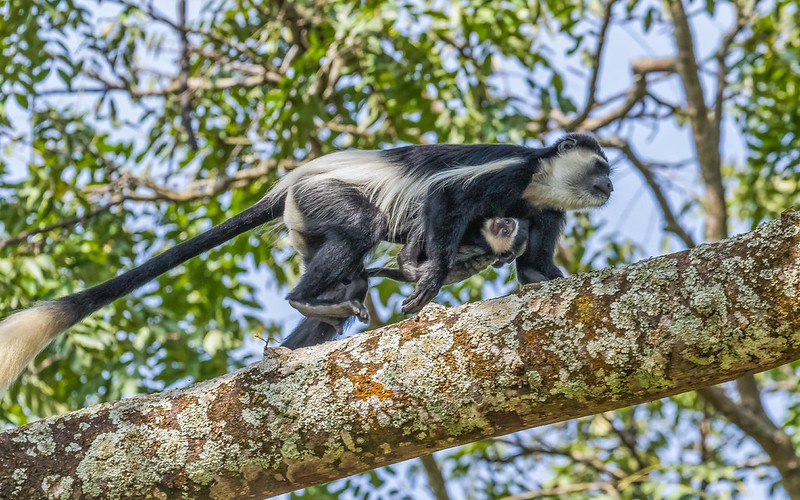
Primates are among the most adaptable and intelligent animals in the wild, and their behavior reflects a deep connection to survival and environmental awareness. One of the most noticeable habits is their tendency to sit high in the treetops. At first glance, this behavior may seem simple or even relaxed. However, it serves several important purposes linked to safety, feeding, communication, and comfort. From monkeys to apes, many species depend on elevated positions to navigate daily challenges. For travelers exploring wildlife with Zamunda Travels, this behavior offers a clear and fascinating window into how primates interact with their environment.
Why Primates Sit at the Top of Trees for Safety
Primates rely on height to improve their safety in the wild. Elevated positions allow them to detect predators early and react quickly. Animals such as leopards and large snakes pose serious threats at ground level, so staying high reduces the risk of sudden attacks. From the treetops, primates gain a wide field of vision, which helps them monitor movement across the forest.
In addition, the canopy provides multiple escape routes. Branches connect across trees, allowing fast movement without descending. Many predators cannot reach the highest branches due to their size or weight. As a result, primates benefit from both protection and flexibility. Visitors with Zamunda Travels often notice that primates remain alert even while resting, which shows how important safety is in their daily routine.
Observing the Environment from Above
Another key reason for this behavior lies in environmental awareness. Primates depend heavily on sight, so a higher position improves their ability to track food, group members, and potential danger. From above, they can identify fruiting trees, locate water sources, and watch other animals.
This vantage point also supports effective communication. Many primates use vocal calls and body language to interact. Sitting high allows these signals to travel further and remain visible to the group. As a result, coordination improves, and social bonds stay strong. Travelers with Zamunda Travels often enjoy watching these interactions unfold in real time, as they reveal the complexity of primate societies.
Feeding Habits in the Canopy
Feeding plays a major role in why primates sit at the top of trees. Many species eat fruits, leaves, and insects that are found in the canopy. By staying high, they access food directly without the need to descend. This approach reduces energy use and lowers exposure to predators.
Moreover, the best fruits often grow at the ends of branches where sunlight is strongest. These areas are usually higher up, making the canopy the most rewarding feeding zone. Primates move carefully as they select food, often pausing to eat and rest. This explains why they spend long periods in one place. With Zamunda Travels, visitors frequently observe primates feeding calmly in these elevated areas.
Why Primates Sit at the Top of Trees for Comfort and Climate Control
Temperature and comfort also influence this behavior. The upper canopy often provides better airflow, which helps primates stay cool in warm climates. At the same time, sunlight reaches these areas more easily, allowing them to warm up when needed.
In addition, treetops offer dry and stable resting spots. Many primates choose strong branches where they can groom, relax, or sleep. These locations protect them from damp ground conditions and reduce exposure to insects. Comfort plays an important role in conserving energy throughout the day. Zamunda Travels often schedules tours during cooler hours, when primates are more active and easier to observe.
Social Structure and Group Dynamics
Social hierarchy also shapes where primates position themselves. Dominant individuals often occupy the highest and most secure spots. These positions offer better access to food and improved visibility. Meanwhile, lower-ranking members remain slightly below, which reflects the structure of the group.
Visibility supports leadership and communication. Leaders often stay where others can see them clearly, which helps guide group movement. Grooming and bonding activities also take place in these elevated areas. Observing these interactions with Zamunda Travels provides valuable insight into how primates maintain order and cooperation within their groups.
A Strategic Behavior with Many Benefits
Primates do not choose treetop positions by chance. This behavior combines safety, feeding efficiency, environmental awareness, and social organization. Height allows them to detect threats, access food, and communicate effectively. It also provides comfort and supports group structure.
Understanding this behavior adds depth to any wildlife experience. With Zamunda Travels, visitors gain not only a clear view of primates but also a deeper understanding of their survival strategies. What seems like a simple habit reveals a complex and highly effective way of life.