Facts About UNESCO Sites in Uganda
May 11, 2026
Uganda Luxury Golf Tours
May 11, 2026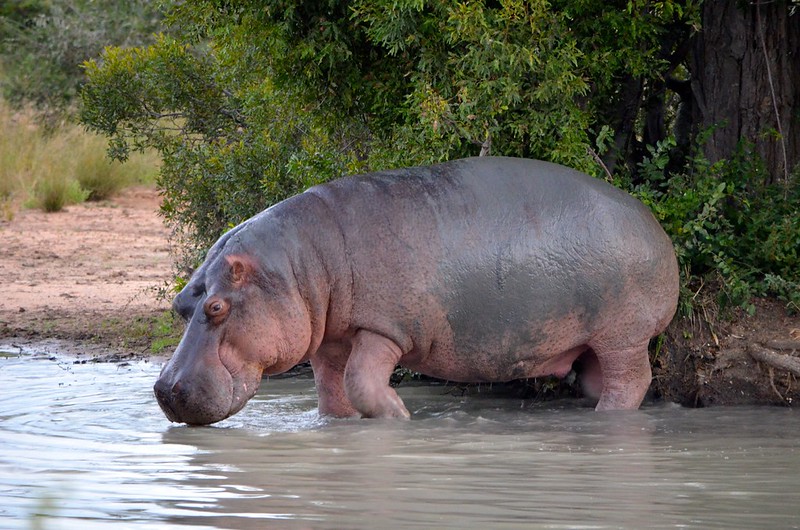
Africa offers some of the world’s most exciting wildlife experiences. Among the many animals that attract travelers, hippos remain some of the most fascinating. Many visitors expect hippos to behave like slow and lazy animals. However, these giant mammals surprise travelers with their strength, speed, and unusual habits. Across rivers, lakes, and wetlands in East and Southern Africa, hippos continue to shape ecosystems and attract wildlife lovers from around the world. At Zamunda Travels, many safari guests become amazed after learning how unique these animals truly are during boat cruises and game drives across Africa’s famous national parks.
1. Surprisingly Facts About Hippos in Africa Show That Hippos Cannot Swim
One of the most surprising facts about hippos in Africa is that hippos cannot actually swim. Although they spend most of their lives in water, hippos move by pushing themselves along riverbeds and lake bottoms. Their heavy bodies prevent them from floating for long periods. Instead of swimming like crocodiles or otters, hippos bounce and glide underwater with great control. This ability helps them conserve energy while staying cool under the African sun. During safaris with Zamunda Travels, travelers often spot hippos moving silently beneath the water before suddenly appearing near the surface.
2. Surprisingly Facts About Hippos in Africa Reveal They Produce Natural Sunscreen
Hippos produce a reddish oily substance from their skin that works like natural sunscreen. Many people mistakenly believe hippos sweat blood because the liquid appears red under sunlight. In reality, the secretion protects the animal’s skin from harsh ultraviolet rays and harmful bacteria. Since hippos spend hours exposed to strong tropical heat, this protective layer helps prevent skin damage. Scientists continue to study this unique adaptation because it remains one of the rarest natural skin defenses found in mammals.
3. Surprisingly Facts About Hippos in Africa Prove They Are Extremely Dangerous
Although hippos look calm, they rank among Africa’s most dangerous animals. Hippos become aggressive when they feel threatened, especially near water. They protect their territory fiercely and can attack boats, humans, and even crocodiles. A fully grown hippo can run faster than many people expect, reaching speeds of nearly 30 kilometers per hour on land. Their massive jaws contain enormous teeth that can crush small boats with ease. For this reason, Zamunda Travels always encourages travelers to follow safari guide instructions during hippo encounters.
4. Hippos Spend Most of the Day in Water
Hippos spend up to 16 hours each day inside rivers and lakes. Water helps them regulate body temperature and protects their sensitive skin from drying out. During the hottest hours of the day, groups of hippos gather closely together in shallow water. This behavior allows them to stay cool while reducing exposure to direct sunlight. In many African parks, tourists enjoy watching entire hippo families resting quietly before sunset.
5. Surprisingly Facts About Hippos in Africa Show They Eat Huge Amounts of Grass
Despite their enormous size, hippos mainly eat grass. At night, they leave the water and travel several kilometers while grazing. An adult hippo can consume around 35 kilograms of grass in a single night. Unlike many large mammals, hippos rarely eat meat. However, researchers have occasionally observed unusual feeding behavior during harsh environmental conditions. Their grazing habits help shape grassland ecosystems across many African wetlands.
6. Baby Hippos Are Born Underwater
Another surprising fact about hippos in Africa is that female hippos give birth underwater. Mothers usually move to shallow and calm water before delivery. After birth, the baby rises quickly to the surface for its first breath. Young hippos continue nursing underwater while staying close to their mothers for protection. This remarkable behavior helps keep calves safe from predators such as crocodiles and large cats.
7. Hippos Communicate Using Powerful Sounds
Hippos use loud vocal sounds to communicate across rivers and lakes. Their grunts, roars, and wheezing calls can travel long distances through water and air. Scientists discovered that hippos communicate both above and below the water surface at the same time. This unique communication system allows groups to remain connected even when submerged. Travelers on African boat safaris often hear hippos long before seeing them.
8. Surprisingly Facts About Hippos in Africa Explain Their Strong Social Bonds
Hippos live in groups called pods, bloats, or schools. These groups may contain up to 30 individuals led by a dominant male. Female hippos protect young calves together while sharing resting areas in the water. Although hippos frequently fight over territory, they also display strong social behavior within their groups. Safari visitors traveling with Zamunda Travels often enjoy watching hippos interact peacefully during early morning excursions.
9. Hippos Can Hold Their Breath for Several Minutes
Hippos can remain underwater for about five minutes without breathing. Even more fascinating, they automatically rise to the surface while sleeping. Their bodies instinctively lift them up for air before sinking back into the water again. This natural survival mechanism allows hippos to rest safely without waking fully. Such behavior continues to amaze wildlife researchers and safari travelers alike.
10. Surprisingly Facts About Hippos in Africa Highlight Their Ancient History
Hippos have existed for millions of years and share distant ancestry with whales. Scientists discovered that hippos and whales evolved from a common ancestor long ago. Although they appear very different today, both animals share several biological traits. This ancient connection surprises many travelers because few people associate hippos with marine mammals.
11. Hippos Help African Ecosystems Thrive
Hippos play an important role in maintaining healthy ecosystems. Their movement between land and water transfers nutrients into rivers and wetlands. Fish and aquatic organisms benefit from these nutrients, which support entire food chains. In several African parks, hippos help maintain ecological balance by shaping vegetation and waterways. Conservationists continue working hard to protect hippo habitats from human activities and environmental threats.
12. Surprisingly Facts About Hippos in Africa Attract Safari Travelers Worldwide
Hippos remain one of the top wildlife attractions during African safaris. Visitors enjoy seeing them during boat cruises along famous waterways such as the Kazinga Channel in Uganda and the Zambezi River in Southern Africa. Their massive size, loud sounds, and social behavior create unforgettable safari moments. At Zamunda Travels, travelers often include hippo viewing experiences in their customized African safari itineraries because these animals offer both excitement and educational value.
In conclusion, these surprisingly facts about hippos in Africa reveal why hippos continue to fascinate wildlife lovers across the globe. Although many people see them as lazy river animals, hippos possess incredible strength, unique survival skills, and important ecological roles. From producing natural sunscreen to communicating underwater, hippos continue to surprise researchers and travelers every year. For visitors planning unforgettable wildlife adventures, Zamunda Travels offers excellent opportunities to experience hippos closely while exploring Africa’s breathtaking national parks and waterways.