Luxury vs Budget Gorilla Trekking: What’s the Difference?
May 11, 2026
Why Rwanda Is One of Africa’s Cleanest Countries
May 12, 2026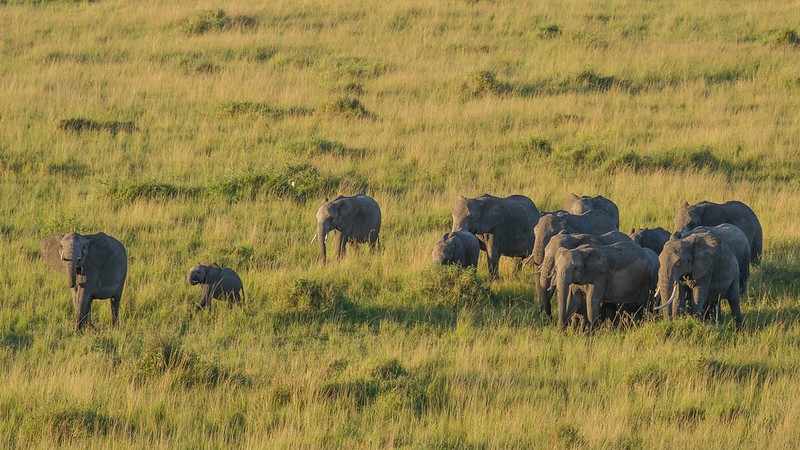
Understanding Your Safari Environment
Safari photography begins long before you press the shutter. One of the most important safari photography tips is to understand the environment you are stepping into. African safari landscapes are dynamic, with changing light, unpredictable wildlife behavior, and vast open spaces that can either enhance or challenge your shots. With Zamunda Travels guiding your safari experience, you gain access to expert led routes that position you in the best possible locations for wildlife viewing and photography opportunities.
In most safari destinations, early mornings and late afternoons provide the most dramatic lighting conditions. This is when wildlife is most active, and the soft golden light enhances textures, colors, and shadows. Photographers should plan their shooting schedules around these peak hours instead of relying on midday light, which often produces harsh contrasts. Understanding animal behavior also plays a critical role; for example, predators tend to hunt during cooler hours while herbivores graze in open plains. When you align your timing with these natural rhythms, your safari photography improves significantly.
Another key consideration is patience. Wildlife does not pose on demand, so remaining still and observant increases your chances of capturing authentic moments. Zamunda Travels guides often emphasize reading the environment carefully, including tracking movements, listening for warning calls, and observing herd patterns. This awareness helps photographers anticipate action rather than react to it.
Choosing the Right Camera Gear
A successful safari experience also depends on selecting the right equipment. One of the most practical safari photography tips is to invest in a camera with fast autofocus and a strong zoom lens. Wildlife is rarely close enough for standard lenses, so a telephoto lens between 200mm and 600mm is ideal for capturing detailed shots without disturbing the animals. Zamunda Travels recommends lightweight but durable gear because safari travel often involves long drives over rough terrain.
A sturdy camera body that performs well in low light is essential, especially for early morning game drives. In addition, carrying extra batteries and memory cards ensures you never miss a moment due to technical limitations. Dust is another major challenge in safari environments, so protective camera covers and cleaning kits are necessary for maintaining equipment performance.
Tripods are useful for stationary photography, but in moving safari vehicles, monopods or handheld stabilization techniques are more practical. Many photographers also benefit from using burst mode to capture fast-moving wildlife such as cheetahs or birds in flight. These small technical adjustments can dramatically improve the quality of your safari photography outcomes.
Mastering Light and Composition
Light and composition are at the heart of impactful safari images. One of the most essential safari photography tips is learning how to use natural light creatively. During sunrise and sunset, warm tones create depth and emotion in wildlife portraits. Positioning yourself so that the light falls at an angle can highlight textures such as fur, feathers, and landscapes, making your images more visually compelling.
Composition should focus on storytelling. Instead of centering every subject, use techniques such as the rule of thirds to create balance and movement within the frame. Including environmental elements like trees, rivers, or distant mountains helps tell a fuller story of the animal’s habitat. Zamunda Travels often positions safari vehicles in scenic spots that naturally enhance compositional opportunities.
Negative space is another powerful tool. Allowing empty space in your frame can emphasize isolation, freedom, or scale especially when photographing animals like elephants or lions in vast savannahs. Over time, mastering composition helps you move beyond simple wildlife snapshots into professional storytelling photography.
Ethical Wildlife Photography in Safaris
Responsible photography is essential when exploring safari destinations. Always maintain a safe distance from wildlife and avoid behaviors that disturb natural habitats. Never pressure drivers or guides to approach animals too closely, as this can stress wildlife and disrupt their behavior. Zamunda Travels prioritizes ethical safari experiences that protect both travelers and ecosystems.
Avoid using flash photography, especially at night or near sensitive animals. Flash can disorient or scare wildlife, leading to unnatural reactions. Respecting animal space ensures more authentic photography opportunities and supports conservation efforts across African parks and reserves.
Post-Processing and Storytelling from Safari Photography
Editing plays a key role in transforming good images into powerful visual stories. After your safari, organize your photos by location and species to help structure your narrative. Adjusting exposure, contrast, and color balance can help reflect the true atmosphere of the safari environment without over editing.
However, authenticity should remain your priority. Over editing can remove the natural essence of the scene. Instead, focus on enhancing what already exists in your image. Zamunda Travels encourages travelers to build visual stories that reflect real safari experiences rather than heavily manipulated scenes.
Combining multiple images into a sequence can also create compelling storytelling albums, showing wildlife behavior over time, such as hunting sequences or migration movements.