Honeymoon Safaris in Uganda
August 7, 2026
Best Photography Spots Uganda
August 7, 2026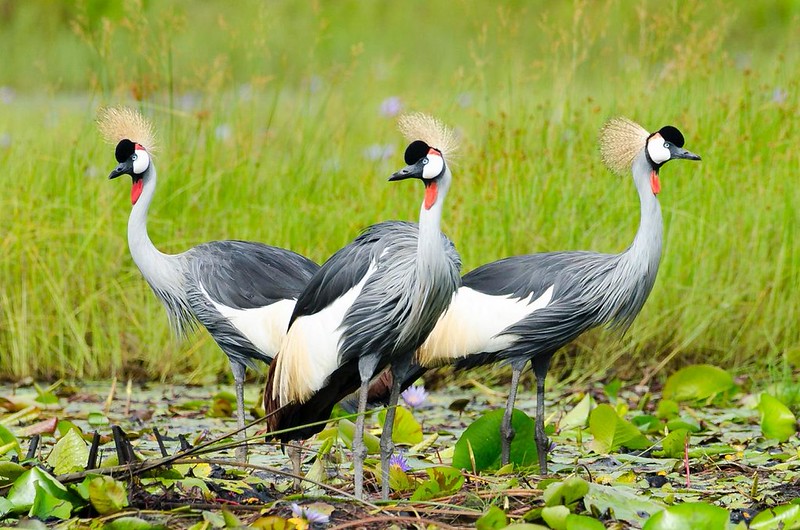
Uganda is one of Africa’s most rewarding destinations for bird enthusiasts. The country has an exceptional variety of habitats, from tropical forests and wetlands to savannahs, lakes, rivers, and highland ecosystems. These different environments support a remarkable range of birdlife. Current bird checklists record more than 1,000 species in Uganda, making the country an exciting destination for both serious birders and travellers who simply enjoy nature.
Bird watching in Uganda can be enjoyed throughout the year because many species are resident. However, the timing of your trip can affect road conditions, forest trails, bird activity, and opportunities to see migratory species. Uganda Wildlife Authority notes that late May through September is generally favourable because rainfall is lower and food remains abundant. December and January can also offer good conditions, while migratory birds add another attraction from roughly November to April.
The country’s birding destinations are equally diverse. Mabamba Bay is famous for the Shoebill, while Murchison Falls offers wetlands, savannah, and river habitats. Bwindi and Mgahinga are important for Albertine Rift species, and Semuliki provides access to Guinea-Congo forest birds that are difficult to find elsewhere in East Africa. Queen Elizabeth National Park adds extensive wetlands and savannah habitats to the birding circuit.
Why Choose Bird Watching in Uganda?
Uganda offers an unusual combination of bird diversity and accessible habitats. A traveller can begin near Entebbe by exploring Mabamba Bay, then continue to forests, wetlands, and savannah parks. This makes it possible to see very different bird communities during the same safari.
The country’s position at the meeting point of several ecological zones contributes to this diversity. Forests in the west support species associated with the Albertine Rift, while wetlands attract waterbirds and migratory species. Savannah areas provide habitats for raptors, starlings, hornbills, bee-eaters, and many other birds.
Another advantage is that birding can be combined with traditional safari activities. Zamunda Travels can design an itinerary that includes bird watching alongside gorilla trekking, chimpanzee tracking, game drives, boat cruises, and cultural experiences. This approach is useful for travellers who want more than a specialist birding holiday.
Best Places for Bird Watching in Uganda
Uganda has many important birding locations. However, some destinations stand out because of their habitats, accessibility, species diversity, or opportunities to find sought-after birds.
Mabamba Bay Wetland
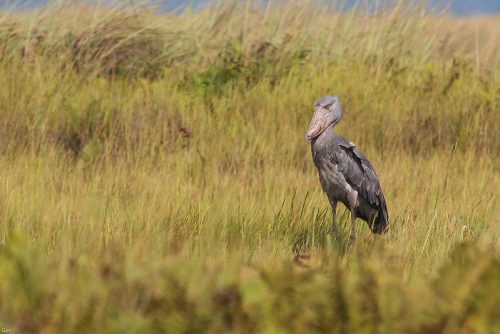
Mabamba Bay Wetland is one of Uganda’s most famous birding sites. It lies on the northern shore of Lake Victoria, west of Entebbe, and is particularly famous for the Shoebill. The wetland contains extensive papyrus channels and shallow waters that provide suitable habitat for numerous waterbirds.
The Shoebill is the main attraction for many visitors. This large, prehistoric looking bird is highly sought after by birders because it is difficult to find in many other destinations. Sightings are possible throughout the year, although local conditions can influence how easily the birds are found.
A canoe or boat excursion through the wetland provides an excellent way to explore the habitat. Local guides know the channels and feeding areas and can help visitors search for the Shoebill without disturbing the wetland. Mabamba also supports many other birds, including herons, kingfishers, jacanas, and other wetland species.
Mabamba is particularly convenient for travellers arriving through Entebbe International Airport. Zamunda Travels can arrange a birding excursion before or after a wider Uganda safari, making the wetland an easy addition to an itinerary.
Murchison Falls National Park
Murchison Falls National Park is another excellent destination for bird enthusiasts. Its landscape combines savannah, woodland, wetlands, the Victoria Nile, and the Albert Delta. This mixture creates a wide range of habitats for birds.
Uganda Wildlife Authority identifies Murchison Falls as one of Uganda’s leading birding destinations and highlights the Shoebill among its sought-after species. The Albert Delta is especially important for waterbirds because it provides shallow wetland habitat where species such as shoebills, pelicans, darters, and herons can feed.
Birding can be combined with game drives across the park. While searching for birds, travellers may also encounter elephants, giraffes, buffaloes, antelopes, lions, hippos, and other wildlife. A boat trip on the Nile provides another opportunity to observe birds along the riverbanks.
Queen Elizabeth National Park
Queen Elizabeth National Park is one of Uganda’s most diverse birding destinations. The park contains savannah, forests, lakes, wetlands, and the Kazinga Channel. Uganda Wildlife Authority records more than 600 bird species in the park.
The variety of habitats explains why the park attracts so many bird species. Waterbirds can be found around the lakes and channel, while savannah areas support raptors, starlings, hornbills, and other species.
The wetlands in the Ishasha sector are also important for the Shoebill. Migratory birds occur in the park from November to April, adding another reason to visit during this period.
A birding trip in Queen Elizabeth can easily include other safari activities. Couples, families, and general wildlife travellers can enjoy game drives and a Kazinga Channel boat cruise while still dedicating time to birding.
Bwindi Impenetrable National Park
Bwindi is best known internationally for mountain gorilla trekking, but it is also one of Uganda’s most important forest birding destinations. The park contains species associated with the Albertine Rift, including birds that are difficult to find outside this region.
Uganda Wildlife Authority identifies Bwindi and Mgahinga as some of the most accessible places to search for Albertine Rift endemics. The main nesting period in these forests occurs around May and June.
Birding in Bwindi requires patience because the forest is dense and many birds remain high in the canopy. An experienced bird guide can make a major difference by recognizing calls, locating movement, and identifying birds by sight.
Birders can also combine the experience with gorilla trekking. Zamunda Travels can arrange a safari that gives travellers time for both activities instead of treating birding as a separate trip.
Mgahinga Gorilla National Park
Mgahinga Gorilla National Park provides another opportunity to search for Albertine Rift birds. The park lies in the Virunga landscape and contains montane forest, bamboo, and higher-altitude habitats.
Its location makes it especially interesting for birders who want to combine forest species with mountain scenery. The park can also be included in a wider itinerary involving gorilla trekking and golden monkey tracking.
Birding conditions can change with altitude and weather, so a local guide is valuable. The guide can identify calls and direct visitors towards suitable habitats without disturbing the birds.
Kibale National Park
Kibale National Park is famous for chimpanzee tracking, but its tropical forest also provides excellent opportunities for birding. Forest birding here can complement primate experiences and other activities.
The surrounding ecosystems include forest and other habitats that support a variety of species. Birders should expect a different experience from open savannah parks. Dense vegetation means that listening carefully is often as important as scanning the trees.
Kibale is therefore a strong choice for travellers who want to combine birds and primates. Zamunda Travels can include birding walks before or after chimpanzee activities.
Semuliki National Park
Semuliki National Park is one of the most important destinations for specialised birding in Uganda. Uganda Wildlife Authority describes it as the only place in East Africa where many Guinea-Congo regional species can be seen.
The park’s location and forest ecosystem give it a distinct birding character. Species associated with Central African forests make Semuliki particularly valuable for experienced birders looking to expand their Uganda checklist.
Birding in Semuliki requires time and patience. Forest trails can be wet, and some species remain hidden in dense vegetation. However, the possibility of finding birds rarely encountered elsewhere makes the effort worthwhile.
Lake Mburo National Park
Lake Mburo National Park provides a different birding experience because its habitats include savannah, wetlands, lakes, and woodland. The park forms part of the larger Mburo-Nakivali wetland system, which is recognized as a Ramsar site.
The wetland system supports globally threatened species, including the Papyrus Yellow Warbler and Shoebill.
Lake Mburo is also easy to combine with wildlife viewing. Visitors can enjoy game drives, boat trips, walking safaris, and horseback riding while searching for birds. This makes it a good option for travellers who want birding to form part of a broader safari.
Best Seasons for Bird Watching in Uganda
Uganda is a year round birding destination because many species live in the country permanently. Still, some months provide better conditions for particular types of birding.
Uganda Wildlife Authority considers late May through September one of the best general periods for bird watching. During this period, rainfall is generally lower, roads and trails can be easier to use, and food remains available for resident species.
December and January can also be good months for birding. UWA notes that the north is not yet as hot during this period, while rainfall is lower in southern Uganda. This can make the period useful for combining several regions in one trip.
Bird Watching in Uganda During the Dry Season
The dry season is popular with many travellers because travel conditions are often easier. June, July, August, December, January, and February can provide good opportunities, although weather patterns vary between regions.
Birding remains productive during these months because resident species are still present. Water sources can also concentrate wildlife in some areas, creating opportunities to see birds around lakes, rivers, and wetlands.
For travellers who want to combine birding with a general safari, the dry season can be particularly convenient. Zamunda Travels can build an itinerary that combines birding with game drives and other activities.
Bird Watching in Uganda During the Wet Season
The wet season should not be dismissed by birders. Rain can make roads and forest trails more difficult, but it also brings important ecological changes.
Vegetation becomes lush, insects and other food sources become more abundant, and breeding activity can increase. In Bwindi and Mgahinga, May and June are particularly important because they coincide with the main nesting period noted by UWA.
The wet season can also offer a quieter travel experience. Birders who do not mind occasional rain may find excellent conditions for photography and forest birding.
However, travellers should prepare for muddy trails and changing weather. Waterproof clothing, suitable footwear, and protection for cameras and binoculars are essential.
Migratory Birds in Uganda
Migratory birds add another dimension to Uganda’s birding calendar. Many Palearctic migrants arrive during the period from roughly November to April. This increases the range of species that birders can encounter alongside Uganda’s resident birds.
Queen Elizabeth National Park, for example, records migratory birds from November to April. Wetlands and water bodies become particularly valuable because many migrants use them for feeding and resting.
For birders who want to combine resident species with migrants, November through April can therefore be an attractive period. However, the exact species present can vary with location and seasonal conditions.
Zamunda Travels can help plan the route around the habitats and species that interest you most. Specialist birding trips benefit from spending more time at fewer locations rather than rushing between destinations.
Best Birds to See in Uganda
Uganda offers an impressive bird list, but the species you see will depend on the habitats and regions visited. The Shoebill is one of the country’s most famous targets, especially around Mabamba Bay and suitable wetland habitats.
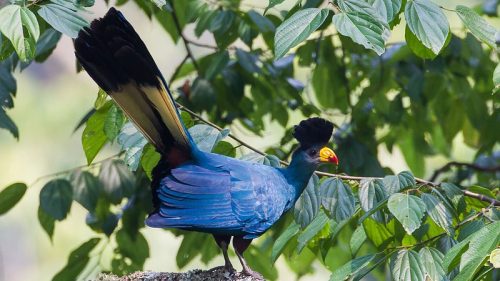
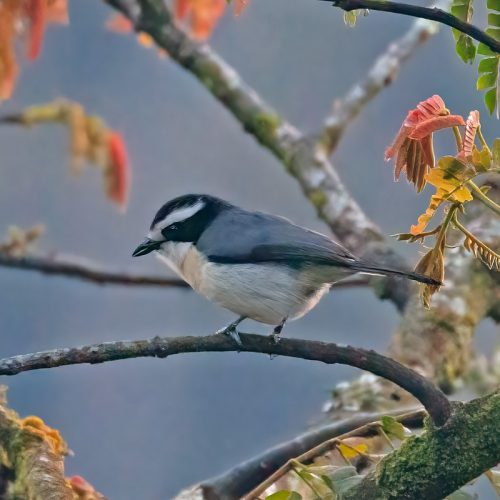
Albertine Rift species are another major attraction. Bwindi and Mgahinga provide opportunities to search for birds restricted to or strongly associated with the Albertine Rift region. Semuliki is important for species linked to the Guinea-Congo forest ecosystem.
Savannah parks add another category of birds. Murchison Falls, Queen Elizabeth, and Lake Mburo provide opportunities for raptors, hornbills, bee-eaters, starlings, herons, kingfishers, and many other species.
A serious birder should therefore avoid focusing on one famous species. Uganda’s greatest strength lies in the variety of habitats that can be combined during one safari.
Bird Watching Around Entebbe
Entebbe is an excellent starting point for a Uganda birding safari. Its location near Lake Victoria provides access to wetlands, forests, gardens, and other habitats.
Mabamba Bay is one of the most important nearby sites. A trip to the wetland can be completed as an excursion before continuing to other parts of Uganda.
This makes Entebbe especially useful for travellers with limited time. You can begin with wetland birding and then continue to a national park for forest or savannah species.
Zamunda Travels can arrange airport transfers and birding excursions around Entebbe before the main safari begins. This approach helps travellers use their arrival and departure days more effectively.
Bird Watching and Photography in Uganda
Uganda offers excellent opportunities for bird photography, but patience is essential. Birds often move quickly, hide in vegetation, or remain far from the trail.
A camera with a suitable telephoto lens can help you photograph distant birds without approaching too closely. Binoculars are equally important because birding is not only about photography. They allow you to observe behaviour and identify details that may be difficult to see with the naked eye.
Early mornings are often productive because birds are active and temperatures are cooler. It is also useful to carry waterproof protection because weather can change quickly, especially in forest and wetland environments.
Birders should always prioritize the welfare of the birds. Avoid chasing birds, playing loud calls repeatedly, or getting too close to nests. Responsible birding protects the experience for future visitors.
What to Pack for a Uganda Birding Safari
Good preparation can make a major difference during a birding safari. Binoculars should be at the top of your list because they are essential for identifying distant birds.
A field guide or reliable bird identification application can also help. Carry a notebook if you want to maintain a personal checklist during the trip.
Comfortable walking shoes are important for forest trails and wetland areas. Lightweight clothing works well in warm conditions, while a waterproof jacket is useful during rainy periods.
Other useful items include sunscreen, insect repellent, a hat, drinking water, a small backpack, spare batteries, power banks, and protective covers for cameras and other electronic equipment.
How Long Do You Need for Bird Watching in Uganda?
The ideal length depends on your birding goals. A short trip can focus on Entebbe and Mabamba Bay, while a longer itinerary can cover several major ecosystems.
A seven-day trip can combine Mabamba, Lake Mburo, Queen Elizabeth, or another nearby destination. Serious birders may prefer two weeks or longer to explore forests, wetlands, and savannah habitats without rushing.
Specialist birding requires more time than a conventional safari. Some target species may take several hours or repeated visits to locate. Building flexibility into the itinerary can therefore improve the experience.
Zamunda Travels can create a customised route based on your target species, available time, accommodation preferences, and budget.
Responsible Bird Watching in Uganda
Responsible tourism is essential for protecting Uganda’s bird habitats. Wetlands, forests, and grasslands support not only birds but also many other species and local communities.
Birders should follow the instructions of local guides and park authorities. Stay on designated trails where required and avoid disturbing nests or breeding colonies.
Wetland excursions should use responsible operators and avoid unnecessary disturbance to birds. Supporting local guides and community-based tourism also helps ensure that birding contributes to local livelihoods.
Zamunda Travels encourages travellers to experience Uganda’s wildlife responsibly. Protecting the habitats that attract visitors today helps ensure that future generations can enjoy the same remarkable birdlife.
Birding Safaris With Zamunda Travels
Planning a successful birding safari requires more than selecting a list of national parks. The route should match your target species, habitats, travel dates, and preferred pace.
Zamunda Travels can organise birding safaris across Uganda with experienced local guides and carefully selected destinations. A trip can focus entirely on birds or combine birding with gorilla trekking, chimpanzee tracking, game drives, boat cruises, and cultural experiences.
For specialist birders, the itinerary can prioritize destinations such as Mabamba Bay, Bwindi, Semuliki, Murchison Falls, Queen Elizabeth, and Lake Mburo. Travellers with broader interests can add birding activities to a conventional Uganda safari.
The key is to build enough time into each location. Uganda’s bird diversity rewards patience, careful observation, and good local knowledge.
In conclusion, bird watching in Uganda offers an outstanding way to explore the country’s forests, wetlands, lakes, rivers, and savannahs. From searching for the Shoebill at Mabamba Bay to looking for Albertine Rift species in Bwindi, every region provides a different birding experience.
The best time depends on your priorities. Late May to September generally provides favourable conditions for many birders, while December and January can also be rewarding. November to April adds the possibility of seeing migratory birds, while the wetter months can bring lush vegetation and active breeding behaviour.
Uganda’s greatest advantage is its habitat diversity. Murchison Falls offers river and wetland birding, Queen Elizabeth combines savannah and aquatic habitats, Lake Mburo provides wetlands and open landscapes, Bwindi and Mgahinga support Albertine Rift species, and Semuliki offers a gateway to Guinea-Congo forest birds. With careful planning, Zamunda Travels can turn these destinations into a memorable birding safari across the Pearl of Africa.