Best Photography Spots Uganda
August 7, 2026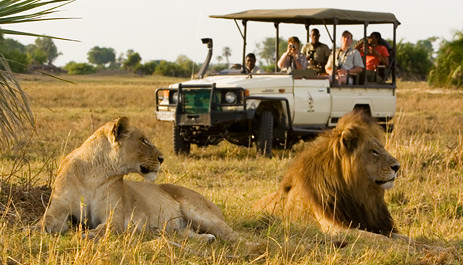
Uganda is one of East Africa’s most rewarding safari destinations. The country offers diverse wildlife, beautiful landscapes, primates, forests, lakes, and cultural experiences. From the open savannah of Murchison Falls National Park to the tree lined plains of Queen Elizabeth National Park, travelers can explore Uganda in different ways. However, one important decision comes before the journey begins: should you choose a guided safari or drive yourself?
Both options have clear advantages. A guided safari gives you an experienced driver guide who handles navigation, wildlife spotting, park procedures, and much of the trip planning. A self-drive safari gives you greater freedom to choose your pace, route, and daily schedule. Your choice therefore depends on your experience, budget, comfort, interests, and the type of safari you want.
For many first-time visitors, a guided safari remains the easier option. On the other hand, experienced travelers who enjoy independent travel may prefer self-driving. In this guide, Zamunda Travels compares both options to help you decide which safari style suits your Uganda adventure.
What Is a Guided Safari in Uganda?
A guided safari is a trip where a professional driver-guide accompanies you throughout some or all of your journey. The guide normally handles the vehicle, navigation, game-drive logistics, and interpretation of wildlife and landscapes. Depending on the package, the guide may also help coordinate park entry, accommodation, activities, and transfers between destinations.
A good guide adds much more than driving. Guides can help travelers understand animal behavior, identify bird species, explain local communities, and choose suitable game-viewing areas. Uganda Tourism Board guidelines also require driver-guides working with tourist service vehicles to hold appropriate driving and tourism credentials. The guidelines state that driver-guides should have a valid driving licence for the vehicle category and a valid Uganda Tourism Board licence.
This knowledge can make a major difference during a game drive. Wildlife does not follow a fixed schedule. Animals move according to food, water, weather, temperature, and other conditions. Therefore, an experienced guide can use knowledge of the area to improve your chances of finding wildlife.
At Zamunda Travels, a guided safari can also be planned around your interests. For example, travelers interested in lions may want more time in areas known for lion sightings. Birdwatchers may prefer a slower itinerary with additional stops. Families may also appreciate a flexible schedule that avoids unnecessarily long driving days.
What Is the Difference?
The biggest difference is who controls the driving and safari logistics. During a guided safari, a professional driver-guide takes responsibility for driving and helps you navigate the parks. During a self-drive safari, you take responsibility for the vehicle, navigation, timing, route planning, and compliance with park regulations.
The difference also affects the overall experience. A guided trip allows you to concentrate on wildlife and scenery while someone else manages the road. A self-drive trip gives you more independence, but you must remain alert and make decisions throughout the journey.
Uganda Wildlife Authority recognizes both guided and self-drive game drives. Its published conservation tariff has separate categories for guided game drives using private vehicles and self-game drives without a private-sector guide or UWA ranger guide. The same tariff also provides for UWA game-drive vehicles where available.
This means self-driving is a legitimate safari option in Uganda. However, being allowed to drive yourself does not mean that you can ignore park rules. All visitors must follow UWA regulations designed to protect wildlife and visitors.
The Advantages of a Guided Safari
A major advantage of a guided safari is convenience. You do not need to spend your holiday constantly checking maps, studying tracks, or worrying about whether you are heading in the right direction. Instead, you can focus on the experience.
This is especially useful when visiting several national parks. Uganda has large distances between some of its major wildlife destinations. A trip can combine places such as Murchison Falls, Kibale, Queen Elizabeth, Bwindi, Lake Mburo, or Kidepo Valley. Managing these routes yourself requires careful planning.
A professional guide also understands the practical side of safari travel. They know where to stop, when to leave the lodge, and how to manage game-drive time. In addition, they can help you understand local road conditions and changing circumstances.
Better Wildlife Spotting
Wildlife spotting is one of the strongest reasons to choose a guided safari. Experienced guides spend a great deal of time in wildlife areas. They become familiar with animal behavior, tracks, habitats, and common viewing locations.
For example, spotting a leopard can require patience and observation. A traveler driving alone may pass through an area without noticing an animal hidden in vegetation. A guide may recognize signs that suggest recent wildlife activity.
The same applies to birds. Uganda is exceptionally rich in birdlife, and a knowledgeable guide can identify species by their appearance, calls, habitat, and behavior. For travelers interested in birdwatching, this additional knowledge can significantly improve the experience.
Easier Navigation
Navigation is another major advantage. Some national parks contain extensive networks of tracks. These routes can become confusing for visitors who are unfamiliar with the area.
Murchison Falls National Park, for example, contains a large wildlife area with multiple tracks and different sectors. UWA has specific rules for vehicle movement and emphasizes the importance of staying on permitted routes. In its guidance for motorists, UWA has also emphasized park operating hours, speed limits, restricted driving areas, and wildlife protection rules.
With a guided safari, your driver handles most of this responsibility. That gives you more time to watch the landscape and photograph wildlife.
Less Stress on Long Journeys
Uganda safari routes can involve several hours of driving. A self-drive traveler must remain focused throughout the journey. This can become tiring, particularly after an early morning game drive.
A guided safari reduces this burden. You can rest between destinations, take photographs, enjoy the scenery, or discuss the next activity with your guide.
For couples, families, and travelers visiting Uganda for the first time, this can make the holiday more comfortable.
The Advantages of a Self-Drive Safari
Self-driving has its own appeal. The biggest benefit is independence. You decide when to leave, where to stop, and how long to spend at a particular location, within park regulations and operating hours.
This freedom suits travelers who enjoy independent exploration. You can create a slower itinerary and spend more time in places that interest you.
Self-driving can also provide a strong sense of adventure. You are responsible for navigating the route and discovering the landscape yourself. For experienced travelers, that independence can become an important part of the safari experience.
More Control Over Your Schedule
A self-drive safari gives you more control over your daily routine. You are not dependent on the preferences of a group or another traveler.
For example, you may want to spend several hours watching elephants at a waterhole. If conditions allow, you can decide to remain longer. Likewise, you can plan a slower morning when you have had a long travel day.
However, flexibility does not mean unlimited freedom. National parks have rules and operating hours. UWA guidance for Murchison Falls, for example, states that the park operates from 7:00 am to 7:00 pm and includes a 40 km/h speed limit. Visitors must also avoid unnecessary stops, feeding wildlife, and hooting.
Greater Privacy
Self-drive can be attractive to couples, friends, or families who want a private experience. You do not have to share the vehicle with strangers.
A private vehicle can also make it easier to follow your own interests. You might spend more time photographing landscapes, watching birds, or looking for a particular animal.
However, privacy does not automatically mean better wildlife viewing. A knowledgeable guide can often contribute more to wildlife interpretation and spotting than an independent driver.
Guided Safari: The Better Choice for First-Time Visitors
For travelers visiting Uganda for the first time, a guided safari is usually the more straightforward choice. Uganda has excellent safari destinations, but each park has its own character, road network, wildlife patterns, and logistics.
A first-time visitor may also have limited knowledge of local driving conditions. Long-distance travel between parks can require careful timing. Some roads are paved, while others become rougher as you approach remote parks and park tracks.
A guide removes much of this uncertainty. Zamunda Travels can organize the itinerary, accommodation, activities, transportation, and park logistics around the traveler’s interests.
A guided safari also works particularly well for visitors combining wildlife with primate experiences. Uganda’s itineraries often combine savannah game drives with chimpanzee tracking or gorilla trekking. These activities have different schedules and requirements. Having an experienced travel company coordinate the journey can make the entire trip smoother.
Self-Drive Safari: When Does It Make More Sense?
Self-drive can be a good option for experienced travelers who are comfortable driving in unfamiliar environments. It is especially suitable for people who enjoy independence and already understand the demands of long-distance road travel.
You should also feel comfortable using navigation tools and dealing with unexpected changes. A self-drive traveler needs to manage fuel, vehicle checks, route planning, accommodation timing, and communication.
It is also important to understand that driving inside a national park is different from driving on a normal highway. Wildlife may cross roads without warning. Tracks can be uneven, and weather can affect road conditions. Drivers must therefore remain patient and avoid risky driving.
UWA rules also prohibit activities such as off-track driving, disturbing wildlife, and exceeding park speed limits. Older UWA park rules specifically state that visitors should not drive off designated tracks or exceed the 40 km/h speed limit.
Cost Comparison
Cost is one of the main reasons travelers compare the two options. At first glance, self-driving may appear cheaper because you do not pay for a professional driver-guide as part of the vehicle package.
However, the total cost involves more than vehicle hire. You must consider the rental vehicle, fuel, insurance, park fees, accommodation, navigation, possible additional driver costs, and other travel expenses.
A guided safari may have a higher initial price. However, the package can combine transportation, fuel, driver-guide services, accommodation, park fees, and activities. The exact inclusions depend on the safari company and itinerary.
UWA’s published tariff also demonstrates that game-drive costs can vary according to the type of service. It lists separate charges for self-game drives, guided game drives using private vehicles, and UWA game-drive vehicles where available.
Therefore, travelers should compare the total trip cost, rather than comparing vehicle hire alone.
Zamunda Travels can help travelers build a safari around their budget. A private guided safari may cost more than a basic self-drive arrangement, but it can offer greater convenience and professional support.
Which Option Is Better for Wildlife Photography?
Both options can work well for photography. However, a guided safari often gives photographers an advantage because the driver understands wildlife behavior and positioning.
Photography requires patience. You may need to wait quietly for an animal to move into better light or position. An experienced driver can help position the vehicle without unnecessarily disturbing wildlife.
Self-drive can still provide excellent photographic opportunities. It offers privacy and control over how long you stay at a sighting. However, you must balance photography with safe driving.
For serious photographers, the best choice depends on the goal. If you want maximum independence, self-drive can work well. If you want assistance with finding and positioning for wildlife, a guided safari can be more effective.
Which Option Is Better for Families?
Families often benefit from guided safaris because they reduce the workload on parents or guardians. Long drives can be tiring for children. Having a professional driver means adults can focus on the family instead of navigation.
A guide can also help adjust the pace of the journey. For example, families may prefer shorter game drives combined with relaxed lodge time.
Self-drive can work for families that value privacy and already have strong road-trip experience. However, parents should consider the extra responsibility involved. Driving, navigation, wildlife awareness, and childcare can become demanding at the same time.
For a first family safari in Uganda, Zamunda Travels generally makes a guided arrangement easier to manage.
Which Option Is Better for Adventure Travelers?
Adventure travelers may prefer self-drive because it offers greater independence. The journey itself becomes part of the adventure.
You choose the route, manage the schedule, and experience Uganda without depending on a fixed group timetable. This can be rewarding for travelers who enjoy road trips.
Still, Uganda offers remote destinations where preparation matters. Kidepo Valley National Park, for example, is much more remote than parks closer to Kampala and Entebbe. A traveler heading into remote areas must take fuel, road conditions, communications, weather, and vehicle reliability seriously.
For such journeys, an experienced guided safari can provide additional peace of mind.
Safety and Park Rules for Self-Drive Travelers
Self-drive travelers must take national park rules seriously. Wildlife should never be approached recklessly. Drivers should maintain appropriate distances, avoid disturbing animals, and remain on permitted routes.
Speed is also important. UWA has highlighted a 40 km/h speed limit in its guidance for Murchison Falls National Park. It has also warned against unnecessary stopping, feeding wildlife, hooting, and unauthorized route deviations.
Travelers should also check current park requirements before departure. Regulations and tariffs can change, so relying on old online information can create problems.
UWA states that wildlife conservation in Uganda operates under specific regulations established through the Uganda Wildlife Act and related conservation frameworks.
For this reason, self-drive travelers should confirm current requirements directly with UWA or through their safari provider before traveling.
A Simple Comparison
The choice becomes easier when you compare the main factors.
| Factor | Guided Safari | Self-Drive Safari |
|---|---|---|
| Navigation | Professional guide handles it | Traveler handles it |
| Wildlife spotting | Strong advantage | Depends on experience |
| Flexibility | High, depending on private itinerary | Very high |
| Privacy | High with a private vehicle | High |
| Driving responsibility | Guide handles driving | Traveler drives |
| Local knowledge | Strong advantage | Must develop independently |
| Stress level | Lower | Higher |
| Adventure | Moderate to high | Very high |
| Cost control | Package-based | More responsibility for budgeting |
| First-time visitors | Excellent choice | Requires more preparation |
| Experienced road travelers | Excellent choice | Excellent option |
| Wildlife photography | Strong | Strong with experience |
| Family travel | Very convenient | More demanding |
Neither option is automatically better for everyone. The right choice depends on your priorities.
Why Choose Zamunda Travels for a Guided Safari in Uganda?
Choosing the right safari company can be just as important as choosing between guided and self-drive travel. A well-planned itinerary should match your interests, available time, budget, and preferred level of comfort.
Zamunda Travels can help travelers plan guided safaris across Uganda’s major wildlife destinations. The itinerary can include game drives, boat cruises, primate experiences, cultural activities, and mountain adventures.
A professional travel company also helps reduce the pressure of coordinating several bookings independently. This becomes particularly useful when your trip combines different regions.
For example, a Uganda safari may include a game drive in Queen Elizabeth National Park, a boat cruise on the Kazinga Channel, chimpanzee tracking in Kibale Forest, and gorilla trekking in Bwindi. These experiences require different arrangements and travel times.
Zamunda Travels can organize these components into one practical itinerary. The result is a trip that allows travelers to focus on Uganda rather than constantly managing logistics.
So, Is a Guided or Self-Drive Safari Better?
The answer depends on the traveler. A guided safari is generally better for first-time visitors, families, travelers with limited time, wildlife enthusiasts, and anyone who wants professional assistance throughout the journey.
Self-drive is better suited to experienced road travelers who value independence, privacy, and complete control over their itinerary. It can be exciting and flexible, but it also requires more preparation and responsibility.
If your main goal is to see as much wildlife as possible while learning about Uganda’s landscapes and animals, a guided option has a strong advantage. If your main goal is independent exploration, self-drive may suit you better.
For most international visitors, however, the convenience and local knowledge provided by a professional guide make a guided safari the easier choice. Zamunda Travels can create a private Uganda safari that combines expert guidance with flexibility, allowing you to enjoy the benefits of a planned trip without losing the personal feel of a private adventure.
In conclusion, both guided and self-drive safaris can create memorable Uganda experiences. The difference lies in how much responsibility you want to take during the journey. Choose self-drive if independence is your priority and you have the skills and preparation required. Choose a guided safari if you want local expertise, easier logistics, better wildlife interpretation, and less driving stress. For many travelers exploring Uganda for the first time, a guided safari offers the best balance of comfort, flexibility, safety, and wildlife experience.