Which Parks Allow Night Game Drives in Uganda?
August 10, 2026
Can I Upgrade to a Habituation Experience?
August 10, 2026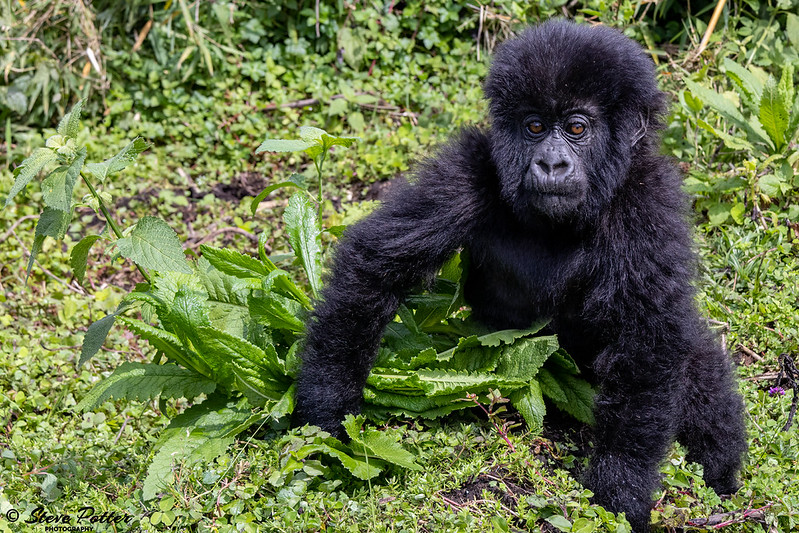
Why Rwanda Deserves a Place on Your Safari Bucket List
Rwanda often surprises first time visitors. Many people still picture only rolling green hills and a difficult history, yet the country has quietly built one of the richest wildlife tourism scenes on the continent. Within a single small nation, travelers can track mountain gorillas through bamboo forests, watch lions stalk across open savannah, follow chimpanzees through ancient rainforest canopy, and unwind beside a crystal clear lake, all in the space of a week. That variety is exactly why Zamunda Travels built this guide. We want every traveler who searches for the best Safari Destinations Rwanda offers to walk away with a clear picture of where to go, what to expect, and how to plan a trip that actually works.
Rwanda covers roughly the same land area as the state of Maryland, yet it packs four distinct national parks, a Rift Valley lake, and a thriving capital city into that space. Good road infrastructure connects everything, and most parks sit within two to five hours of Kigali. That compact geography means Zamunda Travels can design itineraries that combine several ecosystems without forcing clients to spend entire days in transit. This guide walks through each major park and region, explains what makes it worth visiting, and shows how the pieces fit together into one unforgettable trip.
1. Volcanoes National Park: The Heart of Gorilla Trekking
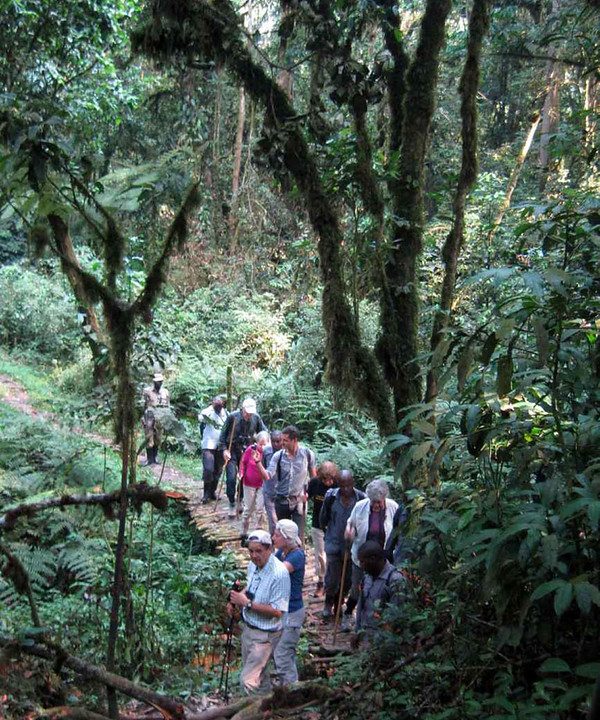
Volcanoes National Park sits in northwestern Rwanda, wrapped around the slopes of the Virunga Mountains, and it remains the single biggest draw among all Safari Destinations Rwanda has developed over the past two decades. The park protects a dozen habituated gorilla families, and rangers lead small groups of visitors through dense bamboo forest and volcanic slopes each morning in search of them. Because every group receives a permit tied to one specific family, no two treks unfold the same way. Some hikers reach their gorillas within an hour, while others climb for several hours before they hear the first rustle of leaves.
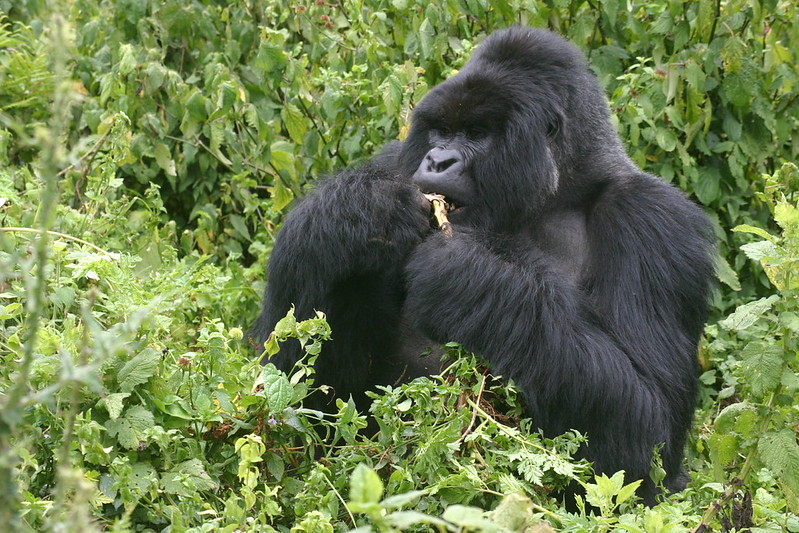
The moment a gorilla family finally comes into view changes something in most visitors. A silverback might sit calmly chewing wild celery just a few meters away, while juveniles tumble over each other nearby, completely indifferent to the small crowd of humans watching in silence. Rangers allow each group exactly sixty minutes with the gorillas, a rule designed to protect the animals from stress and disease. That hour, brief as it sounds, tends to stay with travelers long after they leave Rwanda.
Zamunda Travels secures gorilla permits well in advance because demand consistently outpaces supply, particularly during the dry seasons from June to September and December to February. Permits currently run at a premium price point, reflecting Rwanda’s deliberate strategy of low-volume, high-value conservation tourism. Beyond gorilla trekking, the park also offers golden monkey tracking, a lighter and less expensive activity that still delivers close primate encounters, along with hikes up Bisoke and Karisimbi volcanoes for travelers who want a physical challenge with panoramic crater-lake views at the summit.
2. Akagera National Park: Where the Big Five Roam Again
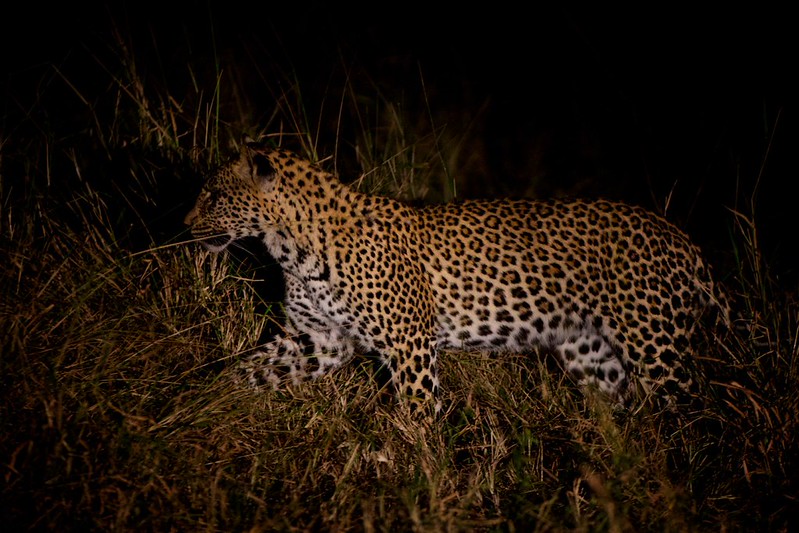
Akagera National Park anchors the eastern side of the country, running along the Tanzanian border through open savannah, rolling hills, and a chain of lakes fed by the Kagera River. Conservationists consider its recovery one of the great success stories in African wildlife management. Poaching and encroachment had emptied much of the park by the early 2000s, but a long-term partnership between Rwanda Development Board and African Parks reversed that decline through fencing, community engagement, and careful species reintroduction. Lions returned in 2015, and black rhinos followed in 2017 and 2019. In 2025, an additional seventy southern white rhinos arrived through the continent wide Rhino Rewild Initiative, pushing Akagera firmly back into true Big Five territory alongside elephants, buffalo, and leopards.
Travelers who explore Akagera quickly notice how uncrowded it feels compared with more famous savannah parks elsewhere in East Africa. Vehicles rarely cluster around a single sighting, so guests get long, unhurried encounters with wildlife instead of jostling for a viewing angle. A boat cruise on Lake Ihema adds another dimension entirely, drifting past pods of hippos and basking crocodiles while fish eagles circle overhead. Birdwatchers travel specifically for Akagera’s wetlands, since the park hosts several hundred recorded species, including the striking papyrus gonolek and the rare shoebill stork in the right season.
Zamunda Travels frequently pairs Akagera with Volcanoes National Park to create a complete contrast within one itinerary: mist covered mountains and gorilla forests on one end, sun drenched savannah and open plains on the other. Among every set of Safari Destinations Rwanda travelers ask about, this combination consistently produces the strongest reviews, because it captures both the intimacy of primate trekking and the drama of classic African game viewing.
3. Nyungwe National Park: Ancient Rainforest and Primate Diversity
Nyungwe National Park occupies the southwestern corner of Rwanda, and botanists regard it as one of the oldest rainforests on the entire continent. Thirteen primate species live within its boundaries, including chimpanzees, colobus monkeys, and mangabeys, which makes the park a genuine competitor to Volcanoes for travelers who love primates but want a different kind of forest experience. Chimpanzee trekking here plays out at a different rhythm than gorilla trekking. The chimps move constantly through the high canopy, so groups often walk longer distances and rely heavily on the calls echoing overhead before catching a glimpse of the animals themselves.
Birders treat Nyungwe as something close to a pilgrimage site, since the forest shelters more than three hundred recorded bird species, several of which exist nowhere else on Earth. The park’s suspension canopy walkway, strung high above the forest floor, gives visitors a completely different perspective on the ecosystem and remains one of the most photographed attractions in the entire country. Newer luxury lodges nestled among the surrounding tea plantations have also elevated Nyungwe’s profile considerably, and Zamunda Travels now routinely includes multi-night stays here rather than the quick day visits that used to define the park’s itinerary.
What makes Nyungwe particularly valuable within a broader Rwanda itinerary is the drive itself. The road connecting Akagera to Nyungwe crosses grassland plains, terraced farmland, and tea country before climbing into misty mountain jungle, giving travelers a rolling cross section of Rwanda’s geography rather than a series of disconnected stops. Anyone comparing Safari Destinations Rwanda side by side should factor that scenic transition into the decision, since it turns transit time into part of the experience rather than a gap between activities.
4. Gishwati-Mukura National Park: Rwanda’s Newest Conservation Frontier
Gishwati-Mukura became Rwanda’s fourth national park in 2015, formed from two forest fragments that conservationists worked hard to reconnect after decades of deforestation. The park sits between Volcanoes and Nyungwe, and it remains far quieter than either of its famous neighbors, which appeals to travelers who prefer smaller crowds and a slower pace. Visitors can track a habituated troop of chimpanzees, spot golden monkeys, and walk forest trails that wind past waterfalls and beehive shaped huts belonging to local honey producers.
Zamunda Travels views Gishwati-Mukura as an excellent add on for clients who have already experienced Rwanda’s bigger parks and want to see the country’s ongoing reforestation work firsthand. Community run lodges near the park funnel tourism revenue directly into local reforestation and beekeeping projects, so a visit here supports conservation in a very tangible way rather than remaining an abstract idea.
5. Lake Kivu: The Relaxing Counterpoint to Rwanda’s Wildlife Parks
No discussion of Safari Destinations Rwanda would feel complete without Lake Kivu, one of Africa’s Great Lakes and a natural bookend to a busy wildlife itinerary. The lake stretches along Rwanda’s western border, bordered by terraced hillsides, coffee plantations, and small fishing villages where wooden boats still head out at dusk with lanterns strung along their bows. Towns such as Gisenyi, Kibuye, and Rusizi each offer a slightly different atmosphere, ranging from lively beach resorts to quiet, secluded bays.
After several days of early-morning treks and long game drives, travelers usually welcome the change of pace that Lake Kivu provides. Swimming, kayaking, and boat cruises fill the daytime hours, while lakeside lodges serve fresh tilapia and locally grown coffee as the sun drops behind the surrounding hills. Zamunda Travels often positions Lake Kivu at the very end of an itinerary, since it gives clients a genuine chance to decompress before flying home, rather than rushing straight from a dusty game drive to an airport terminal.
Planning Your Trip with Zamunda Travels
Building a smooth itinerary across several parks takes more coordination than most travelers expect, particularly because gorilla permits sell out months ahead of peak season and internal transport requires careful timing. Zamunda Travels handles that complexity from start to finish, securing permits early, arranging private transfers between parks, and matching each client with accommodation that fits their budget and travel style. Our team also builds in flexibility for weather delays, since rainforest trekking conditions can shift quickly during Rwanda’s wetter months.
Because every traveler approaches Safari Destinations Rwanda with different priorities, Zamunda Travels rarely recommends a single fixed itinerary. Some clients want an intense, primate-focused week split between Volcanoes and Nyungwe. Others prefer a broader loop that adds Akagera’s savannah wildlife and finishes with a few restful days on Lake Kivu. Whatever the mix, our planners draw on firsthand knowledge of each park’s seasonal patterns, lodge quality, and logistical quirks to build a trip that runs smoothly from arrival to departure.
Best Time to Visit and Final Thoughts
Rwanda’s two dry seasons, from June through September and again from December through mid-February, offer the easiest trekking conditions and the clearest forest visibility. The wetter months bring lush scenery and thinner crowds, which appeals to travelers who prioritize photography and solitude over guaranteed dry trails. Whichever season you choose, Zamunda Travels recommends booking gorilla permits and premium lodges at least four to six months in advance, since availability tightens quickly during the busiest stretches of the year.
Rwanda has earned its growing reputation the hard way, through decades of careful conservation work, steady infrastructure investment, and a national commitment to protecting its wildlife for the long term. Among every set of Safari Destinations Rwanda travelers now consider, few countries pack this much ecological range into such a compact, easy to navigate itinerary. Whether your priority is a single unforgettable hour with mountain gorillas or a full two week loop through savannah, rainforest, and lakeshore, Zamunda Travels can help turn that plan into a trip you will talk about for years.