Top Safari Destinations in Rwanda
August 10, 2026
If you are planning a gorilla trekking safari in Uganda, you may wonder whether you can upgrade to a habituation experience after booking a standard gorilla trekking permit. This is an important question because Uganda offers two different ways to experience mountain gorillas. Standard gorilla trekking gives visitors up to one hour with a habituated gorilla family. The Gorilla Habituation Experience allows visitors to spend up to four hours with a gorilla group that is still undergoing habituation. Uganda Wildlife Authority (UWA) states that habituation involves visitors accompanying researchers and habituators as they work with gorillas that are gradually becoming accustomed to human presence.
The short answer is that you cannot simply turn a standard gorilla trekking permit into a habituation permit at the trailhead. A habituation experience requires its own permit, availability, and arrangements. Therefore, if you decide that four hours with the gorillas would suit you better, you should contact your tour operator, such as Zamunda Travels, as early as possible. The operator can check the availability of a habituation permit for your preferred date and make the necessary arrangements with UWA.
What Is the Gorilla Habituation Experience?
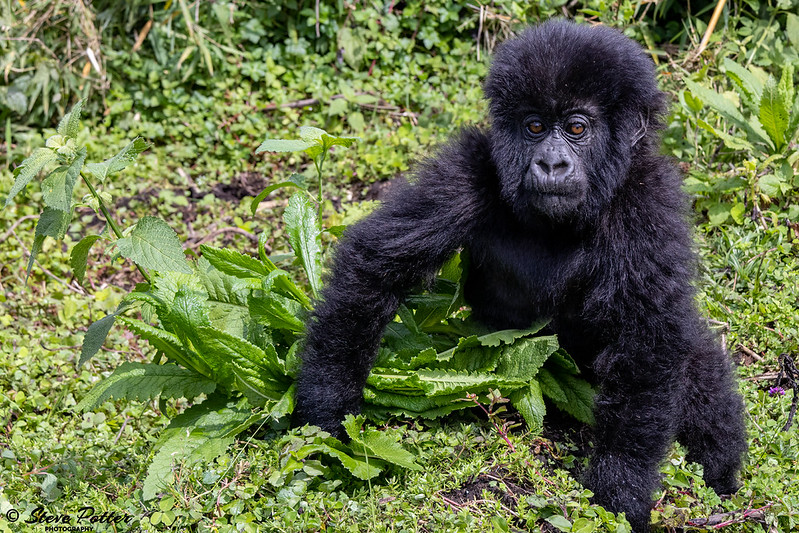
The Gorilla Habituation Experience is a special gorilla activity designed for travelers who want more time to observe mountain gorillas and learn about the process of habituating them to human presence. Instead of visiting a fully habituated gorilla family for a limited observation period, visitors join the conservation team in the forest while the habituation process continues. This makes the experience different from ordinary gorilla trekking. It is not simply a longer version of the same trek. It gives travelers an opportunity to understand more about gorilla behavior, movements, feeding patterns, communication, and the work involved in preparing gorillas for future tourism.
According to UWA’s gorilla and chimpanzee management guidelines, Gorilla Habituation Experience allows visitors to accompany researchers and habituators into the forest to participate in the process of habituating gorillas to human presence. UWA also confirms that Uganda’s mountain gorillas occur in Bwindi Impenetrable National Park and Mgahinga Gorilla National Park. However, the habituation experience is associated with the southern part of Bwindi, particularly the Rushaga sector.
For travelers booking through Zamunda Travels, this distinction matters. A standard gorilla trekking itinerary and a habituation itinerary need different permit arrangements. Your accommodation, transport, trekking sector, and daily schedule should also match the permit you hold.
Can I Upgrade to Habituation After Booking?
You may be able to change your planned experience, but you should not assume that a standard permit can be upgraded automatically. A Gorilla Habituation Experience requires a separate habituation permit. Therefore, the main issue is permit availability, not simply paying a difference at the park entrance.
For example, imagine that you have already booked a standard gorilla trekking permit for Rushaga. You later decide that you want four hours with the gorillas instead of the standard one-hour observation period. Zamunda Travels can check whether a habituation permit is available for your travel date. If a suitable permit is available, the necessary booking arrangements can be made. Your original standard permit would then need to be handled according to the applicable UWA booking and cancellation rules. Travelers should not assume that the standard permit automatically converts into the more expensive habituation permit.
This is why early planning is important. Gorilla permits are date specific, and the availability of a habituation permit can be much more limited than that of a standard trekking permit. UWA’s booking system is used for permit reservations, and its current guidance emphasizes the importance of using authentic permits and designated entry points.
Why Upgrade to Habituation?
The biggest reason to upgrade to habituation is the additional time available with the gorillas. UWA explains that standard gorilla tracking provides one hour of observation once visitors locate a habituated family. The habituation experience, on the other hand, allows visitors to accompany the habituation team and spend much longer observing a group that is still becoming accustomed to people.
That additional time can make a major difference for wildlife enthusiasts and photographers. A longer encounter gives you more opportunity to observe natural behavior rather than focusing only on getting a few photographs during a short viewing period. You may see gorillas feeding, resting, moving through the vegetation, interacting with one another, or responding to sounds within the forest. However, the experience remains a wildlife encounter. Gorillas are wild animals, so their behavior cannot be guaranteed.
Another reason to choose habituation is the conservation element. You are not only watching gorillas. You are also gaining insight into the work involved in making gorilla tourism possible. Researchers, trackers, and habituators spend time monitoring gorilla groups and understanding their behavior. By joining the experience, visitors gain a closer look at this conservation process.
Where Can I Have the Habituation Experience?
The Gorilla Habituation Experience takes place in Bwindi Impenetrable National Park, with the activity associated with the Rushaga sector in southern Bwindi. UWA lists Rushaga among Bwindi’s designated gorilla tracking entry points, alongside Buhoma, Ruhija, and Nkuringo.
This means travelers cannot simply choose any Bwindi sector and expect to participate in habituation. Your permit and itinerary need to correspond with the correct sector. This is one reason why working with an experienced Uganda safari company can make the planning process easier.
Zamunda Travels can organize the itinerary around the Rushaga sector, including accommodation, road transfers, park arrangements, and other activities you may want to combine with the habituation experience. UWA also recommends a 4WD vehicle for many approaches to Bwindi because several routes involve winding and rough roads.
How Long Is the Habituation Experience?
One of the main differences between standard trekking and habituation is the amount of time spent observing the gorillas. Standard gorilla tracking provides up to one hour with a habituated family after the group has been located. UWA’s guidelines describe habituation as a different activity involving researchers and habituators. Current tourism information for Uganda describes the habituation encounter as lasting up to four hours.
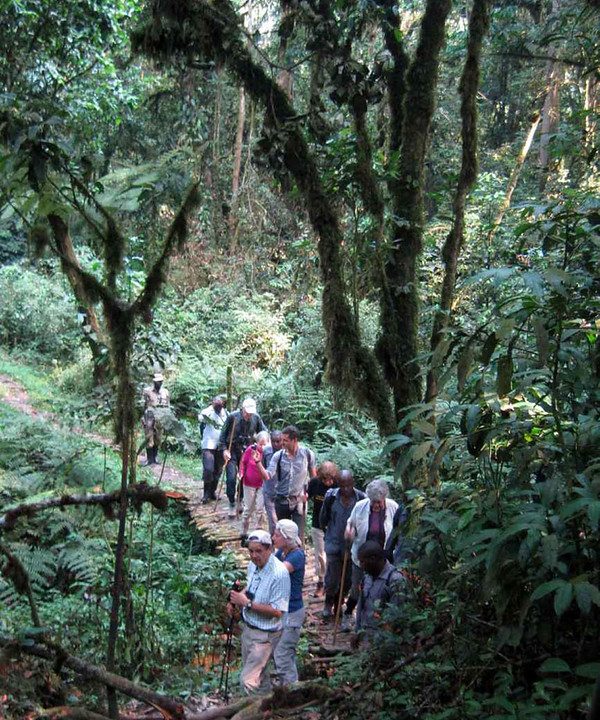
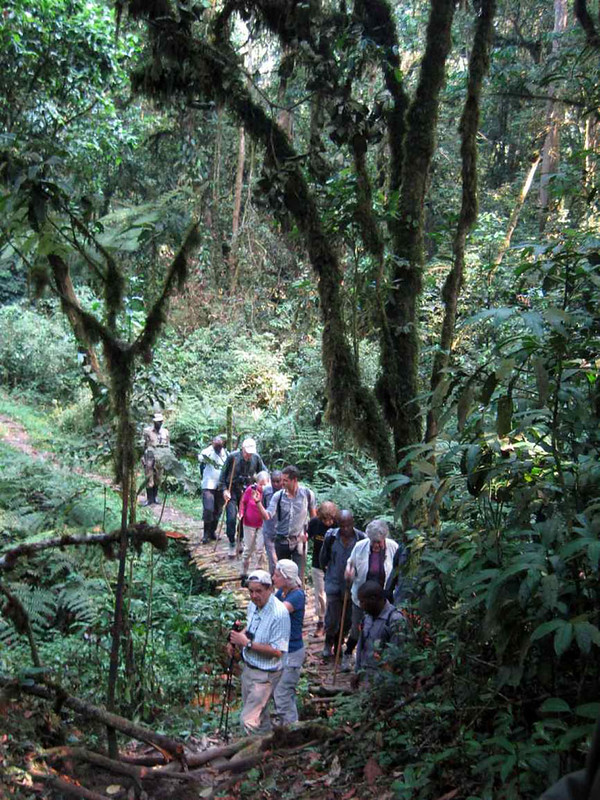
The four hour period does not mean that you will spend four hours standing in exactly the same place. Gorillas move through the forest, and visitors may need to follow them under the direction of the guides and researchers. The forest terrain can also make the experience physically demanding. Therefore, travelers should prepare for a longer day in the forest than they would normally expect from a standard gorilla trek.
The experience also rewards patience. The gorillas may feed, rest, move away, or remain hidden behind vegetation. That uncertainty is part of what makes habituation different from a more predictable wildlife viewing experience.
How Much Does a Habituation Permit Cost?
Permit prices depend on the visitor category and the applicable UWA tariff. Recent 2026 tariff information reports a Gorilla Habituation Experience price of USD 1,800 for foreign non-residents, with different rates for foreign residents, Rest of Africa visitors, and East African citizens.
Because UWA tariffs can change, travelers should confirm the applicable price for their exact travel date before making payment. This is particularly important for people planning trips around a tariff-change date. Zamunda Travels can help travelers confirm the correct permit category and include the permit cost in the overall safari quotation.
It is also important to understand that the habituation permit is only one part of the safari cost. Your total trip may also include accommodation, transportation, meals, guide services, park-related arrangements, airport transfers, and optional activities. A traveler should therefore compare the full itinerary cost rather than looking at the permit price alone.
Is Habituation Worth the Extra Cost?
For many travelers, the answer is yes. However, the decision depends on what you want from your gorilla safari. If your main goal is simply to see mountain gorillas in their natural habitat, a standard trekking permit may already provide an unforgettable experience. If you are passionate about wildlife behavior, photography, research, or conservation, the additional time offered by habituation may justify the higher cost.
The experience is especially appealing to travelers who do not want their gorilla encounter to feel rushed. With standard trekking, the actual observation period is limited. Habituation provides a longer window to watch the animals and understand their behavior. It can also give photographers more time to wait for suitable moments instead of trying to capture everything during a shorter encounter.
However, you should not choose habituation simply because you expect a closer or guaranteed interaction. The gorillas remain wild animals, and visitors must follow the instructions of the guides and conservation team. The quality of the experience depends on the movements and behavior of the gorilla group on the day.
Can Zamunda Travels Help Me Upgrade?
Yes. If you have already booked a standard gorilla trek through Zamunda Travels and later decide that you would prefer habituation, the first step is to contact the company as soon as possible. Zamunda Travels can check the availability of the appropriate habituation permit and advise you about the changes required for your itinerary.
The earlier you make the request, the better. Habituation permits are limited, and availability depends on the date and permit category. Waiting until you arrive in Uganda can create unnecessary uncertainty. Instead, make the decision before your safari begins whenever possible.
Zamunda Travels can also help you adjust the rest of your itinerary. A habituation trek can affect your accommodation location, transfer schedule, meals, and the amount of time you spend in Bwindi. A well planned itinerary ensures that you arrive at the correct sector on time and have enough time to prepare for the forest experience.
What Should I Know Before Choosing Habituation?
Before you decide to upgrade to habituation, consider the physical demands of spending a long period in Bwindi’s forest. The terrain can be steep, muddy, slippery, and uneven. UWA notes that gorilla trekking requires moderate fitness and that treks can last several hours depending on the location of the gorilla family.
You should also prepare for changing weather. Bwindi is a rainforest, so rain can occur even when the weather forecast looks favorable. Waterproof hiking boots, long trousers, a rain jacket, gardening style gloves, drinking water, snacks, insect repellent, and a comfortable daypack can make the experience easier. A walking stick can also provide useful support on steep sections.
Photography requires preparation as well. The forest can be dark under the canopy, and vegetation can obstruct views. A camera with good low light performance can help, but visitors should always follow the instructions of the ranger and maintain the required distance from the gorillas.
Most importantly, approach the experience with patience. The purpose of habituation is not to make gorillas behave like animals in a zoo. It is a carefully managed conservation process designed to help wild gorillas become accustomed to limited human presence.
Habituation or Standard Gorilla Trekking: Which Should You Choose?
The choice depends on your interests, budget, fitness, and available time. Standard gorilla trekking is ideal for travelers who want the classic gorilla experience. It offers the chance to locate a habituated family and spend up to one hour observing the group. Uganda offers standard gorilla trekking in Bwindi and Mgahinga Gorilla National Park.
Habituation is better suited to travelers who want a longer and more specialized experience. It offers more time with a group that is still undergoing habituation and provides greater exposure to the work of researchers and trackers. The experience also requires more patience and physical endurance.
Therefore, neither option is automatically better for every traveler. If you have the budget and a strong interest in gorilla behavior, habituation can be an excellent choice. If you have limited time or prefer a more straightforward wildlife experience, standard trekking may be the better option.
When Should I Request an Upgrade?
The best time to upgrade to habituation is as early as possible during the planning stage. Do not wait until the day before your trek. The availability of the required permit must be confirmed first, and your itinerary may need to change.
If you have already booked your Uganda safari with Zamunda Travels, contact the company immediately if your interests have changed. The team can check the relevant permit availability and explain the additional cost. If the preferred date is unavailable, Zamunda Travels can also help you consider alternative dates or restructure the itinerary.
Early planning also gives you more flexibility with accommodation. Since Rushaga is in southern Bwindi, your lodge should be selected based on the location and timing of the habituation activity. This can save you from unnecessary early morning transfers and help you begin the experience in a relaxed way.
What Makes Gorilla Habituation Special?
Gorilla habituation is special because it combines wildlife viewing with conservation. You are not simply visiting a gorilla family that has already become accustomed to tourists. Instead, you are observing part of the process that helps make future gorilla tourism possible.
The experience also demonstrates why responsible tourism matters. Gorilla tourism generates revenue that supports conservation and local communities. UWA explains that it shares park revenue with communities surrounding protected areas, while tourism also creates opportunities for communities to benefit directly and indirectly.
By choosing a properly managed habituation experience, travelers contribute to a tourism system that places value on protecting mountain gorillas and their forest habitat. This makes the experience meaningful beyond the four hours spent in the forest.
In conclusion, you can upgrade to habituation in the sense that you can change your planned gorilla experience if the appropriate habituation permit is available and the booking arrangements can be made. However, it is not an automatic upgrade from a standard gorilla permit. The Gorilla Habituation Experience requires its own permit and takes place in the Rushaga sector of Bwindi Impenetrable National Park. It also offers a much longer encounter with gorillas that are still undergoing habituation.
If you are considering this option, Zamunda Travels can help you check availability, arrange the correct permit, select suitable accommodation, and build the habituation experience into your Uganda safari itinerary. For travelers who value wildlife, photography, conservation, and extended time in the forest, the Gorilla Habituation Experience can be one of the most rewarding ways to encounter Uganda’s mountain gorillas.