Is Kigali Africa’s Cleanest City?
August 11, 2026
Why Is Rwanda an Expensive Destination?
August 11, 2026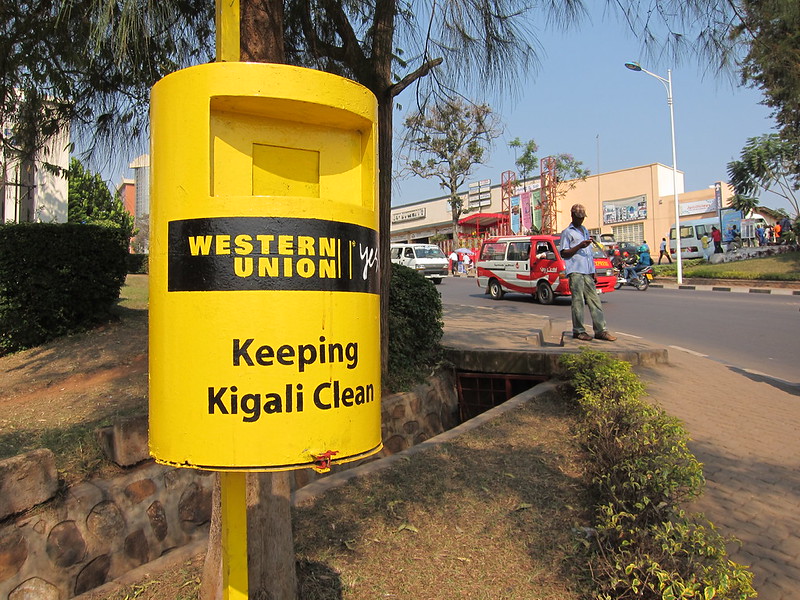
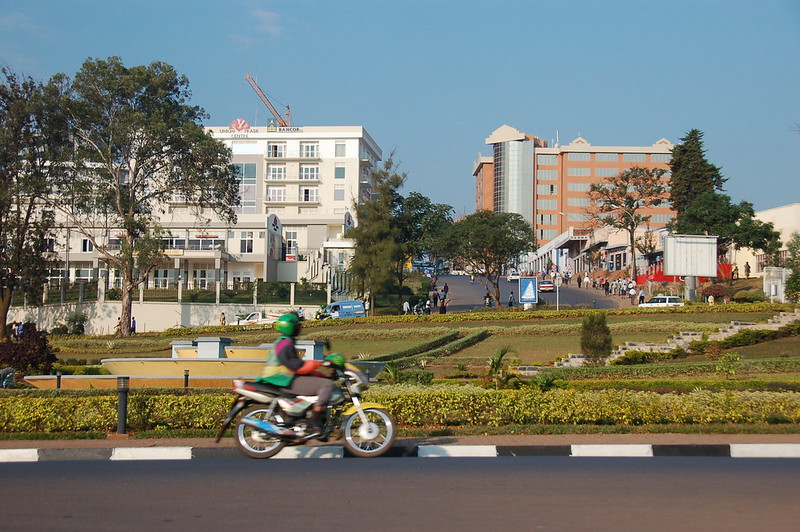
Kigali welcomes visitors with something that few capital cities in the world can offer: streets without litter, roadsides lined with flowers, and air that feels genuinely fresh. Many first time travelers assume this happened by accident, or that a small population simply makes tidiness easier. The truth is far more interesting. The clean environment of Kigali exists because of decades of deliberate policy, firm law enforcement, and a culture that treats civic duty as a shared identity rather than a chore. At Zamunda Travels, this story comes up in almost every conversation with guests who land in Kigali for the first time, because the city rewrites their expectations of what an African capital can look like. This article walks through the laws, the traditions, and the everyday habits that built this reputation, and it explains why the clean environment of Kigali continues to inspire cities across the continent.
A City Built on Discipline: How the Clean Environment of Kigali Took Root
Kigali did not become spotless overnight. The transformation followed the end of the 1994 genocide against the Tutsi, when the government committed to rebuilding national identity through unity, dignity, and shared responsibility. Rwandan leaders understood that a clean city sends a message about order, trust, and self respect. They folded environmental discipline into national recovery plans and treated hygiene as a matter of public pride rather than a cosmetic goal. This mindset still guides policy today, and it explains why cleanliness in Kigali never feels like an isolated campaign.
Officials paired that vision with practical tools. Kigali City Council introduced zoning rules, waste collection contracts, and strict construction codes that keep new buildings aligned with sanitation standards. Local leaders also enforced these rules consistently, which built public trust over time. Residents saw real consequences for littering and illegal dumping, so compliance became normal rather than exceptional. This consistency, more than any single law, sustains the clean environment of Kigali year after year.
The Historical Roots of Rwanda’s National Cleanup Culture
Long before modern legislation existed, Rwandan communities practiced collective labor to solve shared problems. Neighbors gathered to build homes, clear farmland, or support families facing hardship. The government revived and formalized this tradition after the genocide, turning an old custom into a nationwide institution. That decision linked cleanliness directly to cultural memory, so keeping the city tidy became an act of healing as well as civic duty. Travelers who join Zamunda Travels tours often say this history changes how they see the practice; it stops looking like a rule and starts looking like a promise Rwandans made to one another.
Umuganda: The Cultural Heartbeat of the Clean Environment of Kigali
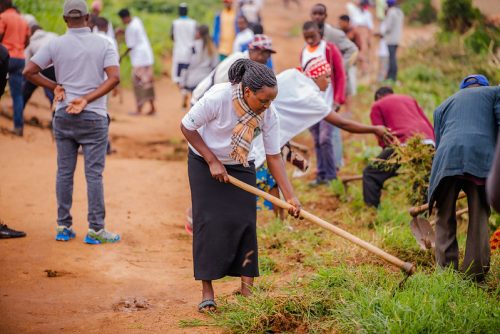
No policy explains the clean environment of Kigali better than Umuganda. On the last Saturday of every month, businesses close, traffic pauses, and residents step outside to clean their neighborhoods together. Umuganda activities range from cleaning streets and planting trees to building houses for vulnerable families and repairing public facilities. The practice is mandatory for able bodied adults, and non participation can lead to fines, since Kigali treats Umuganda as a civic obligation rather than an optional activity. This firmness might sound strict to outsiders, yet residents largely embrace it because they see the direct results in their own streets.
What Happens During a Typical Umuganda Morning
A standard Umuganda session runs for a few hours in the morning, and shops and offices stay closed while citizens sweep roads, plant trees, and repair public infrastructure between roughly eight and eleven o’clock. Government officials, business owners, and everyday residents work side by side during this window, which removes any sense of hierarchy from the effort. Sweeping a gutter next to a government minister teaches a different lesson than reading about civic duty in a textbook. Guides at Zamunda Travels sometimes arrange for interested visitors to observe or even join a session respectfully, because watching a whole neighborhood mobilize in unison leaves a lasting impression.
Why Umuganda Builds More Than Clean Streets
Umuganda accomplishes something beyond sanitation. Neighbors who might rarely interact end up trading tools, sharing meals, and solving local disputes together after the work ends. This social bonding strengthens trust across the community and reduces isolation, particularly in newer neighborhoods where residents have recently relocated. Cleanliness becomes a byproduct of connection rather than the sole purpose of the activity. Over time, this cycle reinforces itself: stronger communities protect their shared spaces more diligently, and cleaner spaces make people prouder of their communities.
The Plastic Ban That Changed a Nation
Rwanda’s approach to plastic waste stands among its boldest environmental decisions. Rwanda became one of the first countries in the world to ban plastic bags, putting the law into effect in 2008. That decision predated similar bans in most other African nations by more than a decade, and it reshaped daily commerce almost immediately. Markets switched to paper and reusable packaging, manufacturers adjusted their supply chains, and shoppers adopted cloth bags as a matter of habit rather than novelty.
Enforcement makes this policy work in practice. Travelers entering Rwanda have their luggage inspected for plastic bags at the border, and local businesses must rely on paper or reusable alternatives instead. This level of scrutiny might surprise first-time visitors, but it protects the results that decades of policy built. Zamunda Travels reminds every guest before departure to repack toiletries and souvenirs in fabric or paper bags, since this small adjustment prevents unnecessary delays at customs and keeps the trip running smoothly.
Life Without Plastic Bags in Kigali
Daily life in Kigali reflects this ban in ways that visitors notice quickly. Vendors wrap produce in banana leaves or paper, tailors package clothing in cloth bundles, and supermarkets sell reusable totes near the checkout counter. Streets and drainage channels stay clear of the plastic waste that clogs many other cities during heavy rain. Fewer plastics also mean fewer microplastics entering local soil and water systems, which protects agriculture in the surrounding hills. The clean environment of Kigali owes much of its visual clarity to this single, well-enforced regulation.
Government Policy and Urban Planning Behind the Clean Environment of Kigali
Beyond Umuganda and the plastic ban, Kigali relies on structured urban planning to keep pollution and disorganized growth in check. The Rwanda Environment Management Authority, together with Kigali City Council, sets standards for waste disposal, industrial emissions, and construction practices across the capital. These agencies do not simply write policy; they monitor compliance and issue penalties when businesses or residents break the rules. That accountability turns environmental law into a living system instead of a document that sits untouched on a shelf.
Waste Management and the Circular Economy Approach
Kigali now treats waste as a resource rather than a burden. City data shows Kigali’s population reaching roughly 1.75 million people, generating waste at a rate near 0.56 kilograms per person each day, and much of that material holds real value. Organic matter makes up the largest share of this waste stream, creating strong potential for compost production in agriculture and biogas generation for fuel. City planners now push private waste collectors toward reducing, reusing, and recycling material instead of simply burying it, which keeps landfill pressure low and supports a circular economy model that other African capitals are beginning to study.
Green City Kigali and the Master Plan 2050
Kigali’s long-term vision extends the clean environment of Kigali far into the future. City authorities approved and gazetted the original master plan in 2013, then reviewed it years later under the shared vision “Kigali Yacu,” meaning “Our Kigali” in Kinyarwanda. That update grew into the broader Kigali Master Plan 2050, which guides zoning, housing, and infrastructure decisions across the capital. Within this framework sits the Green City Kigali pilot project, a 600-hectare development on Kinyinya Hill designed to house between 170,000 and 200,000 residents through affordable, sustainable urban growth. Planners expect the project to hit ambitious sustainability targets, since roughly 38 percent of trips within the community should happen on foot or by bicycle, while 40 percent should rely on public transport. These figures show that Kigali plans its environmental identity decades in advance rather than reacting to problems after they appear.
Green Spaces, Parks, and Everyday City Life
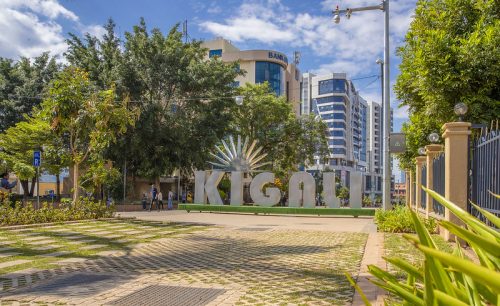
Urban greenery plays a quiet but powerful role in shaping how residents experience the clean environment of Kigali. City planners protect wetlands, hillsides, and river valleys instead of paving over them, which keeps natural drainage systems intact and reduces flooding during the rainy season. Public gardens, tree-lined medians, and landscaped roundabouts appear throughout the city, and maintenance crews tend them daily rather than occasionally. This constant upkeep signals to residents that green spaces matter as much as roads or buildings.
Nyandungu Eco Park and Urban Nature
Nyandungu Eco Park stands as one of the clearest examples of this philosophy. City authorities restored a former wetland that had suffered from illegal dumping and encroachment, transforming it into a protected nature reserve within city limits. Walking trails, wildlife habitats, and native plant collections now sit only minutes from downtown offices and apartments. Families visit on weekends, students study local ecology on site, and international travelers often rank the park among their favorite unexpected stops in Kigali. Zamunda Travels frequently includes a Nyandungu visit in half day city itineraries, because it captures the balance between urban convenience and environmental stewardship better than almost any other location.
How Zamunda Travels Helps You Experience the Clean Environment of Kigali
Understanding a policy on paper differs greatly from walking through its results. Zamunda Travels builds Kigali itineraries around this contrast, guiding visitors through neighborhoods, markets, and public parks while explaining the history behind each clean street corner. Guests often join a scheduled Umuganda session when their travel dates align with the last Saturday of the month, which gives them a firsthand look at the discipline behind the city’s reputation. Local guides working with Zamunda Travels also brief travelers on plastic bag restrictions before arrival, so nobody faces confusion at customs or during shopping trips. This preparation lets guests focus on enjoying Kigali rather than navigating unfamiliar rules on their own.
Every itinerary from Zamunda Travels treats sustainability as part of the experience rather than an afterthought. Drivers favor efficient routes to reduce emissions, accommodation partners follow local waste management standards, and city tours highlight green infrastructure projects such as Green City Kigali. Travelers leave with more than photographs; they leave with a clear understanding of how policy, culture, and daily habit combine to protect a city’s environment.
Comparing Kigali to Other African Cities
Kigali’s achievements stand out most clearly next to other rapidly growing African capitals. Cities such as Lagos, Nairobi, and Accra continue to struggle with plastic waste because enforcement of environmental regulations remains inconsistent, even where similar laws exist on paper. Kigali avoided this gap by pairing legislation with visible, community driven enforcement through Umuganda and strict customs checks. Urban planning also separates Kigali from many peer cities, since zoning rules keep industrial, residential, and commercial areas distinct instead of allowing chaotic mixed development. This structure reduces pollution hotspots and keeps neighborhoods easier to maintain.
Public perception reflects these differences. International rankings consistently place Kigali among the cleanest cities on the continent, and residents frequently describe safety and cleanliness as connected outcomes rather than separate achievements. When streets stay well lit, well maintained, and free of debris, people walk more, linger longer in public spaces, and take greater ownership of their surroundings. That feedback loop keeps reinforcing itself, which explains why the clean environment of Kigali has proven durable rather than temporary.
Final Thoughts on the Clean Environment of Kigali
The clean environment of Kigali did not appear through luck, climate, or coincidence. It grew from a deliberate mix of firm policy, consistent enforcement, and a cultural tradition that treats collective responsibility as a source of pride rather than a burden. Umuganda keeps residents personally invested in their surroundings, the plastic bag ban removed a major pollution source before most nations even considered the idea, and long term plans such as Green City Kigali extend this commitment decades into the future. Travelers who explore the city with Zamunda Travels come away understanding that cleanliness here reflects something deeper: a national identity built on unity, discipline, and care for shared spaces. Anyone curious about what a truly sustainable African capital can look like should start planning a visit, because Kigali offers a working example rather than a distant promise.