Why You Should Not Miss Nile Water Rafting on Your Vacation in Uganda
April 22, 2026
Which Is the Closest Airport for Gorilla Trekking: Kigali or Entebbe?
April 22, 2026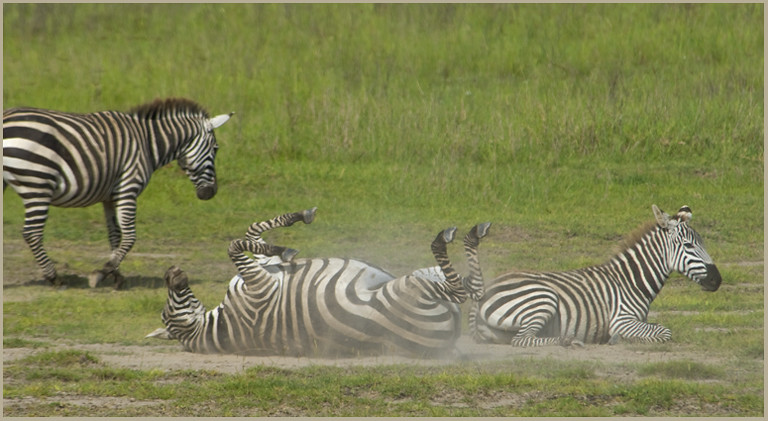
Dust rises in soft clouds across savannas, forests, and farmlands, yet this simple act reveals a powerful survival strategy. Animals do not roll in dust for play alone. They use it as a tool for health, comfort, and protection. From birds to large mammals, many species depend on this behavior every day. At Zamunda Travels, we often guide travelers who witness this fascinating habit in the wild and ask why it matters. Understanding dust bathing animals helps you see wildlife with deeper insight and respect.
What Is Dust Bathing in Animals?
Dust bathing animals engage in a deliberate process. They scratch the ground, loosen dry soil, and then roll, flap, or rub their bodies in it. This action coats their skin, fur, or feathers with fine particles. Birds such as chickens and sparrows dig shallow pits and toss dust over their backs. Mammals like elephants and warthogs spray or roll in soil after a mud bath dries. This behavior may look playful, yet it serves clear biological purposes. It supports hygiene, temperature control, and parasite defense in ways water alone cannot.
Dust Bathing Animals and Parasite Control
One major reason dust bathing animals perform this act lies in parasite removal. External parasites such as mites, ticks, and lice thrive in warm, moist conditions. Dust disrupts their environment. Fine particles absorb oils and moisture from the skin, making it harder for parasites to survive. In birds, dust penetrates feathers and reaches the skin where pests hide. As a result, regular dust bathing reduces infestation levels and improves overall health. This natural method works without chemicals, making it both effective and sustainable in the wild.
How Dust Bathing Animals Maintain Skin and Feather Health
Dust bathing animals also rely on this behavior to maintain healthy skin and feathers. Excess oil can build up over time, especially in birds that produce natural oils for feather maintenance. Dust absorbs this extra oil and prevents clumping. Clean feathers allow birds to fly efficiently and regulate body temperature better. In mammals, dust helps keep fur dry and less prone to irritation. Healthy skin acts as a barrier against infections, so this simple act plays a key role in long-term survival.
Dust Bathing Animals for Temperature Regulation
In hot environments, dust bathing animals use soil as a cooling tool. Dry earth can provide insulation against extreme heat. When animals coat their bodies in dust, they create a thin layer that reflects sunlight and reduces direct heat exposure. Elephants often combine mud and dust bathing to achieve this effect. First, they apply wet mud, then they cover it with dust once it dries. This layered protection shields their sensitive skin from harsh sun and insects. Consequently, animals remain active even in challenging climates.
Behavioral and Social Benefits of Dust Bathing Animals
Beyond physical health, dust bathing animals gain behavioral benefits. This activity reduces stress and promotes comfort. Birds, for example, show signs of relaxation and satisfaction after a dust bath. In some species, group dust bathing strengthens social bonds. Animals gather in safe areas and engage in the activity together. This shared behavior builds trust and reduces tension within the group. Observing such moments on a safari with Zamunda Travels offers a unique glimpse into animal social life.
Where Travelers Can Observe Dust Bathing in the Wild
Travelers can witness dust bathing animals across many African landscapes. Open savannas, dry riverbeds, and forest clearings provide ideal conditions. Birds often dust bathe in sunny patches of loose soil. Larger mammals choose dry ground near water sources. During guided tours with Zamunda Travels, guests often see elephants tossing dust over their backs or birds fluttering in shallow pits. These moments add depth to wildlife experiences because they reveal natural behaviors rather than staged encounters.
Why Dust Bathing Matters in Conservation
Dust bathing animals depend on access to natural habitats with suitable soil conditions. Habitat destruction and environmental changes can limit these areas. When animals lose access to dust bathing sites, their health may decline due to increased parasites and stress. Conservation efforts must protect not only food and water sources but also behavioral spaces. By supporting responsible tourism with Zamunda Travels, travelers help promote conservation practices that protect these essential natural behaviors.