Why Pian Upe Wildlife Reserve Should Be on Your Safari List
April 22, 2026
Gorilla Trekking Briefing in Uganda and Rwanda: Essential Dos and Don’ts for a Responsible Encounter
April 26, 2026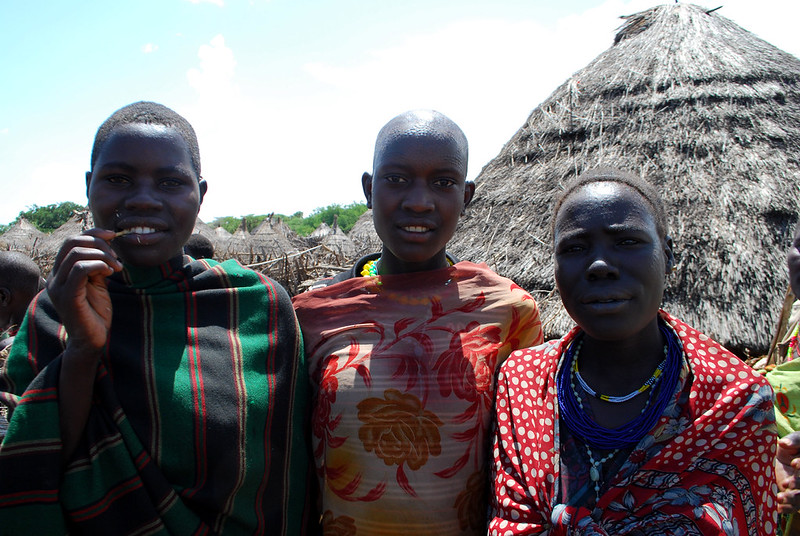
In the remote plains of Karamoja, the traditional homesteads known as manyattas form the heartbeat of the Karamojong people culture. These circular settlements reflect a deep connection between community, livestock, and the harsh semi-arid environment. When travelers visit this region with Zamunda Travels, they step into a living cultural landscape where traditions remain intact despite the passage of time. The Karamojong manyattas are not just homes. They are social systems, protective structures, and symbols of identity that continue to shape daily life.
Understanding Karamojong Manyattas Structure
The Karamojong manyattas consist of carefully arranged huts built using locally sourced materials such as mud, sticks, and thatch. Each homestead follows a circular design, which creates a strong defensive barrier against both wild animals and historical tribal conflicts. Inside the enclosure, families organize their huts according to age, gender, and marital status. The central kraal holds cattle, which remain the most valued asset in Karamojong society. This layout highlights the importance of livestock while also reinforcing family unity. Visitors exploring Karamojong manyattas with Zamunda Travels often notice how every structural detail serves both a practical and cultural purpose.
Daily Life in Karamojong Manyattas
Life inside Karamojong manyattas follows a rhythm shaped by livestock care, communal responsibilities, and seasonal changes. Men often take charge of herding cattle across the savannah in search of pasture and water. Meanwhile, women build huts, prepare meals, and care for children. Social life thrives within the manyatta, where elders share stories, teach traditions, and guide decision-making. Food preparation, dancing, and storytelling bring people together each evening. This lifestyle creates a strong sense of belonging, which visitors quickly feel during cultural visits arranged by Zamunda Travels. The experience offers a rare opportunity to witness authenticity in its purest form.
Cultural Significance of Karamojong Manyattas
Karamojong manyattas carry deep cultural meaning beyond their physical appearance. They represent security, identity, and continuity across generations. Each manyatta reflects the values of cooperation and resilience, which remain essential in a challenging environment. Ceremonies such as marriages, initiations, and community gatherings often take place within or around these homesteads. These events strengthen social bonds and preserve cultural knowledge. Travelers who engage with Karamojong manyattas gain insight into a way of life that prioritizes community over individualism. Zamunda Travels ensures that these interactions remain respectful and beneficial to local communities.
Visiting Karamojong Manyattas Responsibly
Tourism in Karamoja continues to grow, but responsible travel remains essential when visiting Karamojong manyattas. Visitors should respect local customs, ask permission before taking photographs, and support community-based tourism initiatives. Zamunda Travels promotes ethical experiences that empower local people while preserving their traditions. By choosing guided cultural visits, travelers contribute to sustainable development in the region. This approach helps protect the authenticity of Karamojong manyattas for future generations while offering meaningful travel experiences.
Why Karamojong Manyattas Should Be on Your Travel List
Exploring Karamojong manyattas offers more than sightseeing. It provides a deeper understanding of Uganda’s cultural diversity and resilience. Unlike modern urban settings, these homesteads reveal a lifestyle built on harmony with nature and strong social connections. Travelers seeking authentic cultural immersion will find Karamoja both humbling and inspiring. With Zamunda Travels, every visit becomes a carefully curated journey into one of Africa’s most fascinating living cultures.