Why Is Bwindi Forest Called the Impenetrable Forest?
August 13, 2026
What is the Distance from Entebbe to Murchison Falls National Park
August 13, 2026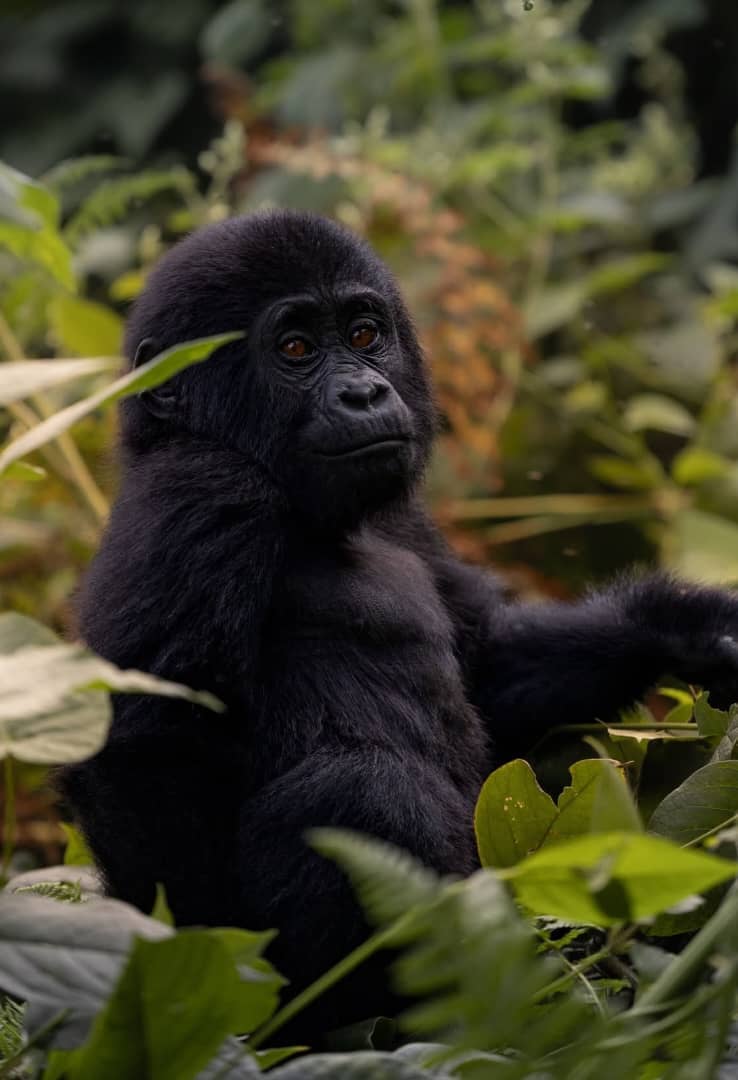
Gorilla trekking Uganda in Bwindi Impenetrable Forest is one of Africa’s most remarkable wildlife experiences. It takes travelers deep into a protected mountain rainforest in southwestern Uganda. Here, visitors follow experienced trackers through steep slopes, tangled vegetation, bamboo stands, and forest trails in search of habituated mountain gorilla families. The experience offers more than a wildlife sighting. It creates a close connection between visitors, the forest, conservation teams, and communities living around the park.
Bwindi Impenetrable National Park covers about 32,092 hectares and forms part of the wider Bwindi-Mgahinga conservation landscape. UNESCO recognizes the park as a World Heritage Site because of its exceptional biodiversity. The forest supports almost half of the world’s mountain gorilla population. It also protects many other species, including forest birds, primates, butterflies, and plants found within the Albertine Rift.
For travelers planning gorilla trekking Uganda, Bwindi offers four main trekking sectors. These are Buhoma, Ruhija, Rushaga, and Nkuringo. Each sector has its own character, accommodation options, trails, and gorilla families. Therefore, choosing the right sector can make a major difference to the overall safari experience. Zamunda Travels helps travelers plan their gorilla safari around their preferred route, accommodation level, travel dates, and wider Uganda itinerary.
Why Choose Gorilla Trekking Uganda in Bwindi?
Bwindi stands among the world’s most important mountain gorilla habitats. The forest provides a protected environment where mountain gorillas can live, feed, reproduce, and interact naturally. UNESCO describes Bwindi as a biodiversity hotspot on the eastern edge of the Albertine Rift. The park also contains an exceptional mixture of lowland and montane forest habitats.
The attraction goes beyond the gorillas. As you walk through Bwindi, you enter a complex ecosystem filled with towering trees, vines, ferns, shrubs, bamboo, mosses, and other vegetation. The terrain changes constantly, so every trek feels different. In some areas, the trail passes through open sections of forest. Elsewhere, thick vegetation closes around the path. This combination gives gorilla trekking Uganda its adventurous character.
Another reason to choose Bwindi is the variety of trekking sectors. Buhoma lies in the northern part of the park and has a long history of gorilla tourism. Ruhija offers beautiful highland scenery and also attracts birdwatchers. Rushaga and Nkuringo provide trekking opportunities in the southern part of the forest. Zamunda Travels can help travelers select the sector that best matches their itinerary.
What to Expect on the Trek
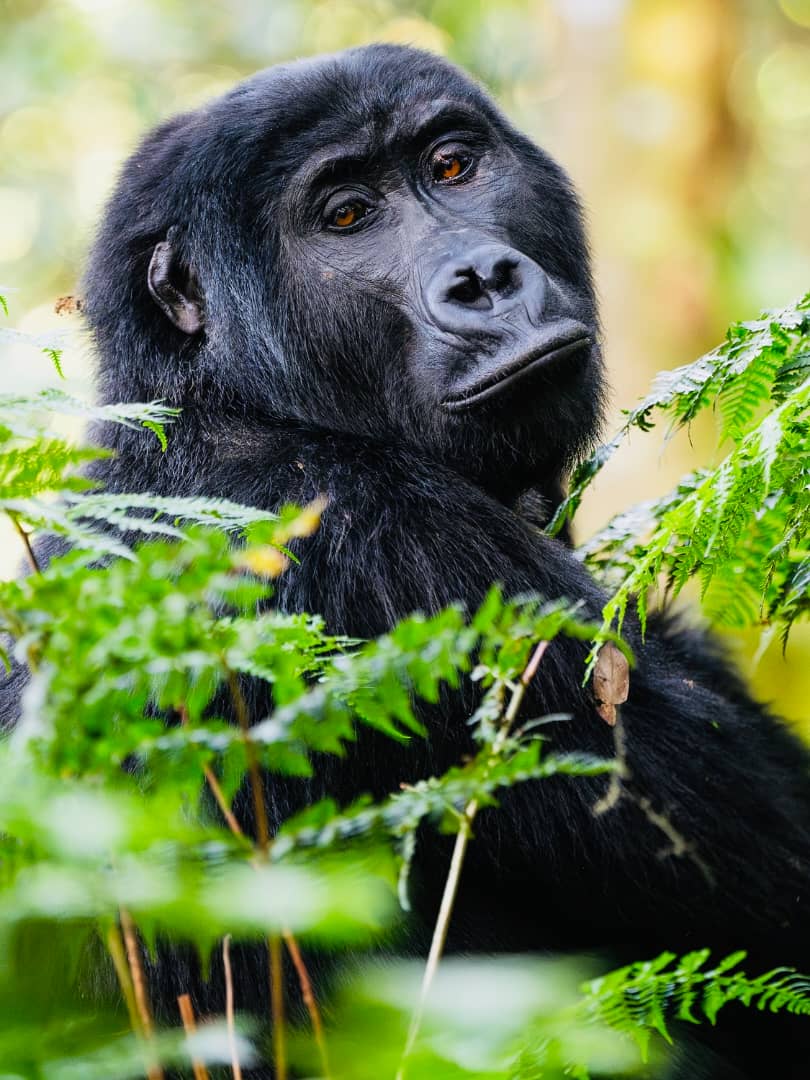
A typical gorilla trek starts early in the morning at the relevant park headquarters. Visitors receive a briefing before entering the forest. Rangers explain the trekking rules, safety procedures, and responsible behavior around the gorillas. Uganda Wildlife Authority states that gorilla tracking can take around two to seven hours, depending on the location of the gorilla family and the conditions of the trek. Once the group finds the habituated family, visitors receive up to one hour with the gorillas.
The trek itself requires patience. Mountain gorillas do not remain in one fixed location. They move through their habitat while feeding, resting, and interacting with other members of their group. Rangers and trackers use their knowledge of the forest to follow signs and locate the family. Consequently, the walking time can vary from one day to another.
The terrain also adds to the adventure. Bwindi is mountainous and densely vegetated. Some trails involve steep climbs and descents. Wet conditions can make paths slippery, especially during rainy periods. Travelers should therefore prepare with sturdy hiking shoes, suitable clothing, drinking water, and basic rain protection. A reasonable level of fitness can also make the experience more comfortable.
Gorilla Trekking Uganda Permit Cost
A gorilla permit is essential for visitors who want to track habituated mountain gorillas in Uganda. Under the Uganda Wildlife Authority’s 2024–2026 conservation tariff, the standard gorilla tracking permit for foreign non-residents costs US$800 per person. The same tariff lists different rates for foreign residents and East African citizens. The tariff also states that the permit includes the guide fee, park entrance fee for the day, and a community development contribution.
Uganda also offers a gorilla habituation experience. The 2024–2026 UWA tariff lists this experience at US$1,500 for foreign non-residents. It provides a longer encounter with a gorilla group undergoing habituation. Travelers interested in this option should discuss availability and suitability with Zamunda Travels before confirming their safari.
Permit availability is important because gorilla tourism operates under controlled visitation. Booking early can help travelers secure their preferred trekking date and sector. Zamunda Travels can assist with organizing permits, accommodation, transport, and the other services required for a complete gorilla safari.
The Four Bwindi Gorilla Trekking Sectors
Buhoma
Buhoma is one of the best-known areas for gorilla trekking in Bwindi. It has a long history of gorilla tourism and offers access to several forest trails. Travelers staying in Buhoma can also combine gorilla trekking with other forest activities. These may include nature walks, birdwatching, and community experiences.
Ruhija
Ruhija sits in the eastern section of Bwindi and provides a different forest experience. The area is particularly attractive to birdwatchers because Bwindi supports a large number of Albertine Rift bird species. Travelers can combine their gorilla adventure with additional birding or nature activities.
Rushaga
Rushaga lies in southern Bwindi and provides access to several habituated gorilla groups. The sector can work well for travelers combining gorilla trekking with routes toward Lake Bunyonyi, Kisoro, or Rwanda. Its location can therefore fit conveniently into some southwestern Uganda and cross-border itineraries.
Nkuringo
Nkuringo sits in the southern highlands of Bwindi. The area is known for dramatic landscapes and mountainous scenery. The terrain can be challenging, but the surrounding views provide a memorable backdrop for the trek. Travelers who enjoy hiking and scenic landscapes often find this sector particularly appealing.
What Makes Gorilla Trekking in Uganda Different?
Gorilla trekking Uganda combines wildlife, hiking, rainforest exploration, and conservation in one experience. Unlike a conventional game drive, visitors do not simply remain inside a vehicle and wait for animals to appear. Instead, they walk through the natural habitat of the gorillas. The forest itself becomes part of the experience.
The biodiversity of Bwindi adds another layer to the adventure. UNESCO records more than 347 bird species in the park, including numerous Albertine Rift species. The forest also supports threatened mammals and a wide range of butterflies and other wildlife.
The experience also contributes to conservation and community development. Uganda Wildlife Authority reported a 2025 revenue sharing disbursement of more than UGX 2.19 billion to communities around the Bwindi-Mgahinga Conservation Area. The funds came from park entry fees and the gorilla permit levy and supported local development projects.
Therefore, choosing a gorilla safari with a responsible operator such as Zamunda Travels does more than create a memorable holiday. It supports a tourism system that connects wildlife protection with local communities.
Best Time for Gorilla Trekking Uganda
Gorilla trekking Uganda is possible throughout the year. However, weather conditions can influence the hiking experience. Bwindi receives rainfall across much of the year because of its rainforest environment. During wetter periods, trails can become muddy and slippery. Nevertheless, rainy conditions can also create lush scenery and vibrant forest vegetation.
The drier periods often appeal to travelers who prefer easier trail conditions. However, there is no guarantee that a trek will be easy on a particular day. Gorilla movements, terrain, rainfall, and altitude can all influence the experience.
For this reason, travelers should choose their dates based on their wider Uganda safari plans rather than assuming that one month guarantees perfect trekking conditions. Zamunda Travels can help match the trekking date with the rest of the itinerary.
What to Pack for Gorilla Trekking
Good preparation can make a major difference during the trek. Travelers should carry sturdy hiking shoes with good grip, long trousers, a long sleeved shirt, a lightweight waterproof jacket, gardening gloves, a hat, drinking water, snacks, insect repellent, and a small backpack.
Gaiters can also help protect the lower legs from mud and vegetation. A walking stick may provide additional support on steep or slippery sections. Travelers should avoid carrying unnecessary luggage because the trek involves walking through challenging terrain.
A camera with a suitable lens can help capture the experience. However, visitors should always follow ranger instructions regarding photography and distance from the gorillas.
Gorilla Trekking Rules in Bwindi
Gorilla tourism depends on responsible visitor behavior. Travelers must follow instructions from rangers and trackers throughout the encounter. Visitors should maintain the required distance from the gorillas, avoid making unnecessary noise, and never attempt to touch or feed them.
Travelers should also avoid visiting the gorillas when they are sick. Mountain gorillas are susceptible to human respiratory illnesses, so responsible tourism protects both visitors and wildlife.
The rules are not simply formalities. They help reduce stress and disease risks for the gorillas while allowing visitors to observe them in a controlled manner.
Combining Gorilla Trekking with a Uganda Safari
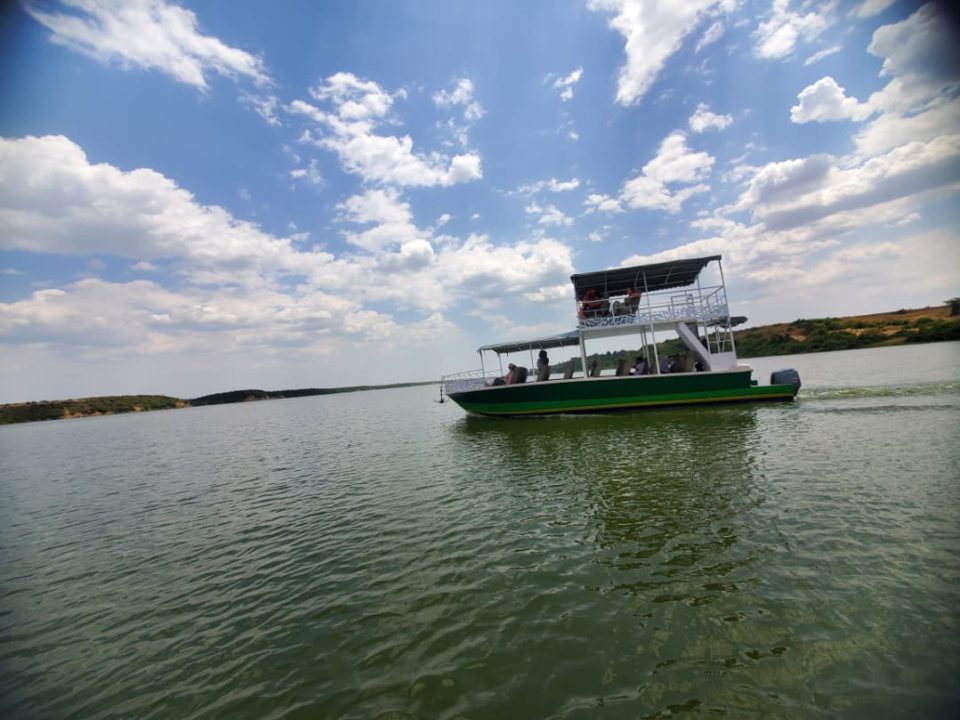
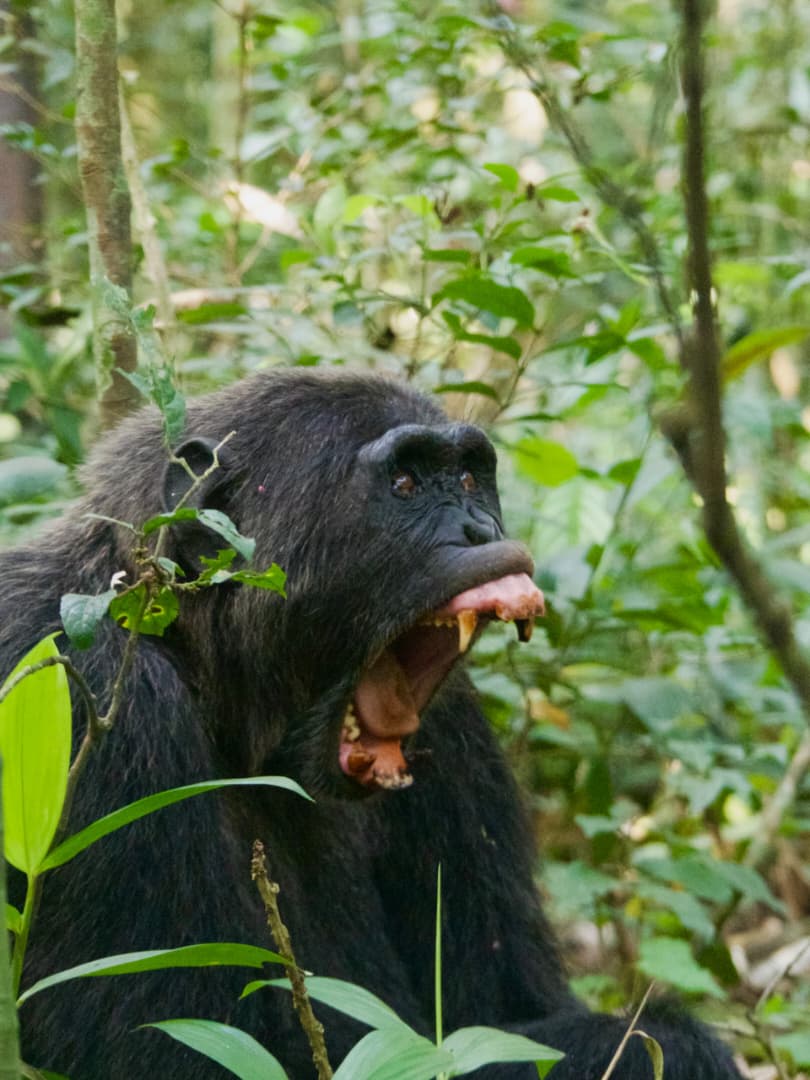
Gorilla trekking can form the centerpiece of a longer Uganda safari. Travelers can combine Bwindi with Queen Elizabeth National Park for game drives and a boat cruise along the Kazinga Channel. Another popular combination includes Kibale National Park for chimpanzee tracking. Travelers with more time can also visit Murchison Falls National Park, Lake Mburo National Park, or Kidepo Valley National Park.
Zamunda Travels can design a route around the traveler’s available time and interests. A shorter itinerary may focus on Bwindi and one nearby destination. A longer safari can combine gorillas with chimpanzees, savannah wildlife, landscapes, and cultural experiences.
This flexibility makes Uganda particularly attractive for travelers who want more than one wildlife experience during the same journey.
Is Gorilla Trekking Uganda Worth It?
For travelers interested in rare wildlife, rainforest hiking, and conservation, gorilla trekking Uganda offers an exceptional experience. The encounter takes place in one of Africa’s most important forest ecosystems. It also provides an opportunity to see mountain gorillas in their natural habitat while supporting conservation efforts.
The trek may be physically demanding. However, the reward comes from entering a protected rainforest and observing one of the world’s most endangered great apes. Every trek is different because the gorillas determine the route and the duration of the search.
Zamunda Travels can help turn this experience into a well organized Uganda safari. From gorilla permit arrangements and accommodation to transportation and additional wildlife activities, careful planning allows travelers to focus on enjoying the forest and the remarkable animals that call it home.
In conclusion, gorilla trekking Uganda in Bwindi Impenetrable Forest combines adventure, wildlife, conservation, and cultural tourism in a way few African experiences can match. Bwindi’s dense rainforest, rugged terrain, exceptional biodiversity, and mountain gorillas create an unforgettable setting. With responsible planning and the support of an experienced operator such as Zamunda Travels, visitors can explore this extraordinary part of Uganda while contributing to the protection of its wildlife and surrounding communities.