The Gishora Drum Sanctuary
August 13, 2026
Gorilla Trekking Uganda in Bwindi Impenetrable Forest
August 13, 2026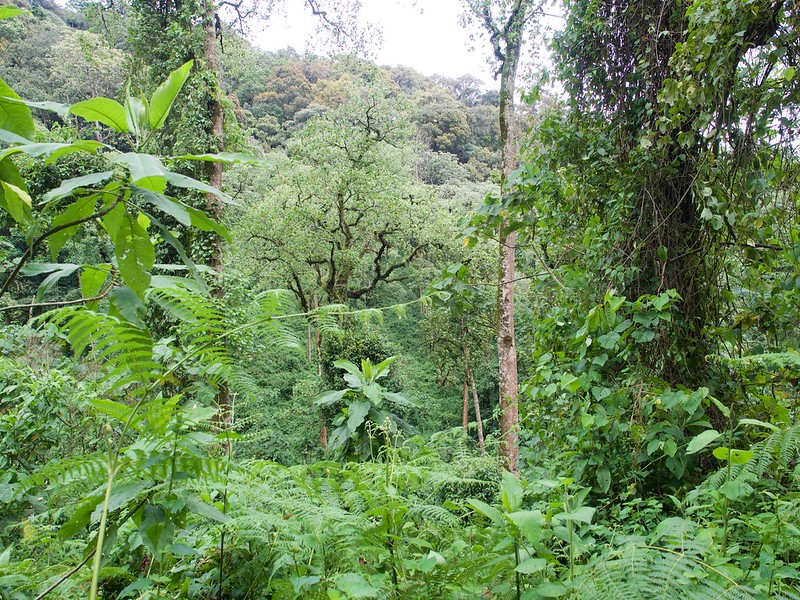
Bwindi Impenetrable National Park is one of Uganda’s most extraordinary natural attractions. Located in southwestern Uganda along the Albertine Rift, the park protects 32,092 hectares of ancient Afromontane and lowland forest. It is best known for its mountain gorillas, yet the forest itself is just as remarkable. Its thick vegetation, steep hills, narrow valleys, tangled undergrowth, and rich biodiversity create an environment that can be extremely difficult to walk through. These features explain why the forest became known as the Bwindi Impenetrable Forest. UNESCO recognizes Bwindi as a World Heritage Site because of its exceptional biological importance. The forest is also home to almost half of the world’s mountain gorilla population.
The word “impenetrable” does not mean that people cannot enter Bwindi. Thousands of visitors enter the forest each year through controlled tourism activities. Instead, the name describes the forest’s natural character. Thick vegetation can make movement difficult, while steep and slippery terrain adds another challenge. In some areas, the undergrowth becomes so dense that walking away from established trails would be extremely difficult. For travelers visiting with Zamunda Travels, this is an important part of understanding what makes a Bwindi gorilla trekking safari different from a typical wildlife drive.
Why Is Bwindi Forest Called the Impenetrable Forest?
The simplest answer is the forest’s remarkable density. Bwindi contains layers of vegetation that grow close together. Tall trees form the upper canopy, while smaller trees, shrubs, ferns, vines, bamboo, and other plants occupy the lower levels. This dense understorey can create a natural barrier for anyone attempting to move through the forest without a trail.
The terrain makes the forest even more challenging. Bwindi sits across a rugged landscape of hills and valleys. Its elevation varies considerably, creating different forest habitats within the protected area. UNESCO describes the park as an important example of Afromontane forest that extends into the montane forest belt.
Therefore, the name reflects both vegetation and landscape. A traveler does not simply walk across flat ground. Instead, a trek can involve climbing slopes, crossing muddy sections, stepping over exposed roots, and moving carefully through thick vegetation. These conditions give Bwindi its distinctive wilderness character.
How Dense Vegetation Makes Bwindi Impenetrable
Vegetation is perhaps the most obvious reason behind the forest’s famous name. Bwindi contains a remarkable variety of plant life, including trees, ferns, vines, bamboo, shrubs, and other forest plants. The vegetation grows in several layers, creating a thick environment where visibility can become limited.
Some areas receive less direct sunlight because the canopy blocks much of the light from above. Dense foliage then fills the space below. This creates a darker forest atmosphere in certain sections. The name Bwindi is also commonly linked to a local expression associated with darkness or a dark place. One explanation connects the name to the dense bamboo and hardwood forest that creates a shaded environment.
The combination of vegetation and limited visibility gives the forest a truly wild appearance. Unlike an open savannah, where travelers can see animals from a considerable distance, Bwindi requires visitors to explore slowly. A bird may call from the canopy without being immediately visible. A monkey may move through thick foliage before disappearing again. Even the search for gorillas involves following subtle signs through the forest.
For this reason, visitors should never attempt to explore the forest independently. Guided walks help travelers navigate the terrain while reducing their impact on the ecosystem.
The Rugged Terrain Behind Bwindi’s Name
Vegetation alone does not explain why Bwindi Impenetrable Forest earned its reputation. The terrain plays an equally important role. The park lies within a mountainous landscape characterized by steep hills, narrow valleys, and ridges.
Historical World Heritage documentation describes Bwindi as a forest characterized by steep hills and narrow valleys. This rugged landscape can make hiking demanding, especially when rain leaves trails wet and slippery.
During gorilla trekking, visitors may climb and descend several slopes while following the movements of a gorilla family. The actual trekking time varies because gorillas move through their natural habitat. Some groups may remain relatively close to the trailhead, while others can require a longer hike.
Consequently, physical preparation matters. Travelers should wear sturdy hiking shoes and carry suitable rain protection. Walking poles can also help on steep or slippery sections. Zamunda Travels can advise travelers on appropriate preparation before a Bwindi trekking safari.
What Does the Name Bwindi Mean?
The name Bwindi has an interesting connection with the forest’s appearance. One commonly cited explanation links Bwindi to the Runyakitara phrase “Mubwindi bwa Nyinamuraki,” associated with a place of darkness. The explanation relates to the dense forest and bamboo vegetation that can limit light beneath the canopy.
This meaning fits the landscape remarkably well. When the canopy becomes thick, sunlight reaches the forest floor only in scattered patches. The result is a cool and shaded environment that contrasts strongly with Uganda’s open savannah landscapes.
The word “impenetrable” therefore complements the idea of darkness. The forest can appear dark, dense, tangled, and difficult to cross. Together, these characteristics help explain the identity of Bwindi.
However, visitors should not interpret the name literally. Established trails allow travelers to explore parts of the forest safely. Experienced guides and rangers understand the terrain and know how to navigate the vegetation.
Why Is Bwindi Impenetrable Forest Important?
The difficult landscape has helped preserve an ecosystem of exceptional biological importance. UNESCO identifies Bwindi as a biodiversity hotspot within the Albertine Rift. The forest contains a remarkable variety of plants and animals, including endemic species and one of Africa’s richest mammalian assemblages.
Most visitors know Bwindi because of its mountain gorillas. However, the forest supports much more than gorillas. It provides habitat for numerous bird species, butterflies, primates, forest mammals, reptiles, amphibians, and plants.
Its importance also comes from its ecological history. UNESCO describes Bwindi as a possible Pleistocene refugium. This means that the forest has played an important role in preserving biodiversity through long periods of environmental change.
Today, protecting this habitat remains essential. The surrounding landscape contains agricultural communities, which makes conservation particularly important. Ecotourism can help create economic reasons to protect the forest while supporting communities living around the park.
How the Impenetrable Forest Protects Wildlife
The dense nature of the forest creates different habitats for wildlife. Some animals spend much of their time in the canopy, while others depend on the vegetation closer to the ground. The complexity of the ecosystem allows many species to live within relatively small areas.
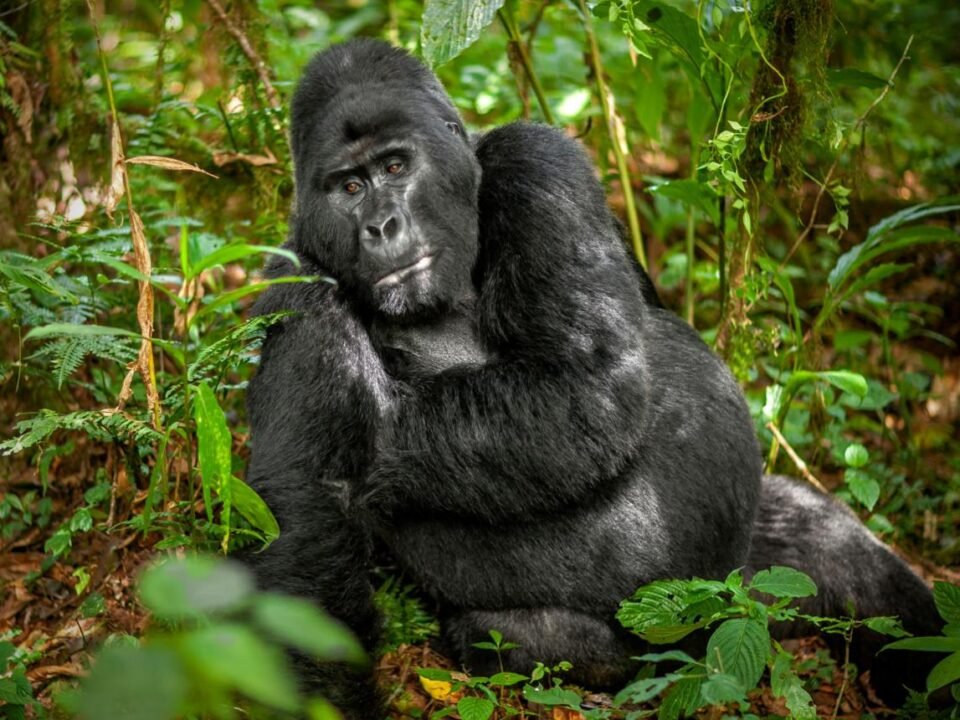
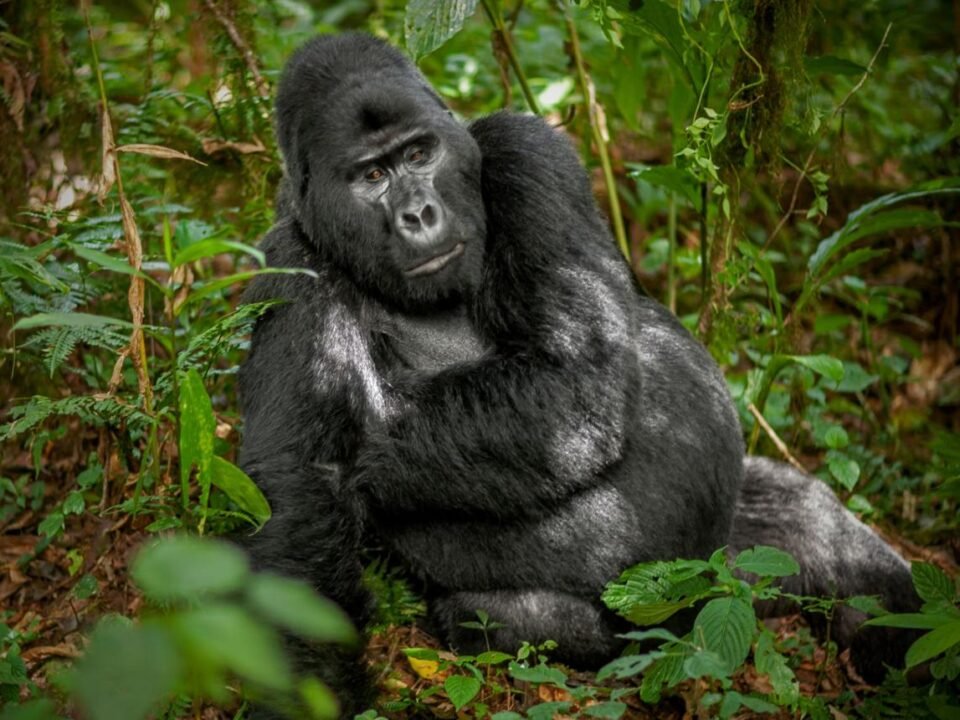
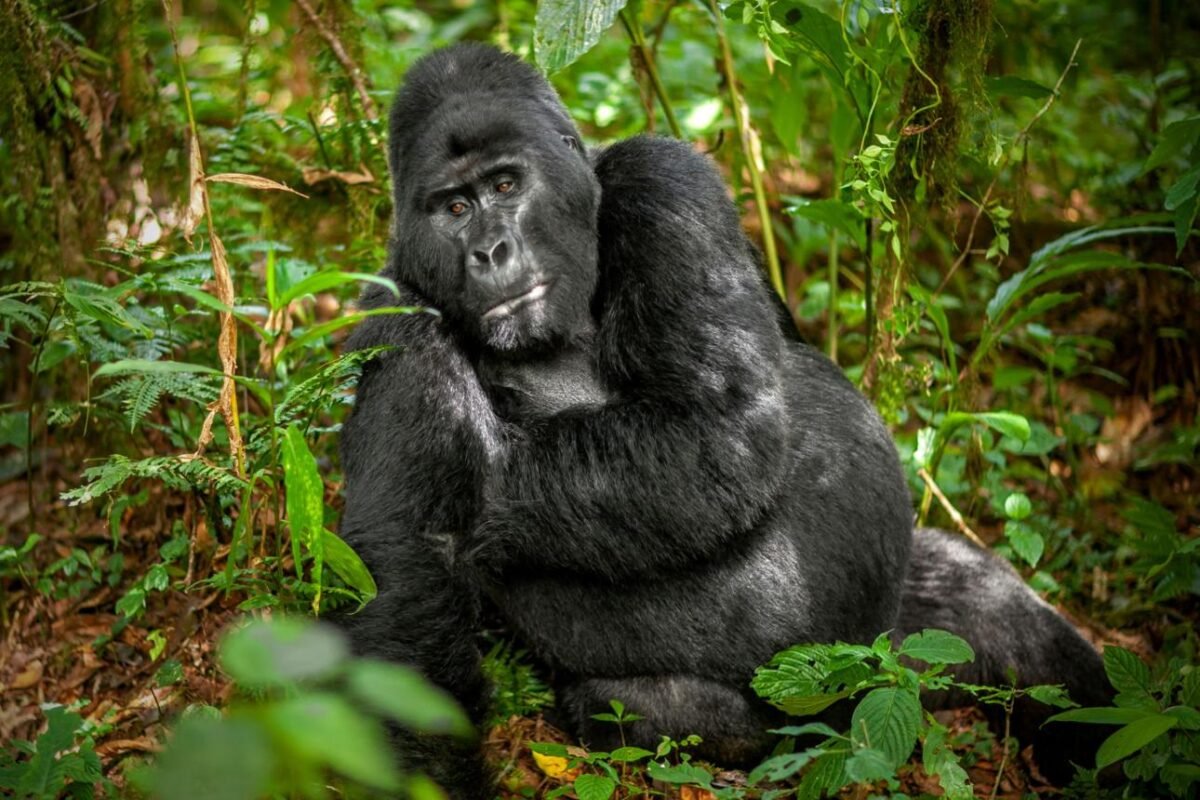
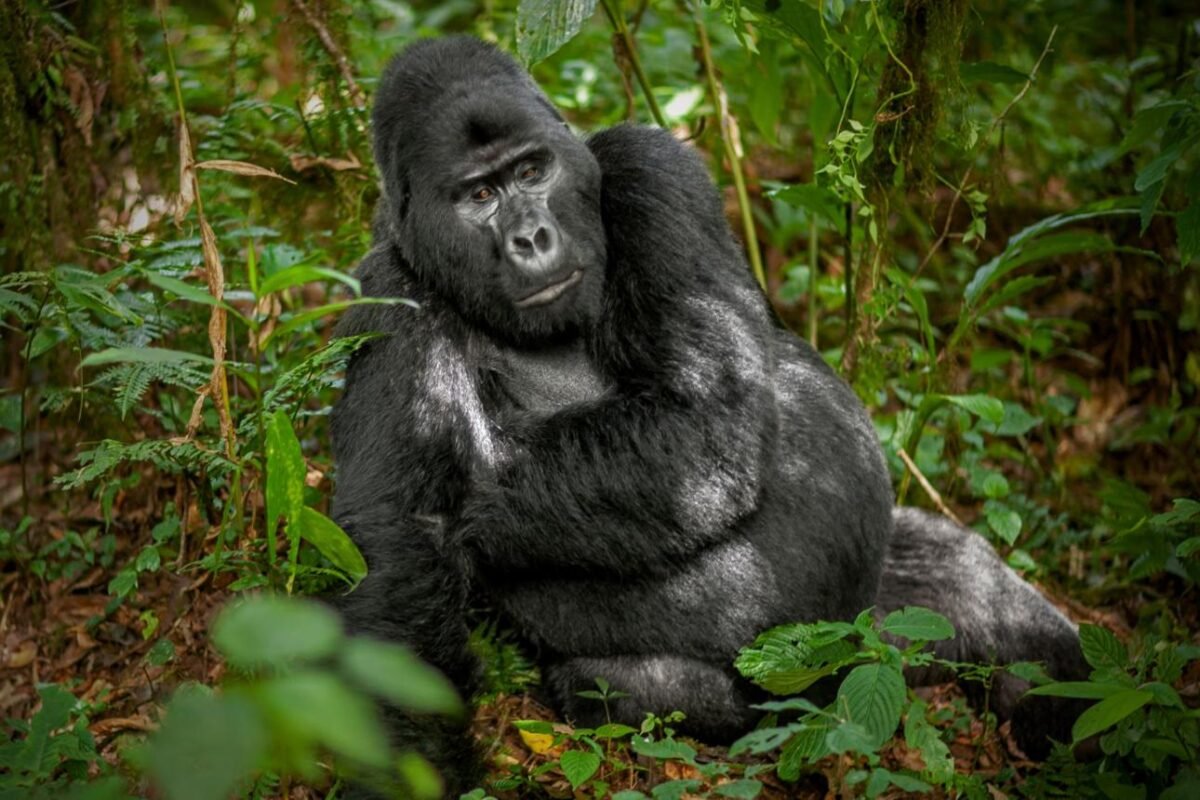
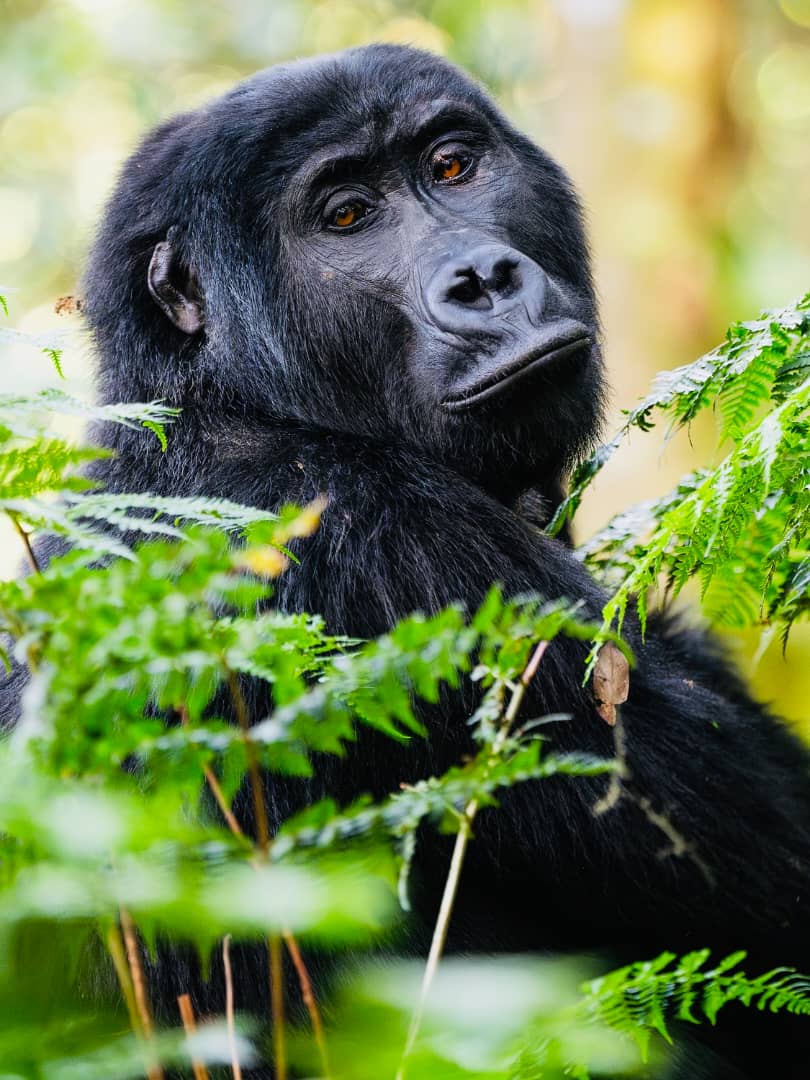
Mountain gorillas are the most famous example. Bwindi provides habitat for almost half of the world’s mountain gorilla population, making it one of the most important gorilla conservation areas on Earth.
The forest also supports many other primates and bird species. Travelers may encounter different monkeys during forest walks, while birdwatchers can search for species associated with the Albertine Rift.
This biodiversity makes the forest valuable even for travelers who are not planning to trek gorillas. Nature walks, birdwatching, waterfall hikes, and other guided activities provide alternative ways to experience the ecosystem.
Why Does Gorilla Trekking Feel So Difficult?
The famous name becomes especially understandable during a gorilla trek. Visitors leave the vehicle behind and enter the rainforest on foot. Instead of following a wide road, they use narrow forest trails that can pass through thick vegetation.
The terrain can change quickly. One section may have a gentle path, while another may involve a steep climb. Roots can cross the trail, and rain can make the ground slippery. Dense vegetation can also restrict visibility.
The experience is demanding, but it is also part of the adventure. The forest does not offer wildlife encounters from a distance. Instead, visitors enter the habitat and search for gorillas alongside trained trackers and guides.
Once the gorilla family is found, the effort becomes worthwhile. Visitors may watch silverbacks, mothers, juveniles, and other members of the group as they feed, rest, groom, or interact. The encounter provides a rare opportunity to observe mountain gorillas in their natural environment.
Zamunda Travels can organize a Bwindi gorilla trekking safari with transportation, accommodation, permits, and guiding arrangements based on the traveler’s itinerary.
Is Bwindi Really Impenetrable?
No. Bwindi Impenetrable Forest is not literally impossible to enter. The name describes how difficult the natural forest can be to cross, particularly away from established paths.
Tourists regularly enter the park for gorilla trekking and other guided activities. However, visitors should never confuse controlled tourism access with unrestricted movement through the forest.
The forest remains a protected ecosystem. Guides and park authorities manage visitor activities to reduce disturbance and protect wildlife. Travelers must follow instructions throughout their visit.
This distinction is important because the name can create the wrong impression. Bwindi welcomes visitors, but it does so under rules designed to protect its forests and wildlife.
Bwindi Impenetrable Forest and Gorilla Conservation
The connection between Bwindi and gorilla conservation is one of the major reasons the forest attracts international visitors. Tourism provides an economic incentive for protecting the habitat and supports employment in surrounding communities.
UNESCO notes that community benefits from mountain gorilla tourism and other forms of ecotourism may play an important role in the future conservation of the site.
Responsible tourism therefore has a wider purpose. Visitors contribute to an industry that depends on a healthy forest and protected wildlife. Local guides, porters, accommodation providers, drivers, restaurants, and other businesses can benefit from tourism.
At the same time, visitors must respect conservation rules. Gorillas remain wild animals, and encounters require careful management. Travelers should follow ranger instructions, avoid unnecessary contact with wildlife, and respect the forest environment.
Zamunda Travels encourages responsible travel that supports conservation while giving visitors a meaningful experience of Uganda’s natural heritage.
What Can You See Beyond Gorillas in Bwindi?
Although gorilla trekking remains the park’s biggest attraction, Bwindi Impenetrable Forest offers a much wider wildlife experience. Its biodiversity makes it particularly attractive to birdwatchers and nature enthusiasts.
The forest supports numerous bird species, including birds associated with the Albertine Rift. Visitors can also look for butterflies, primates, forest plants, and other wildlife during guided walks.
Forest trails provide another way to experience Bwindi. Instead of focusing only on gorillas, travelers can explore the ecosystem itself. Guides can explain the importance of different plants, identify bird calls, and describe the ecological relationships that make the forest unique.
Cultural experiences can also complement a Bwindi visit. Communities around the park offer opportunities to learn about local traditions, crafts, food, music, and livelihoods.
As a result, travelers can build a broader Uganda itinerary around their gorilla experience. Zamunda Travels can combine Bwindi with destinations such as Queen Elizabeth National Park, Kibale National Park, Lake Bunyonyi, or other attractions in Uganda.
Why Visit Bwindi Impenetrable National Park?
Bwindi offers something that few safari destinations can match. It combines a challenging rainforest environment with one of Africa’s most remarkable wildlife encounters.
The forest’s name immediately creates curiosity. Once visitors enter the forest, they understand why the description became so appropriate. Thick vegetation surrounds the trails. Steep slopes rise ahead. Moisture covers leaves and roots. Bird calls echo through the canopy. The landscape feels ancient and alive.
Then comes the possibility of meeting mountain gorillas.
That combination creates a completely different experience from a traditional savannah safari. In a savannah, travelers usually search for wildlife from a vehicle. In Bwindi, travelers become part of the forest experience. They walk through the habitat and follow signs left by animals moving through the vegetation.
For travelers seeking a meaningful wildlife adventure in Uganda, Bwindi offers far more than a gorilla photograph. It provides an opportunity to understand the relationship between wildlife, forests, conservation, tourism, and local communities.
Frequently Asked Questions About Bwindi Impenetrable Forest
Why is Bwindi Forest called the Impenetrable Forest?
Bwindi Forest is called the Impenetrable Forest because of its dense vegetation and rugged terrain. Thick undergrowth, vines, shrubs, bamboo, steep slopes, and narrow valleys can make movement difficult, especially away from established trails.
Is Bwindi Forest really impossible to enter?
No. Visitors can enter Bwindi through designated tourism areas with trained guides and rangers. “Impenetrable” describes the forest’s difficult natural environment rather than a complete physical barrier.
What does Bwindi mean?
Bwindi is commonly associated with a local expression referring to darkness or a dark place. The explanation relates to the dense vegetation and shaded conditions found within the forest.
Is Bwindi only home to mountain gorillas?
No. Bwindi supports a wide range of wildlife. The park is particularly important for its biodiversity and supports numerous mammals, birds, butterflies, plants, and other species. UNESCO considers it a biodiversity hotspot.
Is gorilla trekking in Bwindi difficult?
Gorilla trekking can be physically demanding because the forest contains steep slopes, uneven ground, and dense vegetation. Trekking duration varies depending on the location and movements of the gorilla family.
What makes Bwindi different from other Uganda safari parks?
Bwindi offers a rainforest trekking experience rather than an open-savana game drive. Visitors explore the forest on foot and experience dense vegetation, mountainous terrain, and exceptional primate diversity.
Can I visit Bwindi without trekking gorillas?
Yes. Visitors can participate in other guided forest experiences, including nature walks and birdwatching. These activities allow travelers to experience Bwindi’s biodiversity without focusing entirely on gorillas.
Is Bwindi a UNESCO World Heritage Site?
Yes. UNESCO listed Bwindi Impenetrable National Park as a World Heritage Site in 1994 because of its outstanding biodiversity and conservation importance.
In conclusion, Bwindi Forest is called the Impenetrable Forest because its dense vegetation and rugged landscape make it exceptionally difficult to cross without established trails. Thick undergrowth, tangled plants, steep hills, narrow valleys, and a complex forest structure all contribute to its character. The name therefore describes the physical reality of the landscape rather than suggesting that visitors cannot enter.
Yet the difficulty of the forest is exactly what makes it special. Bwindi protects an extraordinary ecosystem and provides habitat for almost half of the world’s mountain gorillas. Its value extends beyond gorillas, with remarkable plant, bird, butterfly, and mammal diversity making it one of Uganda’s most important natural areas.
For travelers, exploring this forest is an opportunity to experience Uganda at its wildest. With careful preparation and professional guidance from Zamunda Travels, visitors can discover the forest’s unique landscapes, learn about its wildlife, and experience one of Africa’s most memorable gorilla trekking destinations.