Best Time for Water Rafting in Uganda
April 12, 2026
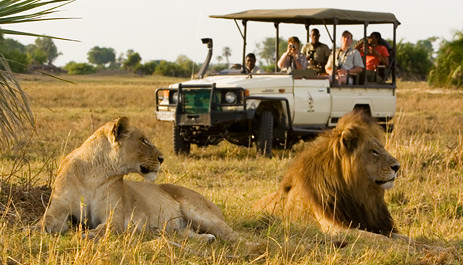
A Close Encounter with the Lions of Murchison Falls
April 12, 2026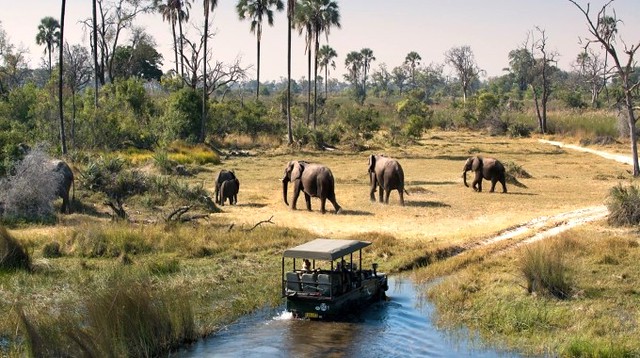
Uganda stands out as one of Africa’s most biodiverse destinations, offering exceptional opportunities for both wildlife safaris and herping experiences. From the savannah plains of Queen Elizabeth National Park to the dense tropical forests of Bwindi Impenetrable National Park, the country hosts an incredible range of mammals, reptiles, amphibians, and birdlife. However, timing plays a crucial role in shaping the quality of your safari. At Zamunda Travels, careful seasonal planning ensures travelers enjoy the best encounters, whether tracking lions on the plains or searching for elusive chameleons at night. Understanding Uganda’s climate patterns helps you choose the ideal time for both herping and traditional wildlife safaris.
Best Time for Herping in Uganda During the Wet Seasons
Herping in Uganda reaches its peak during the wet seasons, which typically occur from March to May and again from September to November. During these months, rainfall transforms habitats into vibrant ecosystems filled with active amphibians and reptiles. Frogs begin breeding in temporary pools, while snakes and lizards become more visible due to increased prey activity. In areas such as Kibale National Park and Mabamba Swamp, herping enthusiasts can encounter species like tree frogs, reed frogs, and even rare forest cobras.
The wet conditions create ideal environments for nocturnal exploration, which forms the core of most herping expeditions. Trails remain lush, humidity rises, and the forest floor becomes alive with movement. Zamunda Travels designs guided night walks that allow travelers to safely observe these species while learning about their ecological roles. Although rains can sometimes disrupt travel plans, the rewards of increased species diversity make this the best time for herping in Uganda.
Best Time for Wildlife Safaris in Uganda During the Dry Seasons
Wildlife safaris in Uganda are most rewarding during the dry seasons, which occur from June to August and December to February. During these months, vegetation becomes thinner, and animals gather around permanent water sources, making them easier to spot. Parks such as Murchison Falls National Park and Kidepo Valley National Park offer outstanding game viewing, with high chances of seeing elephants, buffaloes, giraffes, and large predators.
The dry conditions also improve accessibility. Roads remain passable, and game drives become smoother and more predictable. Early morning and late afternoon drives provide excellent lighting and increased animal activity. Zamunda Travels carefully schedules these drives to maximize sightings while ensuring comfort and safety. For travelers seeking classic African safari experiences, this period represents the best time for wildlife safaris in Uganda.
Balancing the Best Time for Herping and Wildlife Safaris in Uganda
Many travelers want to combine herping and traditional wildlife safaris in one itinerary. Fortunately, Uganda’s climate allows for a balanced experience, especially during the transitional months of June and November. These periods often feature moderate rainfall alongside improving road conditions. As a result, reptiles and amphibians remain active, while larger mammals are still relatively easy to spot.
In destinations like Lake Mburo National Park, visitors can enjoy day game drives followed by evening herping walks. This combination creates a diverse and enriching safari experience. Zamunda Travels specializes in crafting such hybrid itineraries, ensuring travelers do not miss out on either aspect of Uganda’s natural heritage. By choosing the right timing, visitors can enjoy the best time for herping and wildlife safaris in Uganda within a single trip.
Regional Variations Affecting the Best Time for Herping and Wildlife Safaris in Uganda
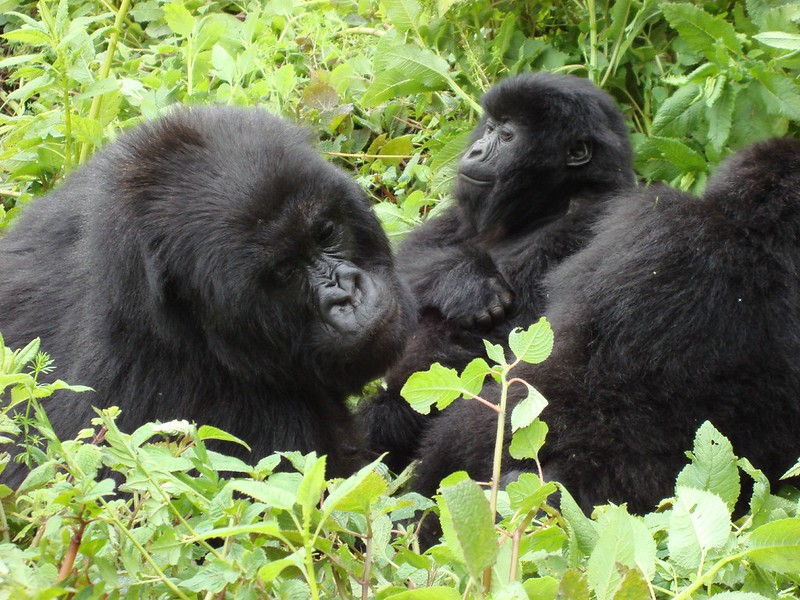
Uganda’s varied landscapes create regional differences in climate and wildlife behavior. In the southwestern highlands, including Mgahinga Gorilla National Park, rainfall occurs more frequently, which favors amphibian activity throughout much of the year. Meanwhile, northern regions such as Kidepo Valley National Park remain drier and offer consistent wildlife viewing even outside peak dry months.
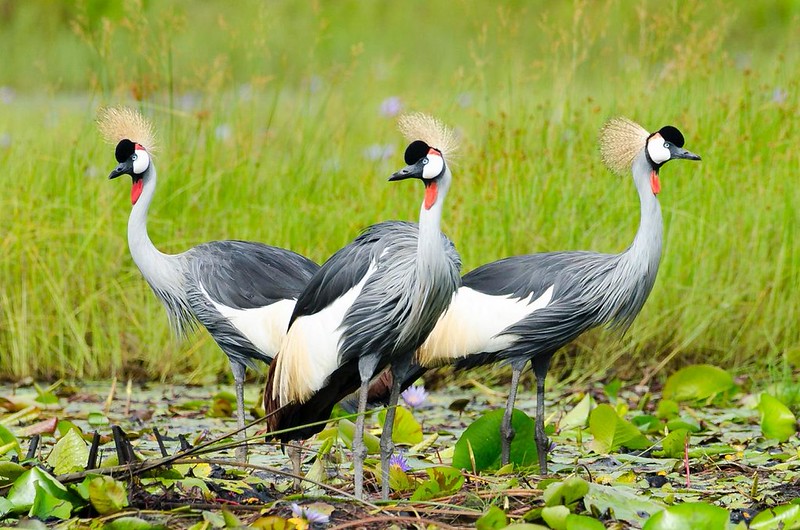
Wetlands like Mabamba Swamp provide year-round opportunities for spotting reptiles and amphibians, although peak activity still aligns with rainy periods. Understanding these regional differences allows Zamunda Travels to tailor itineraries based on specific interests, whether focusing on herping, big game viewing, or a mix of both. This strategic planning ensures that every traveler experiences the best time for herping and wildlife safaris in Uganda based on their goals.
Essential Tips for Planning the Best Time for Herping and Wildlife Safaris in Uganda
Planning a successful safari requires more than just choosing the right season. Travelers should pack appropriately for both wet and dry conditions, including waterproof gear for herping excursions and light clothing for daytime game drives. Insect repellent and sturdy footwear also enhance comfort and safety during field activities.
Booking with an experienced operator like Zamunda Travels ensures access to knowledgeable guides who understand animal behavior and habitat dynamics. These experts increase the chances of sightings while providing valuable insights into Uganda’s ecosystems. Additionally, travelers should remain flexible, as wildlife movements and weather patterns can vary. With proper preparation, visitors can fully enjoy the best time for herping and wildlife safaris in Uganda.