Hiking Mount Bisoke: An Adventure Worth Taking
June 13, 2026
Complete Guide to Visiting Volcanoes National Park
June 13, 2026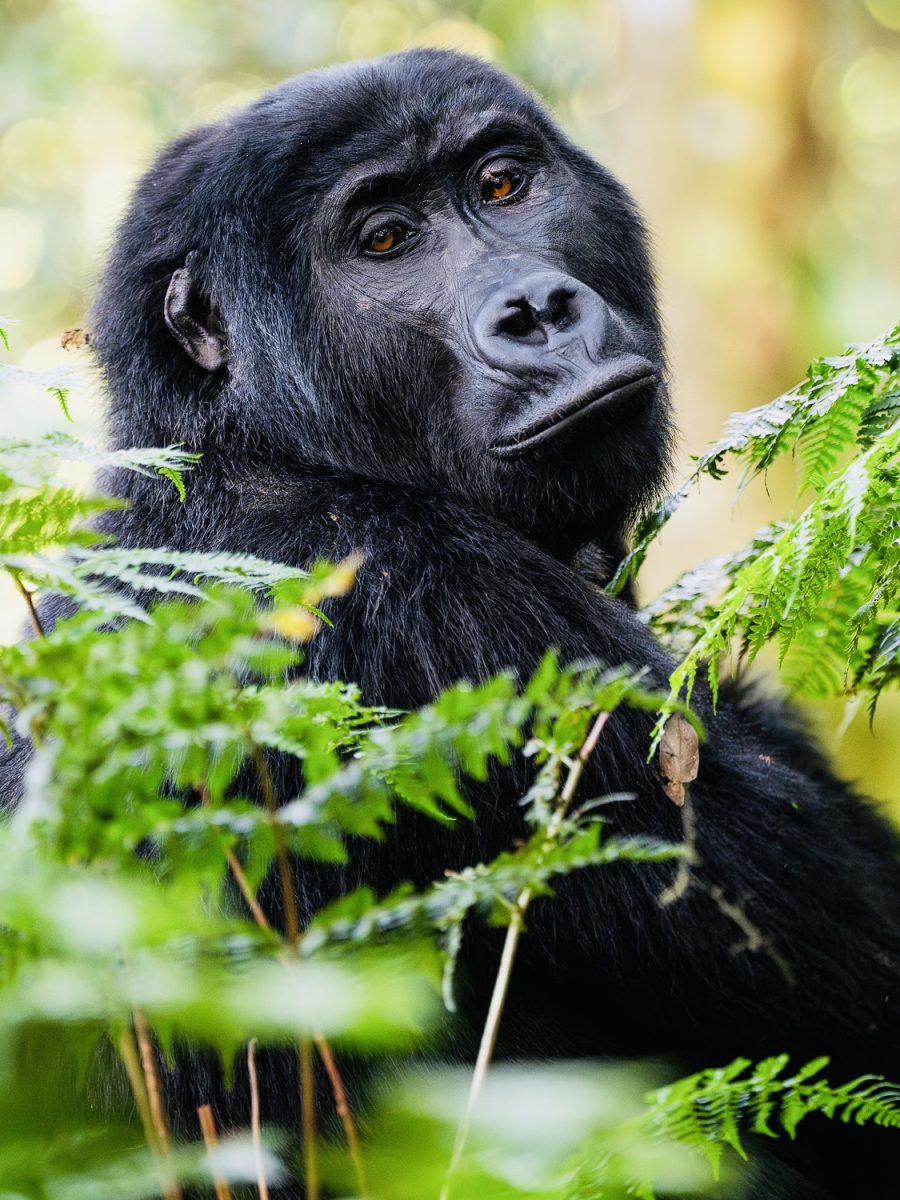
The flora and fauna of Volcanoes National Park make this protected area one of the most remarkable wildlife destinations in Africa. Located in northwestern Rwanda, the park covers approximately 160 square kilometers and forms part of the larger Virunga Conservation Area. The park sits among a chain of volcanic mountains that create a unique ecosystem rich in biodiversity. Visitors from around the world travel to this spectacular destination to encounter mountain gorillas, rare bird species, and lush vegetation that thrives on fertile volcanic soils.
Beyond gorilla trekking, the park offers an opportunity to experience one of Africa’s most diverse montane ecosystems. Dense bamboo forests, alpine meadows, giant lobelia plants, and tropical rainforests provide habitats for numerous wildlife species. As a result, nature lovers, photographers, and conservation enthusiasts find endless opportunities for exploration. At Zamunda Travels, we guide travelers through these incredible landscapes while helping them appreciate the ecological importance of this extraordinary national park.
The Unique Ecosystems Supporting the Flora and Fauna of Volcanoes National Park
The flora and fauna of Volcanoes National Park flourish because of the park’s diverse ecological zones. Elevations range from approximately 2,400 meters to over 4,500 meters above sea level. Consequently, different vegetation types occur at varying altitudes.
Lower elevations feature dense montane forests filled with towering trees and thick undergrowth. As visitors move higher, bamboo forests dominate the landscape. These forests provide essential food sources for several wildlife species, especially mountain gorillas and golden monkeys. Higher still, Hagenia-Hypericum woodlands appear before giving way to alpine vegetation characterized by giant senecios and giant lobelias.
These ecological zones create a mosaic of habitats that support a remarkable variety of animals and plants. Therefore, the park remains one of the most biologically important conservation areas in East Africa.
Bamboo Forests in the Flora and Fauna of Volcanoes National Park
Bamboo forests represent one of the most important vegetation zones within the park. These forests cover large sections of the lower mountain slopes and provide shelter for many species. Mountain gorillas frequently feed on bamboo shoots during certain seasons. Likewise, golden monkeys spend much of their time within these habitats searching for food and safety.
The bamboo ecosystem also supports numerous bird species and smaller mammals. Moreover, the dense vegetation helps prevent soil erosion on the volcanic slopes. This natural protection contributes to the long-term health of the park’s environment.
Plant Diversity Within the Flora and Fauna of Volcanoes National Park
The park contains more than 200 plant species, many of which have adapted to high altitude volcanic environments. The rich volcanic soil supports vigorous plant growth throughout the year. Consequently, visitors encounter a vibrant landscape filled with diverse vegetation.
Some of the most iconic plants include giant lobelias, giant groundsels, wild flowers, ferns, mosses, and bamboo. These species create stunning scenery while providing food and shelter for wildlife. In addition, numerous medicinal plants grow naturally within the park. Local communities have traditionally used many of these plants for generations.
The changing vegetation zones create dramatic visual contrasts. As visitors hike through the park, they witness a fascinating transition from dense forests to open alpine landscapes. This diversity enhances every trekking experience and highlights the ecological richness of the region.
Rare Plant Species in the Flora and Fauna of Volcanoes National Park
Several plant species found in the park occur only within high altitude regions of East and Central Africa. Giant lobelias stand among the most recognizable examples. Their towering stems and unique growth patterns create an almost prehistoric appearance.
Similarly, giant senecios thrive in the cold alpine environment near the volcano summits. These remarkable plants have adapted to extreme temperature fluctuations. As a result, they survive in conditions that challenge many other species.
Such specialized vegetation contributes significantly to the uniqueness of the flora and fauna of Volcanoes National Park.
Mammals Found in the Flora and Fauna of Volcanoes National Park
Mammals represent one of the park’s greatest attractions. The area supports more than 100 mammal species, ranging from large primates to smaller forest dwelling animals.
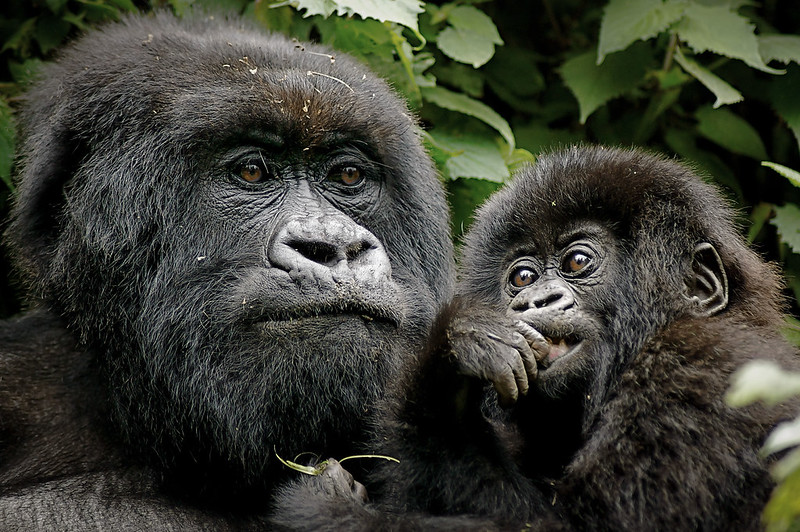
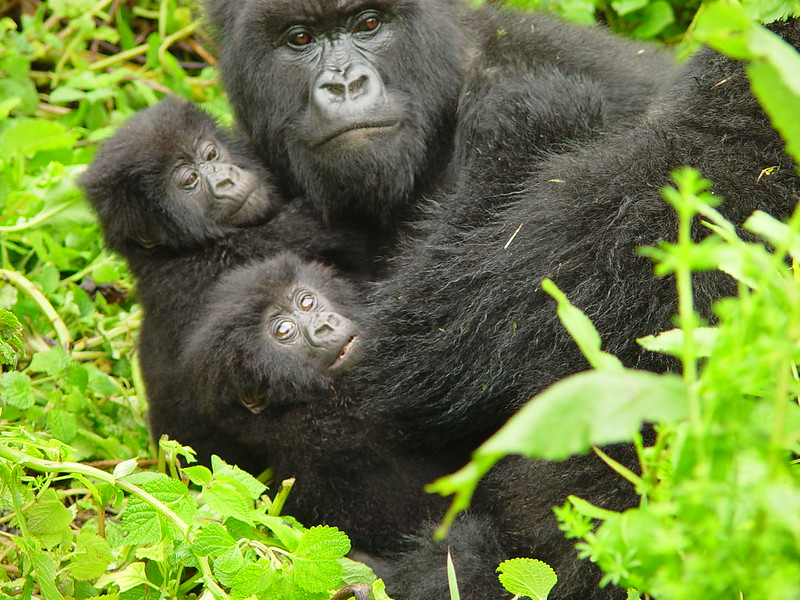
The most famous resident is the endangered mountain gorilla. Volcanoes National Park protects several habituated gorilla families that visitors can observe during guided treks. These gentle giants share approximately 98 percent of their DNA with humans. Therefore, encounters with them often become life-changing experiences.
Golden monkeys also attract significant attention. These colorful primates live primarily within bamboo forests and display playful behavior that delights visitors. Furthermore, the park supports spotted hyenas, bushbucks, buffaloes, black fronted duikers, and forest elephants, although sightings of some species remain rare.
At Zamunda Travels, we organize expertly guided wildlife experiences that allow travelers to appreciate these magnificent mammals while supporting conservation efforts.
Mountain Gorillas and the Flora and Fauna of Volcanoes National Park
Mountain gorillas serve as the flagship species of the park. Conservation programs have helped increase gorilla populations over recent decades. Today, these efforts stand among Africa’s greatest conservation success stories.
Gorillas play an essential role in maintaining forest health. They disperse seeds throughout their habitat and contribute to ecosystem balance. Consequently, protecting gorillas also protects countless other plant and animal species.
Visitors who participate in gorilla trekking gain valuable insight into the complex relationship between wildlife conservation and sustainable tourism.
Birdlife in the Flora and Fauna of Volcanoes National Park
Birdwatchers consider Volcanoes National Park a rewarding destination. The park hosts more than 200 bird species, including several Albertine Rift endemics. Many of these birds occur nowhere else in the world.
Notable species include the Rwenzori Turaco, Dusky Crimsonwing, Archer’s Robin-Chat, Red-faced Woodland Warbler, and Handsome Francolin. The diverse habitats support both resident and migratory birds throughout the year.
Early morning birding excursions often produce excellent sightings. Additionally, the park’s varied elevations increase the chances of encountering different species within a single day. Therefore, bird enthusiasts frequently combine gorilla trekking with dedicated birdwatching experiences.
Endemic Birds in the Flora and Fauna of Volcanoes National Park
The Albertine Rift region ranks among Africa’s most important centers of endemism. Several bird species found in the park exist only within this ecological zone.
These rare birds depend on intact montane forests for survival. Consequently, conservation initiatives play a critical role in protecting their habitats. Responsible tourism helps generate funding that supports these conservation efforts and safeguards biodiversity for future generations.
Conservation Efforts Protecting the Flora and Fauna of Volcanoes National Park
Conservation remains essential to preserving the flora and fauna of Volcanoes National Park. The park faces challenges such as habitat pressure, climate change, and increasing human populations around its borders.
Fortunately, government agencies, conservation organizations, researchers, and local communities work together to address these threats. Anti-poaching patrols, community outreach programs, and sustainable tourism initiatives have strengthened wildlife protection.
The legacy of conservationist Dian Fossey also continues to influence gorilla protection efforts. Her groundbreaking research brought international attention to mountain gorilla conservation. Today, ongoing research programs continue to monitor wildlife populations and habitat health.
Tourism contributes directly to conservation funding. Therefore, every visitor helps support long-term protection efforts while enjoying unforgettable wildlife experiences.
Why Explore the Flora and Fauna of Volcanoes National Park with Zamunda Travels
Exploring the flora and fauna of Volcanoes National Park becomes even more rewarding with expert guidance. Zamunda Travels specializes in creating immersive wildlife experiences that combine adventure, education, and conservation awareness.
Our experienced guides help travelers identify wildlife species, understand ecological relationships, and appreciate the significance of conservation programs. We also design customized itineraries that include gorilla trekking, golden monkey tracking, birdwatching, nature walks, and cultural encounters.
Whether you are a wildlife enthusiast, photographer, researcher, or first-time visitor, Zamunda Travels ensures a memorable journey through one of Africa’s most extraordinary natural landscapes.
Conclusion
The flora and fauna of Volcanoes National Park showcase the incredible biodiversity that makes Rwanda a premier ecotourism destination. From towering bamboo forests and rare alpine plants to mountain gorillas and endemic birds, every corner of the park reveals a new natural wonder. Moreover, ongoing conservation efforts continue to protect these valuable ecosystems for future generations.
A visit to Volcanoes National Park offers far more than wildlife viewing. It provides an opportunity to connect with nature, support conservation, and witness one of Africa’s greatest ecological treasures. With Zamunda Travels, you can experience the beauty, diversity, and wonder of this remarkable national park while creating memories that will last a lifetime.