How to Choose the Right Safari Vehicle for Your Trip
August 8, 2026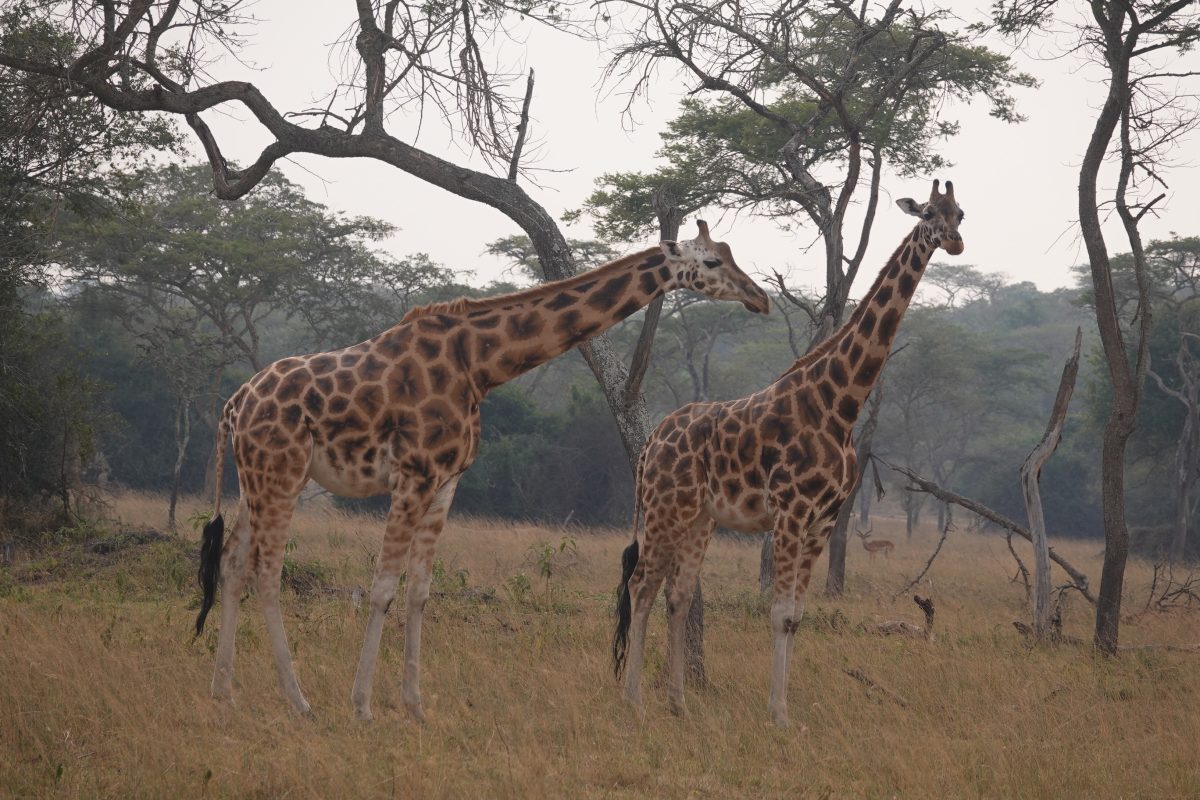
Akagera National Park is one of Rwanda’s most exciting wildlife destinations. The park lies in eastern Rwanda, close to the border with Tanzania. It offers a different experience from Rwanda’s famous mountain gorilla destinations. Instead of dense rainforest and volcanic mountains, Akagera features open savannah, wetlands, lakes, woodland, and rolling hills.
The park is also one of the most important conservation success stories in Africa. Wildlife numbers declined sharply during periods of conflict, poaching, and human settlement. However, strong conservation measures have helped restore the ecosystem. Today, visitors can see elephants, buffaloes, lions, leopards, rhinos, giraffes, zebras, hippos, crocodiles, and many antelope species. The park is also home to almost 500 bird species, including the rare shoebill.
For travelers planning a Rwanda safari, understanding the Akagera National Park facts can help you choose the right activities and travel season. Zamunda Travels can also help travelers combine Akagera with other destinations in Rwanda or Uganda for a longer East African safari.
Location and Size
Akagera National Park is located in northeastern Rwanda. It sits along Rwanda’s eastern border with Tanzania. The park covers just over 1,000 square kilometers. Its landscape includes savannah plains, woodland, papyrus swamps, wetlands, and a chain of lakes.
Akagera is particularly important because it protects a large wetland ecosystem. African Parks describes it as Central Africa’s largest protected wetland. The park also serves as Rwanda’s main refuge for savannah-adapted wildlife.
The park’s location makes it convenient for travelers staying in Kigali. A road transfer from Kigali can take around two and a half hours, depending on the route and conditions. Travelers can also use chartered or scheduled aviation options when available. Zamunda Travels can arrange transfers and safari activities based on the traveler’s itinerary.
Another interesting fact is that Akagera forms part of a wider landscape of lakes and wetlands. Lake Ihema is one of its best known water bodies. The lake supports hippos, crocodiles, water birds, and many other aquatic species. A boat trip on Lake Ihema provides a different way to explore the park.
Facts About Its History
Akagera was established as a national park in 1934. This makes it the oldest of Rwanda’s three national parks. Its protected landscape has changed significantly over the decades. Human pressure and political instability caused major wildlife losses, especially during the 1990s.
Following the 1994 genocide against the Tutsi, the park faced severe conservation challenges. Wildlife populations declined, while large areas of land were affected by settlement and agricultural activity. Lions disappeared from the park, and rhinos were also lost. These changes threatened Akagera’s future as a major wildlife destination.
A major turning point came in 2010. The Rwanda Development Board entered into a management partnership with African Parks. The partnership established the Akagera Management Company and introduced stronger conservation and tourism management systems.
Since then, Akagera has undergone a remarkable transformation. Improved law enforcement, community engagement, wildlife monitoring, and tourism development have helped the park recover. The return of major wildlife species has also strengthened its position as a leading safari destination in Rwanda.
Wildlife in Akagera National Park
One of the most important Akagera National Park facts is its impressive wildlife diversity. The park is now home to more than 8,000 large mammals. These include elephants, buffaloes, lions, leopards, rhinos, giraffes, zebras, antelopes, and other species.
Elephants are among the major mammals found in Akagera. The park also supports large buffalo herds. Visitors may encounter them while driving through open grasslands and woodland areas. Giraffes are another common attraction. Their tall bodies make them easy to spot against the savannah landscape.
Zebras, impalas, topi, waterbuck, eland, oribi, duiker, reedbuck, bushbuck, and other antelope species also live in the park. Their presence supports the wider food chain. Predators such as lions and leopards depend on healthy populations of prey animals.
Akagera also supports primates. Olive baboons and vervet monkeys are often seen during daytime game drives. Blue monkeys can also occur in suitable habitats. Night drives may provide opportunities to see nocturnal species such as bushbabies.
Akagera and the Big Five
Akagera is Rwanda’s Big Five safari destination. The Big Five are the lion, leopard, elephant, buffalo, and rhinoceros. The return of lions and rhinos played an important role in restoring this status.
Seven lions were reintroduced into Akagera in 2015 after an absence of almost two decades. The animals came from South Africa. They were carefully monitored after their arrival and later released into the park. Their population grew through successful breeding.
Eastern black rhinos returned to Akagera in 2017. African Parks and its partners moved 18 rhinos from South Africa to Rwanda. The reintroduction marked the return of the species after a decade long absence. Five additional black rhinos arrived from European zoos in 2019 to strengthen genetic diversity.
White rhinos have also become part of Akagera’s conservation story. Thirty southern white rhinos arrived in 2021. Their population increased, and in June 2025, another 70 southern white rhinos were translocated from South Africa to Akagera. This was part of the Rhino Rewild Initiative.
As a result, visitors now have the opportunity to search for all five major safari species in one park. However, wildlife sightings are never guaranteed. Animals move freely across large areas, so every game drive is different.
Birdwatching in Akagera National Park
Birdwatching is another major attraction in Akagera. The park has a wide range of habitats, which supports a remarkable diversity of birdlife. Current tourism information lists about 525 bird species, while African Parks reports almost 500 documented species. The exact number can vary as records and classifications are updated.
The shoebill is one of the most sought after birds in Akagera. This large wetland bird has a distinctive bill and often attracts dedicated birdwatchers. The papyrus wetlands provide important habitat for the shoebill and other water associated species.
Other notable birds include the papyrus gonolek and many water birds. The park’s lakes, swamps, grasslands, and woodland create different habitats for different species.
Birdwatching can be rewarding throughout the year. However, visitors who want to focus heavily on birds may prefer periods when migratory species add to the resident bird population. Zamunda Travels can include dedicated birdwatching activities within a wider Rwanda safari itinerary.
Lakes and Wetlands of Akagera
The wetlands are one of the defining features of Akagera. The park contains a network of lakes, swamps, and rivers. These water systems create habitats for fish, birds, hippos, crocodiles, and other wildlife.
Lake Ihema is especially popular with visitors. A boat safari allows travelers to explore the lake while staying close to the water. Hippos often gather in the lake, while Nile crocodiles can be seen along the shoreline. Birds can also be found around the water and on islands within the lake.
The boat experience complements a traditional game drive. A game drive focuses on terrestrial wildlife, while a boat trip provides closer access to aquatic habitats. Therefore, combining both activities can give visitors a more complete understanding of Akagera’s ecosystem.
Safari Activities in Akagera National Park
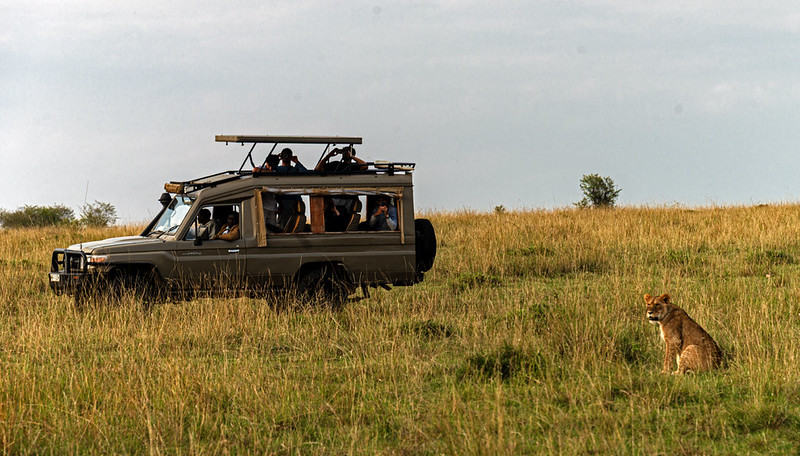
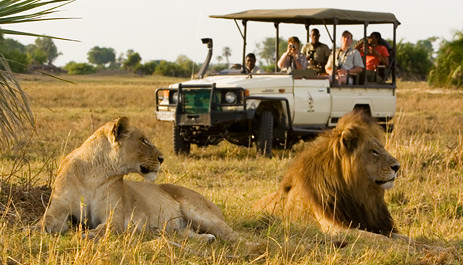
Game drives remain the main safari activity in Akagera. Early morning drives are particularly useful because many animals are active during the cooler hours. Visitors may encounter predators, herbivores, birds, and other wildlife while moving through different sections of the park.
Boat safaris offer another memorable experience. The Lake Ihema excursion focuses on hippos, crocodiles, water birds, and other species around the lake. The changing light can also create excellent opportunities for photography.
Night drives provide a different perspective. Some animals become active after sunset, while others behave differently at night. Depending on the season and conditions, visitors may encounter nocturnal species that are difficult to see during daytime drives.
Akagera also offers opportunities for nature based experiences beyond conventional game drives. Travelers can combine safari activities with community experiences and conservation-focused visits. Zamunda Travels can organize these activities as part of a customized Rwanda safari.
Conservation Success in Akagera National Park
Perhaps the most inspiring of the Akagera National Park facts is its conservation recovery. The park once faced serious threats from poaching, habitat pressure, and declining wildlife populations. Today, it has become an important example of how protected areas can recover through long-term management.
African Parks began managing the park in partnership with the Rwanda Development Board in 2010. Since then, conservation teams have strengthened law enforcement and wildlife monitoring. The park also uses technology and specialist teams to improve protection.
Community involvement is another important part of this success. Conservation works best when local communities benefit from protecting wildlife. Akagera supports employment, education, tourism, and community development around the park.
African Parks states that 10% of Akagera’s income is allocated through Rwanda’s revenue-sharing scheme. These funds support community projects such as schools, healthcare facilities, and cooperatives.
Tourism therefore plays a wider role than simply providing visitors with a safari experience. Visitor spending contributes to the park’s conservation work and supports surrounding communities.
Best Time to Visit Akagera National Park
Akagera can be visited throughout the year. However, the experience can change with the seasons. The drier periods often make wildlife easier to find because animals gather around available water sources and vegetation becomes less dense.
The wetter months bring greener landscapes. They can also create excellent conditions for photography. Birdwatchers may find this period particularly interesting because of the abundance of bird activity.
Travelers should therefore choose their dates based on their priorities. Visitors who want easier wildlife viewing may prefer drier conditions. Those who value green scenery and birdlife may enjoy the wetter season.
Zamunda Travels can help travelers choose suitable dates based on their safari interests, available time, and preferred accommodation level.
Why Visit Akagera National Park?
Akagera offers a different side of Rwanda. Volcanoes National Park is famous for mountain gorillas and golden monkeys. Nyungwe is known for its rainforest and primates. Akagera, by contrast, provides a classic savannah safari experience.
Visitors can search for lions, leopards, elephants, buffaloes, and rhinos. They can also watch giraffes and zebras crossing open plains. On Lake Ihema, they can see hippos, crocodiles, and water birds.
The park also has strong conservation value. Its recovery demonstrates what long-term investment in wildlife protection can achieve. For travelers, this adds meaning to the safari experience.
Another advantage is that Akagera can fit well into a wider Rwanda itinerary. Travelers can start in Kigali and continue to Akagera before visiting other destinations. Zamunda Travels can also combine Akagera with Uganda destinations such as Bwindi Impenetrable National Park or Queen Elizabeth National Park for a broader East African wildlife and primate adventure.
Planning a Safari to Akagera
A successful Akagera safari requires more than simply entering the park. Travelers should consider the number of days, safari activities, accommodation, transport, and wildlife interests before traveling.
A two day safari can provide a useful introduction to the park. However, three or more days allow visitors to explore more areas and combine game drives with a boat safari. Longer stays also provide more opportunities for wildlife encounters.
Travelers should carry comfortable clothing, a hat, sunscreen, binoculars, a camera, and suitable walking shoes. Early morning and evening temperatures can feel cooler, so a light jacket can also be useful.
Choosing an experienced safari company can make the journey easier. Zamunda Travels can assist with itinerary planning, transportation, accommodation, park activities, and combinations with other destinations in Rwanda and Uganda.
In conclusion, Akagera National Park stands out as one of Rwanda’s most remarkable conservation and tourism destinations. Its history, wetlands, savannah landscapes, wildlife, birdlife, and successful species reintroductions make it much more than an ordinary game viewing destination.
The return of lions and rhinos has restored the park’s Big Five status. At the same time, improved conservation and community programmes continue to protect its future. The arrival of 70 additional southern white rhinos in 2025 further demonstrates the park’s growing importance in African wildlife conservation.
For travelers searching for a rewarding safari in Rwanda, Akagera offers a combination of wildlife, scenery, wetlands, and conservation. With careful planning from Zamunda Travels, visitors can explore this remarkable park while supporting a tourism model that benefits both wildlife and surrounding communities.