Which Countries Have Mountain Gorillas in East Africa?
August 9, 2026
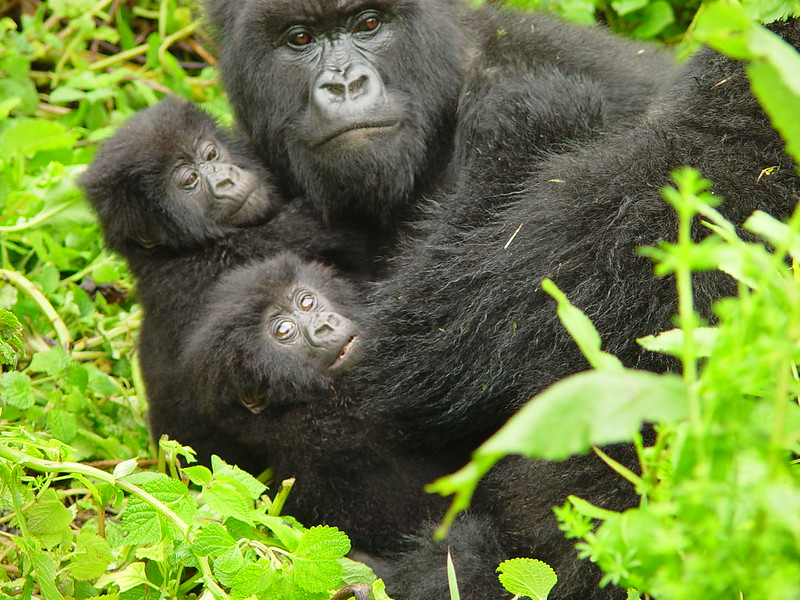
Gorilla trekking is one of the most memorable wildlife experiences in Africa. Walking through the misty forests of Uganda or Rwanda in search of endangered mountain gorillas can create memories that last a lifetime. However, the experience requires more planning than an ordinary wildlife safari. Travelers need to consider permits, accommodation, transport, fitness, weather, park regulations, travel documents, and the time needed to reach the trekking area. A small planning mistake can affect the entire trip.
Understanding the common gorilla trekking mistakes can help travelers avoid unnecessary stress and extra costs. It can also make the experience safer, more comfortable, and more enjoyable. Uganda and Rwanda both offer exceptional mountain gorilla experiences, but the logistics differ between destinations. Uganda offers gorilla trekking in Bwindi Impenetrable National Park and Mgahinga Gorilla National Park. Rwanda offers trekking in Volcanoes National Park. Uganda Wildlife Authority manages Uganda’s national parks, including Bwindi and Mgahinga.
For travelers planning a gorilla trekking safari with Zamunda Travels, preparation starts well before arrival in East Africa. The goal is not simply to secure a gorilla permit. Instead, travelers should plan the entire journey around the trekking date. This includes choosing the right sector, arranging suitable accommodation, allowing enough travel time, preparing physically, and understanding the rules that protect both visitors and gorillas.
Why Avoiding Gorilla Trekking Mistakes Matters
Gorilla trekking is different from a traditional game drive. On a game drive, travelers normally sit inside a safari vehicle while guides search for wildlife. Gorilla trekking involves walking through mountainous forest terrain. The duration and difficulty can vary because gorillas move naturally through their habitat. The terrain can also become muddy and slippery after rain.
Therefore, travelers should not plan a gorilla safari as if it were simply another activity added to a busy itinerary. The trekking experience deserves enough time and preparation. A rushed itinerary can create problems when long road transfers, border crossings, delayed flights, or difficult forest conditions are involved.
The good news is that most gorilla trekking mistakes are easy to prevent. Good planning, accurate information, and a realistic itinerary can make a major difference. Zamunda Travels helps travelers organize the important parts of the journey so that the gorilla experience fits smoothly into the wider Uganda or Rwanda safari.
1. Booking the Gorilla Permit Too Late
One of the biggest gorilla trekking mistakes is waiting until the last minute to secure a permit. Gorilla trekking permits are limited because authorities control the number of visitors who can enter the gorilla habitat. This system helps manage tourism and reduce pressure on the gorillas and their environment.
In Uganda, gorilla permits are managed through the Uganda Wildlife Authority. UWA’s guidelines state that the minimum age for gorilla tracking and viewing is 15 years. UWA also provides specific procedures for purchasing permits and emphasizes the importance of using the correct booking and payment channels.
Rwanda also requires travelers to obtain a gorilla trekking permit. The Rwanda Development Board states that the minimum age for mountain gorilla tracking is 15 years. It also warns travelers that incorrect or incomplete applications can lead to denial of entry even when a system-generated permit has been issued.
For this reason, travelers should decide on their trekking date early. They should then confirm permit availability before making non refundable arrangements around that date. Zamunda Travels can help travelers coordinate the permit, accommodation, transport, and other activities around the confirmed trekking date.
2. Choosing a Trekking Location Without Understanding the Geography
Another common mistake is choosing a gorilla destination based only on the name of the country. Uganda and Rwanda both provide mountain gorilla trekking, but the travel experience can be different.
In Uganda, visitors can trek in Bwindi Impenetrable National Park or Mgahinga Gorilla National Park. Bwindi has several trekking sectors, including Buhoma, Ruhija, Rushaga, and Nkuringo. Each sector has its own accommodation options and access routes. Therefore, travelers should select their accommodation and transport based on the sector assigned for their trek.
Rwanda’s gorilla trekking takes place in Volcanoes National Park. The park is relatively accessible from Kigali compared with many Uganda itineraries, which can make Rwanda attractive to travelers with limited time. However, a shorter transfer does not mean that the trek itself is easy.
Zamunda Travels can help travelers compare Uganda and Rwanda based on their budget, available time, preferred accommodation, travel route, and other safari interests. This approach is much better than choosing a destination simply because it appears cheaper or closer on a map.
3. Planning an Overly Tight Itinerary
One of the most expensive gorilla trekking mistakes can be creating an itinerary with almost no flexibility.
For example, a traveler may plan to arrive in Uganda in the morning and immediately travel several hours toward Bwindi. They may then schedule gorilla trekking for the following morning and a long return journey immediately after the trek. Although such a plan may look efficient on paper, it leaves little room for delays.
Road conditions, traffic, border procedures, weather, flight schedules, and other travel factors can affect journey times. Gorilla trekking itself can also take several hours. As a result, travelers should allow reasonable time around the trekking activity.
A better approach is to arrive near the trekking area at least one day before the trek. This reduces pressure and gives travelers time to rest. It also makes it easier to attend the required briefing and report to the correct starting point on time.
When designing itineraries, Zamunda Travels can include buffer time around important activities. This is especially useful for travelers combining gorilla trekking with Queen Elizabeth National Park, Kibale Forest, Lake Bunyonyi, Kigali, or other destinations.
4. Assuming Gorilla Trekking Is an Easy Walk
Gorilla trekking requires physical effort. The forest environment can include steep slopes, dense vegetation, uneven ground, mud, roots, and slippery paths. The exact experience varies from one trek to another because the gorillas are wild animals that move freely.
A traveler does not need to be an elite athlete. However, basic preparation can improve comfort and confidence. Regular walking, hiking, stair climbing, and moderate cardiovascular exercise can help prepare the body for the trek.
Travelers should also tell their tour operator about any mobility limitations before the trip. This allows the itinerary and expectations to be discussed in advance.
The mistake is not being less athletic than another traveler. The mistake is arriving without understanding the physical nature of the activity.
5. Ignoring the Weather and Forest Conditions
The mountain forest environment can change quickly. Rain may occur even during periods that travelers consider dry. Trails can become muddy, while vegetation can remain wet after rainfall.
Rwanda’s official tourism information describes a tropical highland climate. It notes that the Virunga mountains are among the country’s cooler areas and that the dry season generally offers easier road and trail conditions. However, occasional light rainfall can still occur.
Therefore, travelers should prepare for both wet and dry conditions. Waterproof clothing, suitable hiking shoes, a light backpack, and protection for cameras and phones can make the experience more comfortable.
Zamunda Travels recommends that clients pack according to the conditions expected in the trekking region rather than relying only on the general weather forecast for Kampala or Kigali.
6. Packing the Wrong Clothes and Footwear
Poor packing is one of the easiest gorilla trekking mistakes to prevent.
Gorilla trekking takes place in a forest environment, so practical clothing is more important than fashion. Travelers should consider lightweight trousers, a long sleeved shirt, a waterproof jacket, comfortable hiking boots, gardening style gloves, and long socks. Gaiters can also help protect the lower legs from mud, vegetation, and insects.
Good footwear is particularly important. Trainers may be comfortable on ordinary city walks, but forest trails can become slippery. Hiking boots with good grip provide better support.
A waterproof bag or dry bag can protect important items from rain. Travelers should also carry enough drinking water and a small amount of personal snacks where permitted by park guidelines.
Packing too much can be another problem. A heavy backpack becomes uncomfortable during a long trek. Travelers should therefore carry only useful essentials.
7. Forgetting That Gorilla Trekking Has Strict Rules
Gorilla tourism exists within a conservation system. Visitors must follow instructions from park staff and guides. These rules help protect both people and gorillas.
UWA’s gorilla management guidelines require visitors to follow tracking standard operating procedures. The authority also sets a minimum tracking age of 15 years.
Travelers should listen carefully during the pre trek briefing. They should maintain the required distance from gorillas, avoid sudden movements, follow the guide’s instructions, and behave respectfully around the animals.
Visitors should also avoid touching gorillas, feeding wildlife, shouting, or attempting to attract animals for photographs. These rules are not obstacles to the experience. They are an important part of responsible gorilla tourism.
8. Choosing Accommodation Without Considering the Trekking Sector
Accommodation location matters more than many first-time travelers realize.
Bwindi Impenetrable National Park is large, and its trekking sectors are spread across different parts of the forest. A lodge that looks close to Bwindi on a booking website may still be far from the specific sector where the traveler will trek.
This is why travelers should confirm the trekking sector before choosing accommodation. Staying close to the correct briefing point can reduce early-morning travel and make the trekking day more comfortable.
Zamunda Travels considers the trekking sector when arranging accommodation in Bwindi. This helps travelers avoid unnecessary transfers before an already demanding activity.
9. Booking Accommodation Based Only on Price
Budget matters, but the cheapest lodge is not always the best choice.
Travelers should consider location, road access, meals, room quality, hot water, electricity, views, and proximity to the park headquarters. After a long trek, comfortable accommodation can make a significant difference.
Luxury travelers may prefer premium lodges with extensive services and views. Budget travelers can find simpler properties that provide the essentials. The key is matching the lodge to the traveler’s needs.
Zamunda Travels can provide different accommodation levels, allowing travelers to balance comfort and budget without compromising the logistics of the trek.
10. Forgetting to Check Passport and Travel Requirements
Travel documents should never be treated as an afterthought.
Travelers entering Uganda or Rwanda should check passport validity, visa requirements, entry conditions, and any applicable vaccination or health requirements before departure. Requirements can change, so travelers should confirm them through official government sources before traveling.
The same principle applies to gorilla permit applications. Rwanda’s official booking platform specifically warns that incorrect, incomplete, or expired documents can cause problems at park entry.
Travelers should provide accurate passport information when booking permits and accommodation. A spelling difference between travel documents and reservations can create avoidable complications.
Zamunda Travels can assist with trip planning, but travelers remain responsible for providing accurate personal information and valid travel documents.
11. Buying a Permit Through an Unverified Source
Another serious mistake is sending money to an unknown person or unofficial seller.
Uganda Wildlife Authority issued an advisory explaining that foreign non-resident gorilla and chimpanzee permits are sold exclusively through tour operators licensed by the Uganda Tourism Board. UWA also advises travelers to ensure that they receive an official proforma invoice before making payment. Payments at park level are not accepted.
This is an important reminder for anyone comparing online offers.
A price that appears unusually low may not represent the complete cost of the safari. Travelers should ask for a clear quotation showing the permit, accommodation, transport, meals, guide services, park fees, and other inclusions.
When booking through Zamunda Travels, travelers should receive a clear itinerary and cost breakdown before confirming their safari.
12. Focusing Only on the Gorilla Permit Price
The permit is a major part of the budget, but it is not the entire safari cost.
Travelers also need to consider international flights, visas where applicable, airport transfers, accommodation, meals, transportation, driver guide services, park-related fees, travel insurance, porter services, tips, and optional activities.
Uganda’s published 2024–2026 tariff showed that the foreign non-resident gorilla tracking permit was US$800, while the gorilla habituation experience was US$1,500 during that tariff period. UWA’s website now lists a separate 2026–2027 tariff update, so travelers should confirm the applicable rate for their travel dates rather than relying on older prices.
Rwanda’s official booking platform currently lists the standard foreign visitor gorilla permit at US$1,500, while special promotional rates can have specific eligibility and date restrictions.
This difference is why comparing only permit prices can give travelers an incomplete picture of the total safari cost.
13. Forgetting About Porters
Some travelers assume that hiring a porter means they are not fit enough for the trek. That is not true.
A porter can help carry a backpack and provide practical assistance on difficult sections of the trail. For many travelers, this can make the trek more comfortable.
Porter services can also contribute directly to local livelihoods. Gorilla tourism supports communities around protected areas through employment, tourism businesses, and conservation related revenue. UWA explains that tourism revenue contributes to community projects around protected areas.
Hiring a porter can therefore be both practical and supportive of the local economy.
14. Bringing Expensive Camera Equipment Without Preparation
Gorilla trekking offers excellent photography opportunities. However, forest conditions can make photography challenging.
Low light, mist, vegetation, rain, and movement can affect image quality. Travelers should therefore understand their camera before entering the forest. A waterproof camera cover or dry bag is useful.
Large camera equipment can also become heavy during a long trek. A lightweight setup may be more practical for many travelers.
Travelers should never allow photography to distract them from the experience. The guide’s instructions should always come first.
15. Expecting a Guaranteed Gorilla Encounter in a Specific Place
Mountain gorillas are wild animals. Their location can change.
This means travelers should not expect the gorillas to appear exactly where they appeared for another visitor the previous day. Trackers and guides use experience and field information to locate habituated groups, but wildlife movements remain natural.
A good safari mindset is therefore important. The objective is to experience the forest and observe gorillas respectfully, rather than demand a perfectly controlled wildlife encounter.
This is one reason patience is so important during gorilla trekking.
16. Trying to Do Too Much on the Same Day
Travelers sometimes attempt to combine gorilla trekking with several other major activities on the same day.
That approach can create unnecessary pressure. Gorilla trekking can take several hours, and travelers may feel tired afterward. Adding a long road transfer, another major attraction, or a demanding hike may reduce the enjoyment of the entire day.
A better itinerary gives each major activity enough time.
Zamunda Travels can design gorilla trekking safaris with realistic travel times. The itinerary can then include additional experiences before or after the trek without making the schedule unnecessarily stressful.
17. Ignoring the Importance of Travel Insurance
Travel insurance is often overlooked when travelers focus on the permit and accommodation.
A gorilla safari involves road travel, hiking, changing weather, and outdoor activities. Travel insurance can provide protection against certain unexpected situations, depending on the policy.
Travelers should carefully read the policy before buying it. They should check whether it covers medical treatment, emergency evacuation, trip cancellation, baggage problems, and adventure activities.
The right policy can provide peace of mind during the journey.
18. Not Allowing Time to Recover After the Trek
Gorilla trekking can be physically demanding. Some travelers may feel tired afterward, particularly if they have not done much hiking before the trip.
Therefore, it is useful to plan a comfortable evening after trekking. A good meal, hydration, rest, and a relaxed activity can help travelers recover.
Instead of scheduling another difficult hike immediately after gorilla trekking, travelers can consider a cultural visit, scenic drive, lodge relaxation, or another lighter experience.
Zamunda Travels can balance demanding activities with rest periods so that travelers enjoy the entire safari rather than simply completing every item on a checklist.
19. Forgetting the Conservation Purpose of Gorilla Tourism
One of the most important lessons is that gorilla trekking is not simply entertainment.
Mountain gorillas are endangered wildlife, and tourism plays an important role in supporting conservation. Visitors contribute to an economic system that connects protected areas, tourism businesses, guides, communities, and conservation authorities.
UWA states that its conservation work includes community participation, revenue sharing, tourism development, and sustainable management of protected areas.
Travelers should therefore approach gorilla trekking with respect. Following park rules, listening to guides, avoiding unnecessary disturbance, and supporting responsible local businesses all contribute to a better tourism model.
20. Choosing a Safari Company Without Checking Its Experience
The company organizing the safari can significantly affect the travel experience.
A reliable operator should understand gorilla permit procedures, trekking sectors, accommodation options, transport routes, border logistics, and park regulations. They should also provide clear information about what the package includes.
Travelers should ask questions before booking. What is included? Which accommodation will be used? Which trekking sector is planned? What happens if travel arrangements change? How will the company handle permit confirmation?
Zamunda Travels focuses on Uganda and Rwanda safari experiences, including gorilla trekking, wildlife safaris, primate experiences, and customized itineraries. Working with a specialist can make the planning process easier because the itinerary can be built around the realities of the destination.
Gorilla Trekking Mistakes to Avoid on the Trekking Day
The planning process does not end when the traveler reaches the park. The trekking day itself requires attention.
Travelers should wake up early, eat a suitable breakfast, carry enough water, and arrive at the designated briefing point on time. They should wear appropriate hiking clothing and carry only the items they need.
During the trek, visitors should remain with their group and follow the guide’s instructions. The guide and trackers understand the forest environment and know how to approach wildlife responsibly.
Visitors should also respect the gorillas’ space. The encounter is a privilege. It should never become an opportunity to chase an animal for a photograph.
How Zamunda Travels Helps Travelers Avoid Planning Mistakes
Planning a gorilla safari involves many connected decisions. The permit determines the trekking date. The trekking date affects accommodation. The trekking sector affects the lodge and transport route. The location affects how much time travelers need on the road. The safari length affects the number of other activities that can be included.
Zamunda Travels can help bring these details together into one practical itinerary.
Instead of booking individual services without considering how they connect, travelers can build a complete journey around their gorilla trekking experience. This may include airport transfers, accommodation, gorilla permits, transportation, park activities, cultural experiences, wildlife safaris, and other attractions.
For travelers visiting Uganda, Zamunda Travels can combine gorilla trekking with destinations such as Queen Elizabeth National Park, Kibale National Park, Lake Bunyonyi, Murchison Falls National Park, or other areas depending on the available time. Travelers visiting Rwanda can also combine gorilla trekking with experiences around Kigali, Volcanoes National Park, Lake Kivu, Akagera National Park, or other destinations.
The most important point is to create an itinerary that matches the traveler’s time, budget, interests, and physical ability.