Golden Monkey Tracking in Volcanoes National Park: A Unique Primate Adventure in Rwanda
June 13, 2026
Hiking Mount Bisoke: An Adventure Worth Taking
June 13, 2026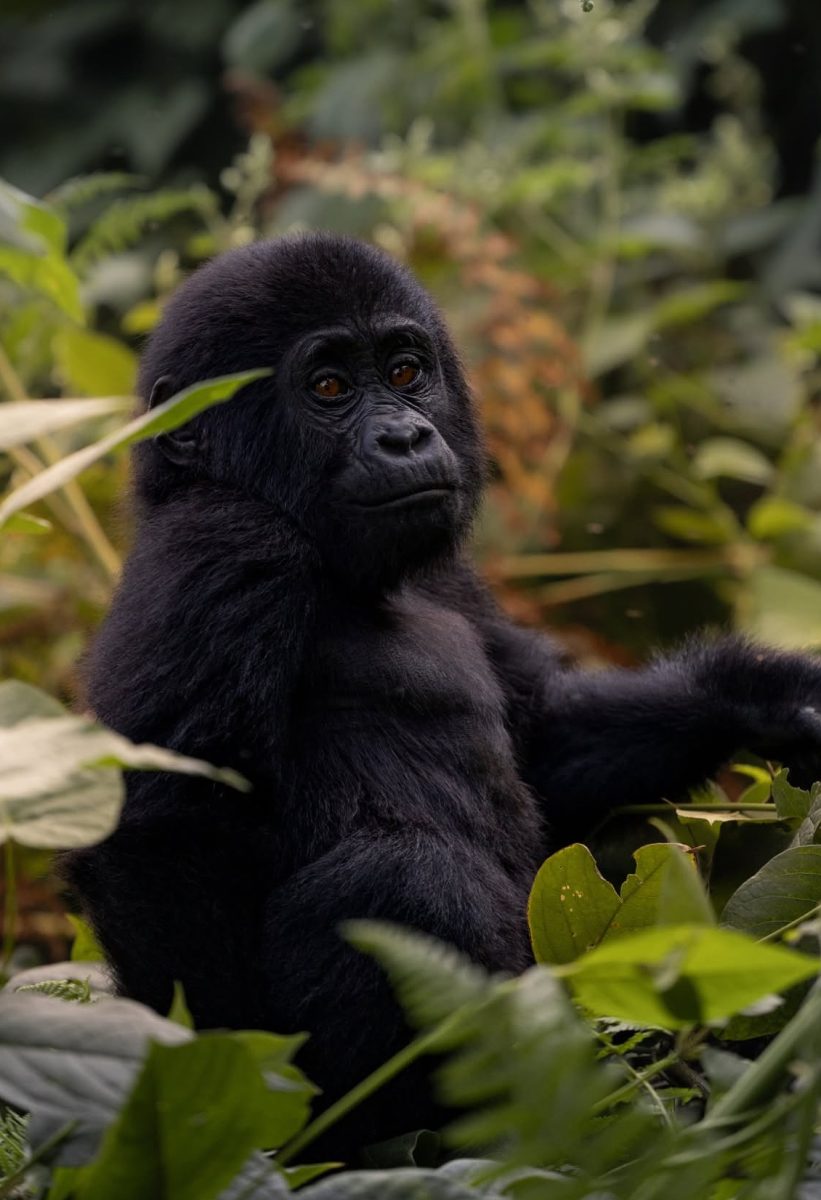
Gorilla trekking in Volcanoes National Park offers one of the most rewarding wildlife photography experiences in Africa. Deep within the mist covered forests of Rwanda, mountain gorillas live in their natural habitat, creating incredible opportunities for photographers and nature lovers. However, capturing stunning images during a gorilla trek requires more than simply carrying a camera. The dense vegetation, changing weather conditions, and low light environment present unique challenges that demand preparation and skill. Fortunately, with the right equipment, camera settings, and field techniques, you can return home with breathtaking photographs that tell the story of your encounter. At Zamunda Travels, we guide travelers through every stage of their gorilla trekking adventure, helping them prepare for a successful and memorable photography experience.
Why Gorilla Photography Is Unique
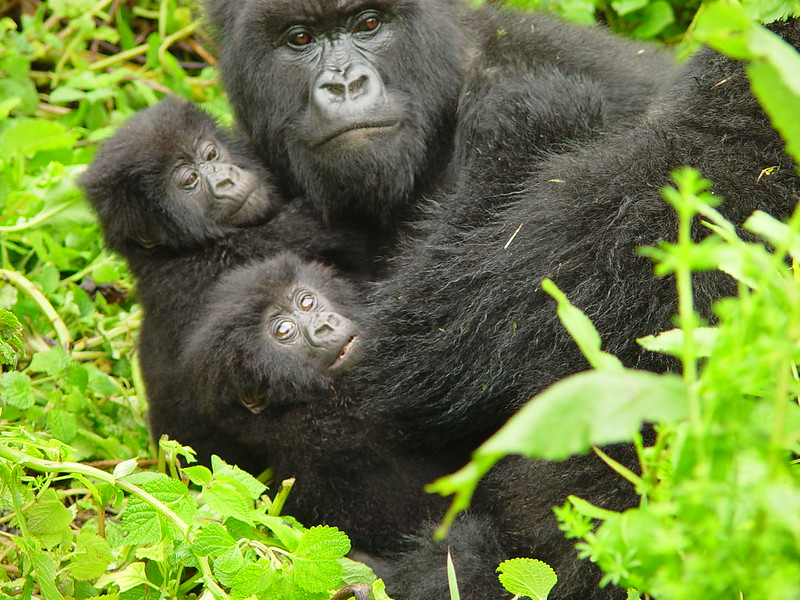
Photographing mountain gorillas differs significantly from photographing wildlife on a traditional safari. Unlike animals that roam open savannah landscapes, gorillas inhabit thick rainforest environments where sunlight struggles to penetrate the forest canopy. As a result, photographers often work in dim lighting conditions. In addition, gorillas move naturally through dense vegetation, which can obstruct clear shots. Nevertheless, these challenges make the experience even more rewarding. Every successful image captures authentic moments between gorilla family members, including feeding, grooming, resting, and playful interactions among young gorillas. Therefore, understanding the environment before your trek can greatly improve your results.
Choose the Right Camera Equipment
One of the most important gorilla trekking photography tips involves selecting suitable camera gear. A DSLR or mirrorless camera with excellent low light performance works best for rainforest photography. Since flash photography is strictly prohibited during gorilla trekking, your camera must perform well at higher ISO settings.
A zoom lens ranging from 70-200mm often provides the ideal balance between flexibility and image quality. During the trek, gorillas may approach surprisingly close, making extremely long telephoto lenses unnecessary in many situations. Additionally, carrying a wide-angle lens can help capture environmental portraits that showcase the gorillas within their forest habitat.
At the same time, avoid carrying excessive equipment. The trek can be physically demanding, especially during wet conditions. Therefore, a lightweight photography setup allows you to move comfortably through the forest while remaining ready for photographic opportunities.
Gorilla Trekking Photography Tips for Low-Light Conditions
The forest environment creates one of the biggest challenges for wildlife photographers. Thick vegetation and towering trees often reduce available light. Consequently, understanding camera settings becomes essential.
Use a wider aperture whenever possible. Settings such as f/2.8, f/4, or f/5.6 allow more light to reach the camera sensor. Furthermore, increasing your ISO can help maintain a faster shutter speed, which reduces motion blur when gorillas move unexpectedly. Modern cameras handle higher ISO values remarkably well, making this adjustment worthwhile.
In addition, shooting in RAW format provides greater flexibility during post-processing. RAW files preserve more image data, allowing photographers to recover shadows and adjust exposure without sacrificing image quality.
Best Camera Settings for Gorilla Trekking Photography
Successful gorilla photography often depends on using the correct camera settings. While every situation differs, a few general guidelines can improve your chances of capturing sharp images.
Set your camera to continuous autofocus mode so it can track movement effectively. Gorillas may change position quickly, especially juveniles that enjoy playing and climbing. Moreover, using burst shooting mode enables you to capture multiple frames during brief moments of action.
A shutter speed of at least 1/250 second helps freeze movement in most situations. If gorillas become more active, consider increasing your shutter speed even further. Meanwhile, monitor your exposure regularly because forest lighting can change rapidly as clouds move overhead.
Gorilla Trekking Photography Tips for Composition
Technical settings matter, but strong composition transforms ordinary photographs into memorable images. Instead of photographing every gorilla from the same angle, look for opportunities to create visual variety.
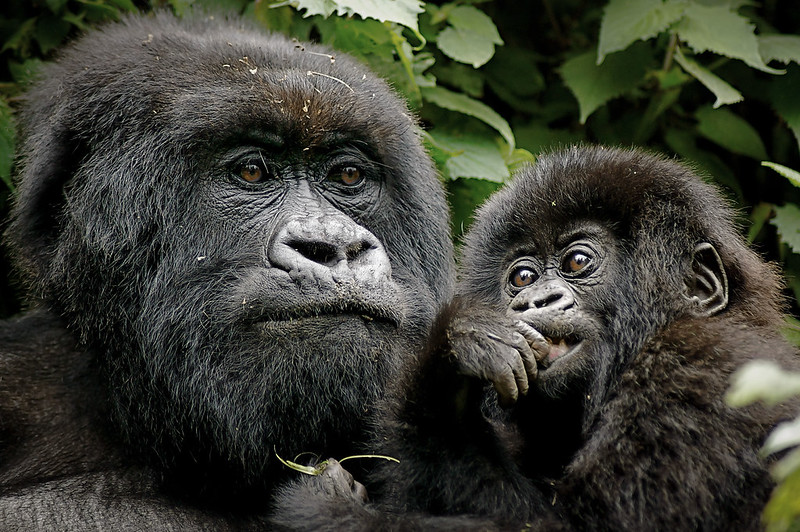
Focus on eye contact whenever possible. Images that reveal a gorilla’s eyes often create a powerful emotional connection with viewers. Likewise, pay attention to natural behaviors such as mothers caring for infants or silverbacks observing their families. These moments tell compelling stories and add depth to your photography.
Additionally, use surrounding vegetation creatively. Leaves, branches, and forest textures can frame your subject naturally. However, ensure that these elements enhance rather than distract from the gorilla.
Respect Wildlife While Taking Photos
Responsible photography remains a key part of every gorilla trekking experience. Conservation authorities enforce strict rules to protect mountain gorillas from stress and disease transmission. Therefore, visitors must maintain a respectful distance and follow instructions from guides and rangers at all times.
Never attempt to move closer solely for a better photograph. Instead, use your zoom lens to fill the frame while respecting established guidelines. Furthermore, avoid sudden movements and loud noises that could disturb the gorillas.
At Zamunda Travels, we emphasize ethical wildlife tourism because responsible photography supports long term gorilla conservation efforts throughout Rwanda.
Protect Your Photography Equipment During the Trek
Rainfall can occur at any time in Volcanoes National Park. Consequently, protecting your camera equipment should remain a top priority. Carry waterproof camera covers, dry bags, and microfiber cloths to shield your gear from moisture.
Similarly, pack extra batteries because cold and damp conditions can reduce battery performance. Memory cards with ample storage capacity also ensure you never miss important photographic moments during your trek.
Many experienced photographers carry a comfortable backpack designed specifically for outdoor photography. Such bags offer protection while allowing quick access to essential equipment when wildlife encounters occur.
Capture the Complete Gorilla Trekking Experience
While gorillas remain the main attraction, remember to photograph other aspects of your journey. The dramatic volcanic landscapes, lush rainforest scenery, and experienced local guides all contribute to the overall experience.
Photographs of hiking trails, forest vegetation, and panoramic mountain views help create a complete visual story. Moreover, these images provide valuable context when sharing your adventure with family, friends, or online audiences.
By documenting the entire experience, you create a richer collection of memories that extends beyond the gorilla encounter itself.
Final Thoughts on Gorilla Trekking Photography Tips
Following these gorilla trekking photography tips can significantly improve your chances of capturing extraordinary images in Volcanoes National Park. Preparation, patience, and respect for wildlife remain the foundations of successful photography. Although the rainforest presents unique challenges, it also offers unmatched opportunities to photograph one of the world’s most endangered and fascinating species.
Whether you are a professional photographer or a first time traveler, a gorilla trek in Rwanda delivers unforgettable moments behind the lens. Zamunda Travels can help you plan every detail of your adventure, from securing permits to organizing guided treks that maximize your chances of enjoying exceptional wildlife photography in Volcanoes National Park.