
Complete Guide to Visiting Volcanoes National Park
June 13, 2026
Water Sports and Recreation on Lake Kivu
June 14, 2026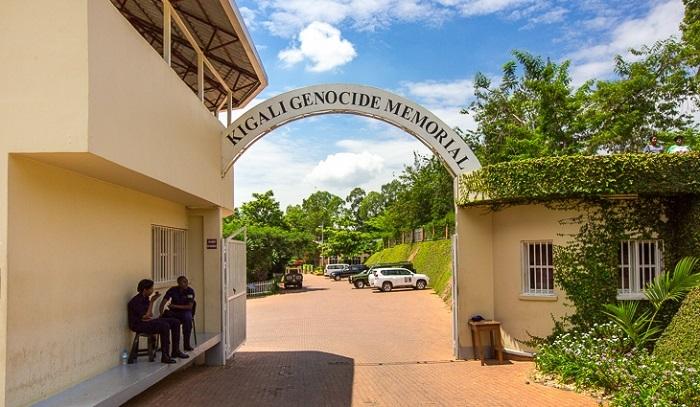
A visit to the Kigali Genocide Memorial offers more than a historical tour. It provides a powerful opportunity to learn about Rwanda’s past, honor the victims of the 1994 Genocide against the Tutsi, and witness the country’s remarkable recovery. Located in Kigali, Rwanda’s capital city, the memorial stands as a place of remembrance, education, and hope. Every year, thousands of visitors from around the world come to understand one of the most tragic events in modern African history.
For travelers exploring Rwanda, the Kigali Genocide Memorial serves as an essential stop before embarking on wildlife adventures, cultural experiences, or gorilla trekking expeditions. At Zamunda Travels, we encourage visitors to include this meaningful site in their itinerary because it offers valuable insight into Rwanda’s journey toward unity and reconciliation.
Understanding the History Behind Kigali Genocide Memorial
The Kigali Genocide Memorial was established to commemorate the victims of the 1994 Genocide against the Tutsi. During the genocide, more than 800,000 people lost their lives within approximately one hundred days. The memorial was officially opened in 2004 to mark the tenth anniversary of the tragedy and to create a permanent space for remembrance.
Today, the memorial serves several important purposes. It preserves the memory of those who perished, educates future generations, and promotes peace building initiatives. Furthermore, it encourages visitors to reflect on the consequences of hatred, discrimination, and violence. Through its exhibitions and educational programs, the memorial continues to play a significant role in Rwanda’s national healing process.
What to Expect During a Visit to Kigali Genocide Memorial
Visitors entering the Kigali Genocide Memorial encounter a carefully designed experience that combines education, reflection, and remembrance. The site contains permanent exhibitions, memorial gardens, burial grounds, and educational centers that help guests understand the events leading up to the genocide and its devastating impact.
The main exhibition provides detailed historical information through photographs, videos, personal testimonies, and archival materials. As visitors move through the galleries, they gain a deeper understanding of the social, political, and historical factors that contributed to the genocide. Additionally, survivor stories offer emotional and personal perspectives that leave a lasting impression.
The memorial grounds also contain mass graves where more than 250,000 victims rest. These burial sites create a solemn atmosphere that encourages quiet reflection and respect for those who lost their lives.
Exploring the Exhibitions at Kigali Genocide Memorial
The Permanent Exhibition at Kigali Genocide Memorial
The permanent exhibition forms the heart of the memorial experience. It presents a chronological account of Rwanda’s history before, during, and after the genocide. Through multimedia displays, visitors learn how divisions were created and exploited over time. The exhibition also highlights the courage of individuals who risked their lives to save others during the violence.
Importantly, the exhibition emphasizes Rwanda’s efforts toward reconciliation and rebuilding. As a result, visitors leave with a balanced understanding of both the tragedy and the resilience that followed.
Children’s Memorial Exhibition
One of the most emotional sections of the memorial focuses on children who lost their lives during the genocide. The exhibition shares photographs, favorite foods, hobbies, dreams, and personal details about young victims. Consequently, visitors connect with the human stories behind the historical events.
Many guests find this section especially moving because it highlights the innocence of the children affected by the violence. Therefore, it often becomes one of the most memorable parts of the visit.
Global Genocide Awareness Exhibition
The memorial also features an exhibition that examines other genocides around the world. This section places Rwanda’s experience within a broader global context. Visitors learn about historical atrocities in different regions while exploring efforts to prevent future acts of genocide.
As a result, the exhibition promotes awareness, responsibility, and international cooperation in protecting human rights.
Why Kigali Genocide Memorial Is Important for Travelers
Many travelers visit Rwanda for gorilla trekking in Volcanoes National Park, wildlife safaris in Akagera National Park, or chimpanzee tracking in Nyungwe National Park. However, a visit to the Kigali Genocide Memorial adds an important cultural and historical dimension to any itinerary.
The memorial helps travelers understand the strength and determination that have shaped modern Rwanda. Moreover, it offers valuable context for appreciating the country’s remarkable development, cleanliness, safety, and national unity. By learning about the past, visitors gain a deeper appreciation for Rwanda’s achievements and its vision for the future.
At Zamunda Travels, we believe that meaningful travel combines adventure with education. Therefore, we often recommend visiting the memorial before exploring Rwanda’s natural attractions.
Practical Tips for Visiting Kigali Genocide Memorial
Best Time to Visit Kigali Genocide Memorial
The memorial welcomes visitors throughout the year. Morning visits often provide a quieter experience, allowing guests to explore the exhibitions at a comfortable pace. Since the memorial is located within Kigali city, it remains easily accessible regardless of the season.
Respectful Behavior at Kigali Genocide Memorial
Because the memorial is a place of remembrance, visitors should dress modestly and maintain respectful conduct throughout their visit. Photography restrictions may apply in certain areas, so guests should follow all guidelines provided by staff members.
Additionally, visitors should prepare emotionally for the experience. Some sections contain graphic images and deeply moving testimonies that may be difficult for sensitive audiences.
Guided Tours Enhance the Experience
A guided tour can significantly enrich a visit to the memorial. Knowledgeable guides provide historical context, answer questions, and help visitors better understand the exhibitions. Consequently, many travelers gain a more meaningful experience through professional interpretation.
Zamunda Travels can arrange guided visits as part of a broader Rwanda cultural and wildlife itinerary.
Combining Kigali Genocide Memorial with Other Kigali Attractions
After visiting the memorial, travelers can continue exploring Kigali’s vibrant attractions. Popular sites include Kimironko Market, the Kigali Convention Centre, local art galleries, coffee shops, and cultural centers. These attractions showcase Rwanda’s creativity, entrepreneurship, and modern urban development.
Many visitors choose to spend at least one full day in Kigali before traveling to other regions of the country. This approach allows sufficient time to explore the memorial while also experiencing the city’s welcoming atmosphere.
Conclusion
A visit to the Kigali Genocide Memorial is one of the most meaningful experiences available in Rwanda. The memorial preserves the memory of the victims, educates future generations, and promotes a powerful message of peace and reconciliation. Through its exhibitions, memorial gardens, and educational programs, it provides an honest and respectful account of Rwanda’s history.
Beyond its historical significance, the memorial demonstrates the resilience and determination of the Rwandan people. For this reason, it remains an essential destination for travelers seeking a deeper understanding of the country. Whether you are planning a cultural journey, a gorilla trekking adventure, or a complete Rwanda safari, Zamunda Travels can help you include the Kigali Genocide Memorial as part of an unforgettable and meaningful travel experience.