Sunset Experiences on Lake Kivu: Witness Rwanda’s Most Beautiful Evening Views
June 14, 2026
Why Rwanda Is Called the Land of a Thousand Hills
June 15, 2026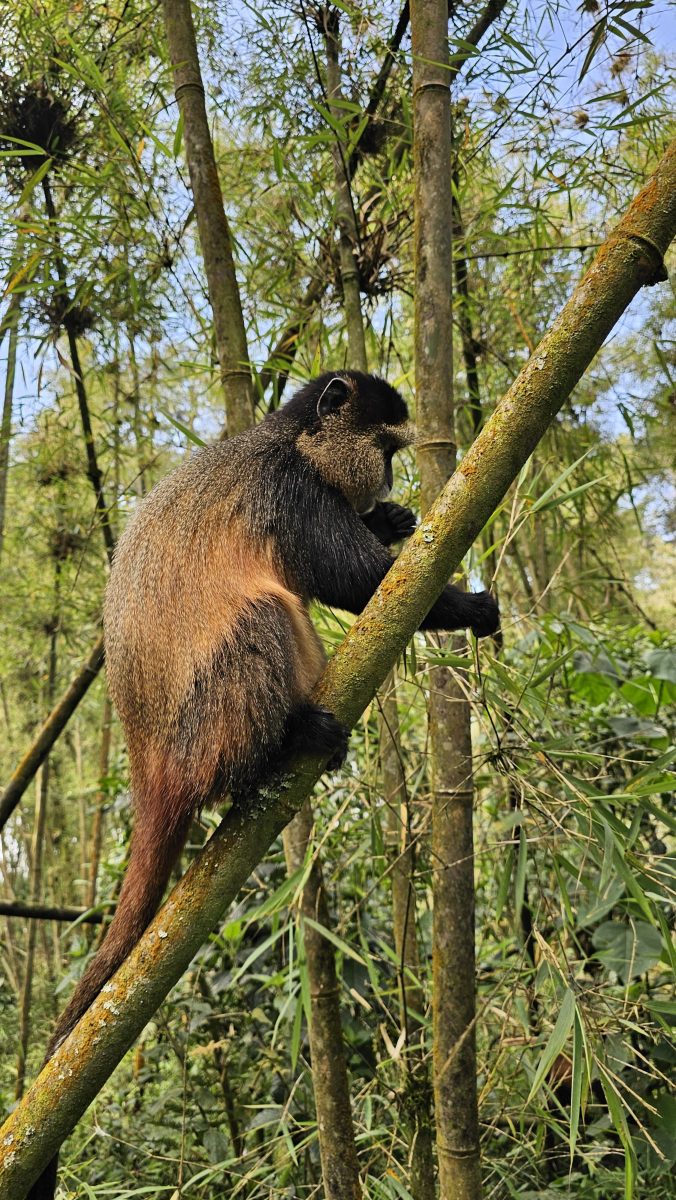
Rwanda has become one of Africa’s greatest conservation success stories. Over the last few decades, the country has transformed its wildlife sector through strong environmental policies, community involvement, and sustainable tourism practices. Today, visitors from around the world travel to Rwanda not only to experience breathtaking landscapes and rare wildlife but also to witness how conservation and tourism can work together to create lasting benefits. Through careful management of protected areas and responsible tourism initiatives, Rwanda continues to protect its natural heritage while generating revenue that supports both wildlife and local communities. As a result, the country has earned international recognition as a leading destination for eco tourism in Africa. Travelers who choose Rwanda contribute directly to conservation efforts, making every safari, nature walk, and wildlife encounter part of a larger mission to preserve biodiversity for future generations.
Wildlife Conservation Rwanda Success Story
The story of wildlife conservation Rwanda efforts is one of determination and innovation. Following years of environmental pressure and habitat loss, Rwanda invested heavily in restoring its national parks and wildlife populations. The government strengthened conservation laws, increased anti poaching measures, and partnered with international conservation organizations to protect endangered species. These actions helped create safer habitats for wildlife while encouraging sustainable tourism growth.
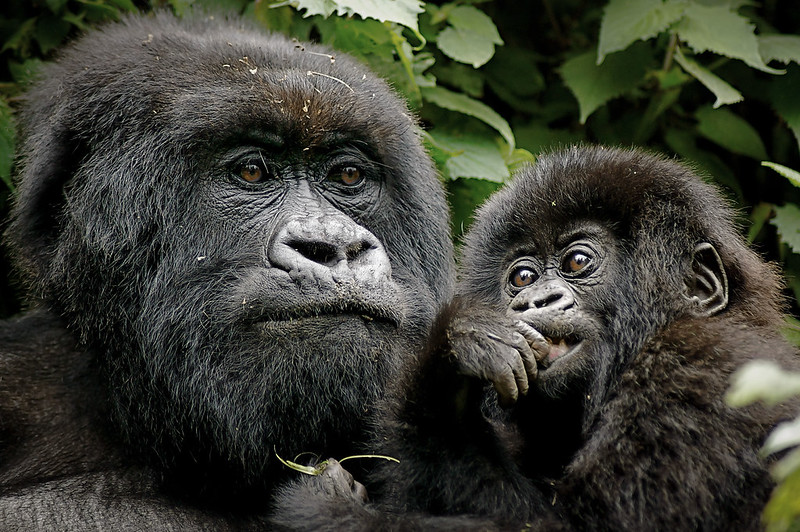
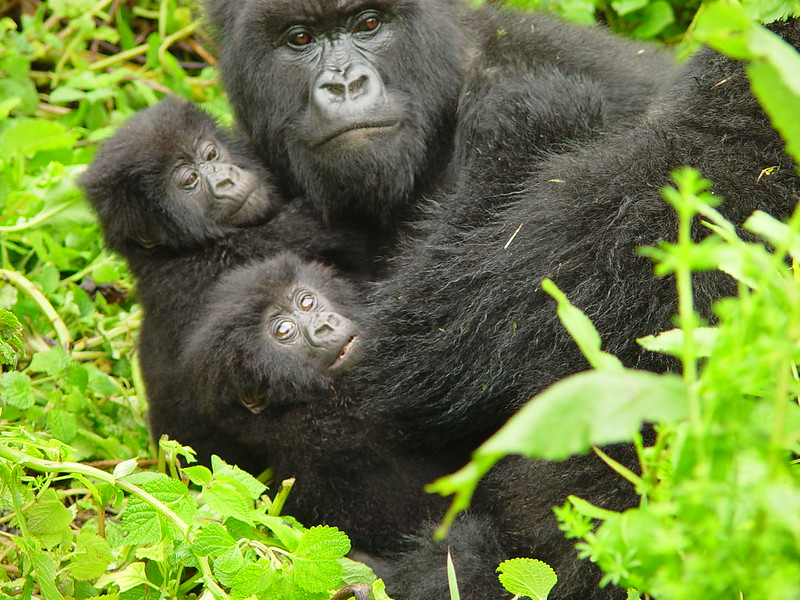
One of the most remarkable achievements has been the protection of mountain gorillas. Rwanda is home to a significant population of these critically endangered primates, which live in the lush forests of Volcanoes National Park. Conservation programs have improved monitoring efforts, enhanced veterinary care, and reduced threats from human activities. Consequently, mountain gorilla populations have shown positive growth over the years. Revenue generated from gorilla trekking permits plays a major role in funding conservation programs and supporting local communities that live near protected areas.
Beyond gorillas, Rwanda has also made substantial progress in protecting other species such as golden monkeys, elephants, buffaloes, lions, rhinos, and numerous bird species. These achievements demonstrate how long-term conservation planning can produce meaningful results for wildlife and people alike.
Wildlife Conservation Rwanda in National Parks
Rwanda’s national parks serve as the foundation of the country’s conservation strategy. Each protected area contributes to preserving ecosystems and supporting sustainable tourism activities.
Wildlife Conservation Rwanda in Volcanoes National Park
Volcanoes National Park remains Rwanda’s most famous conservation area. Located in the northwestern region of the country, the park protects mountain gorillas, golden monkeys, and diverse forest ecosystems. The park gained global recognition through the work of conservationist Dian Fossey, whose efforts helped raise awareness about gorilla protection. Today, strict visitor regulations ensure that tourism activities do not negatively affect wildlife populations. Furthermore, revenue from tourism supports park management, scientific research, and community development projects.
Wildlife Conservation Rwanda in Akagera National Park
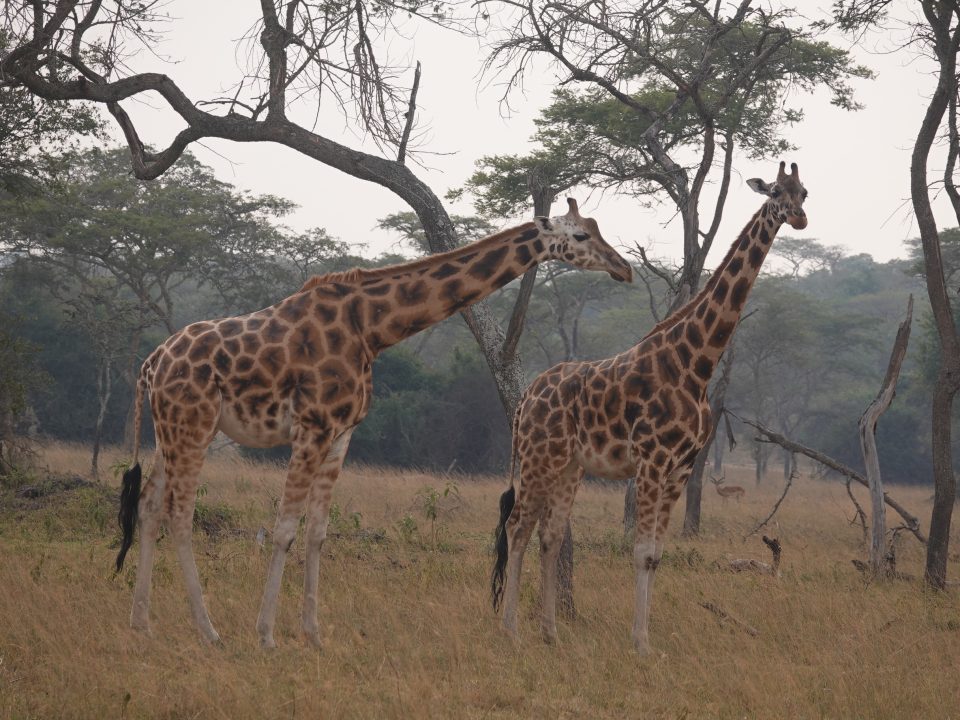
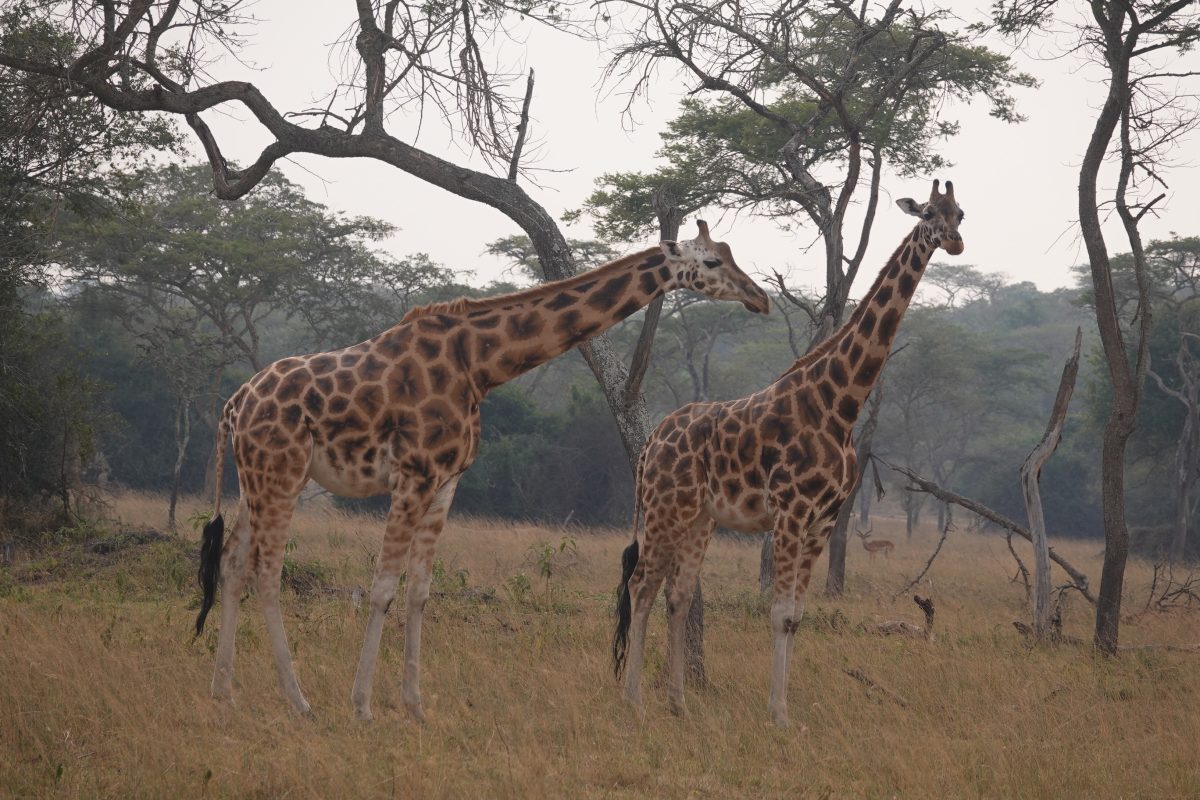
Akagera National Park represents another major conservation success. Once heavily affected by human encroachment and wildlife decline, the park has undergone remarkable restoration. Conservation partnerships have helped reintroduce lions and black rhinos, allowing Akagera to regain its status as a Big Five safari destination. Visitors can now enjoy game drives, boat safaris, and birdwatching experiences while contributing to ongoing conservation initiatives. The park’s success highlights the importance of effective wildlife management and sustainable tourism investment.
Wildlife Conservation Rwanda in Nyungwe National Park
Nyungwe National Park protects one of Africa’s oldest montane rainforests. The park supports a rich variety of wildlife, including chimpanzees, colobus monkeys, and hundreds of bird species. Conservation efforts focus on preserving forest habitats while promoting responsible tourism activities such as canopy walks, guided nature hikes, and primate tracking. These experiences allow visitors to connect with nature while helping fund forest conservation programs.
The Role of Tourism in Wildlife Conservation Rwanda
Tourism plays a crucial role in supporting wildlife conservation Rwanda initiatives. Every visitor contributes directly or indirectly to conservation funding through park entrance fees, trekking permits, accommodation taxes, and tourism services. These funds support anti-poaching patrols, habitat restoration projects, wildlife monitoring programs, and environmental education initiatives.
In addition, tourism creates employment opportunities for local communities. Many residents work as guides, rangers, hotel staff, drivers, and conservation personnel. Because communities benefit economically from tourism, they often become active partners in protecting wildlife and natural resources. This relationship creates a powerful incentive to preserve ecosystems rather than exploit them unsustainably.
Moreover, tourism raises global awareness about Rwanda’s conservation achievements. Visitors return home with a deeper appreciation for wildlife protection and often become advocates for conservation efforts worldwide. Therefore, tourism serves as both a financial and educational tool that strengthens conservation outcomes.
Community Benefits from Wildlife Conservation Rwanda
Community participation remains a key element of Rwanda’s conservation model. The government allocates a portion of tourism revenue to community development projects located near national parks. These projects support schools, healthcare facilities, clean water systems, roads, and other essential infrastructure.
As communities experience tangible benefits from tourism, support for conservation increases. Residents are more likely to report illegal activities, participate in environmental education programs, and engage in sustainable livelihood initiatives. This collaborative approach reduces human-wildlife conflict and strengthens relationships between protected areas and neighboring populations.
Additionally, community based tourism experiences allow visitors to learn about local traditions, cultural heritage, and conservation practices. These interactions create meaningful connections while generating additional income for local families.
Challenges Facing Wildlife Conservation Rwanda
Despite significant achievements, Rwanda still faces several conservation challenges. Population growth continues to increase pressure on land resources. Climate change also presents new threats through changing weather patterns, habitat shifts, and ecosystem disruptions. Furthermore, maintaining high levels of conservation funding requires continued tourism growth and international support.
To address these challenges, Rwanda continues to invest in sustainable land management, environmental education, scientific research, and community engagement. Strong partnerships between government agencies, conservation organizations, local communities, and tourism stakeholders remain essential for long-term success.
Fortunately, Rwanda’s commitment to conservation provides a strong foundation for overcoming these obstacles. The country’s proactive approach demonstrates that economic development and environmental protection can progress together.
Exploring Rwanda’s Conservation Success with Zamunda Travels
Travelers seeking meaningful wildlife experiences can discover Rwanda’s conservation achievements through carefully designed tours with Zamunda Travels. From gorilla trekking adventures in Volcanoes National Park to chimpanzee encounters in Nyungwe Forest and classic safaris in Akagera National Park, Zamunda Travels offers responsible travel experiences that support conservation and community development.
By choosing sustainable tourism options, visitors become active participants in protecting Rwanda’s extraordinary biodiversity. Every journey contributes to conservation programs, supports local livelihoods, and helps preserve some of Africa’s most remarkable wildlife habitats. Whether you are observing mountain gorillas in mist-covered forests or exploring the diverse ecosystems of Rwanda’s national parks, your visit becomes part of a larger conservation story that continues to inspire the world.
Conclusion
Wildlife conservation Rwanda initiatives have transformed the country into a global model for sustainable tourism and environmental protection. Through effective conservation policies, community participation, and responsible tourism practices, Rwanda has successfully protected endangered species while creating economic opportunities for its people. National parks such as Volcanoes, Akagera, and Nyungwe demonstrate how conservation and tourism can work together to achieve lasting success. As more travelers choose eco friendly experiences, Rwanda’s commitment to preserving its natural heritage will continue to benefit wildlife, local communities, and future generations. With Zamunda Travels, visitors can experience this remarkable conservation journey while contributing directly to the protection of Rwanda’s extraordinary wildlife and landscapes.