Guided vs Self-Drive Safari in Uganda: Which Is Better?
August 7, 2026
Facts About Akagera National Park
August 8, 2026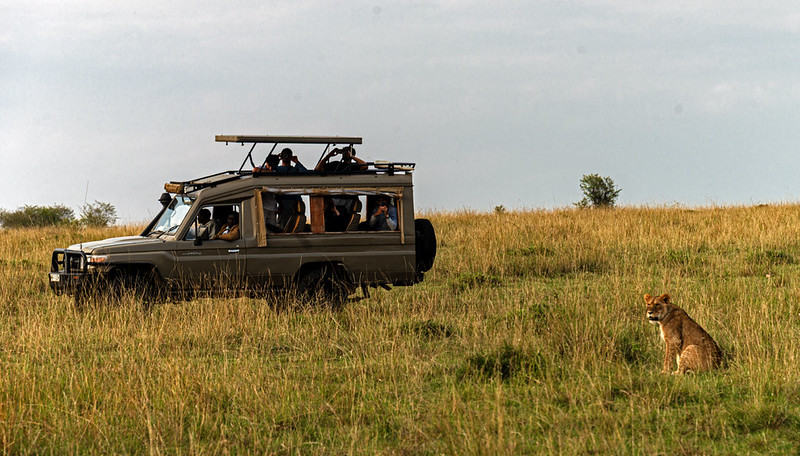
Planning an African safari involves far more than picking a destination and a lodge. The vehicle you sit in for six to eight hours a day will shape every sighting, every photograph, and every memory you bring home. At Zamunda Travels, we believe that choosing the right safari vehicle is one of the most overlooked decisions in trip planning, yet it directly affects comfort, visibility, and even safety. This guide breaks down the vehicle types you will meet on the continent, the features worth checking before you book, and how the team at Zamunda Travels matches every traveler with the ride that fits their style.
Why the Right Safari Vehicle Shapes Your Entire Safari
Most first time travelers focus on the destination and forget to ask what they will actually be sitting in each day. A vehicle determines your sightline to wildlife, your protection from dust and sun, and how close you can get to a cheetah stalking through the grass. Open sides give you unfiltered views and better photos, while closed cabins protect you from rain, wind, and curious predators that sometimes jump onto vehicle roofs. Long transfer days between parks also test suspension and legroom, so comfort is not a luxury; it is a necessity. Zamunda Travels builds every itinerary around this reality, pairing each route with a vehicle suited to the terrain, the season, and the traveler.
Types of Safari Vehicles You Will Encounter in Africa
Africa’s safari vehicles vary by country, park regulation, and lodge style. Understanding the main categories helps you set realistic expectations before you land.
Closed-Sided Land Cruisers with Pop-Up Roofs
The pop top Toyota Land Cruiser is arguably the most recognized safari vehicle on the continent. Fully enclosed sides protect passengers from dust, rain, and intense sun, while a lift up roof hatch lets everyone stand for a 360 degree view during a sighting. This design also handles long transfers well, since the enclosed cabin shields riders on dusty highway stretches between parks. You will find these vehicles throughout Tanzania, Kenya, and Uganda, and they remain the standard choice inside the Ngorongoro Crater, where open sided vehicles are restricted for safety reasons. Zamunda Travels favors this model for multi park itineraries because it balances protection with excellent game-viewing access.
Open-Sided 4×4 Land Cruisers and Land Rovers
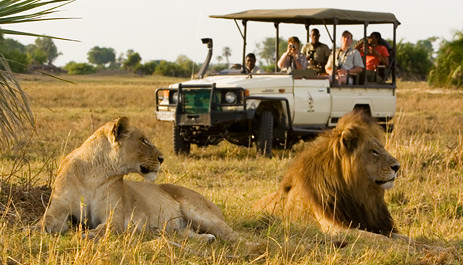
Open-sided vehicles strip away the windows and doors entirely, replacing them with tiered seating that gives every passenger an unobstructed angle on the action. Photographers love this setup because nothing sits between the lens and the animal, and guides can position the vehicle for the perfect shot without glass in the way. These vehicles dominate private conservancies and reserves such as the Masai Mara conservancies, Sabi Sands, and Botswana’s Okavango Delta, where off-road driving is permitted. However, they offer little defense against sudden rain or dust, so Zamunda Travels typically recommends them for dry-season trips or shorter game drives rather than full-day border-to-border transfers.
Safari Minibuses and Vans
A safari minibus, often a converted Toyota HiAce, gives budget-conscious travelers a comfortable ride with a pop-up roof and a guaranteed window seat. These vans carry between six and nine passengers and cost less than a dedicated 4×4, which makes them popular in Kenya and Uganda. Ground clearance and suspension are weaker than a Land Cruiser, though, so minibuses work best on parks with established road networks rather than deep off-road terrain. Zamunda Travels still books minibuses for travelers on tighter budgets, particularly on itineraries that stick to well-maintained park circuits.
Overland Trucks for Group Expeditions
For larger groups traveling across multiple countries, an overland truck carries anywhere from twelve to thirty passengers alongside camping gear and supplies. These trucks trade intimacy for practicality, since long haul, multi country trips demand storage space and rugged mechanics more than tight maneuverability. Zamunda Travels reserves this option for group camping safaris that prioritize adventure and shared experience over private, personalized game drives.
How to Choose the Right Safari Vehicle Based on Destination
Vehicle availability changes from country to country, so the right safari vehicle often depends less on personal preference and more on where you are headed. In Tanzania, closed pop-top Land Cruisers dominate because game drives frequently involve long distances between the Serengeti, Ngorongoro, and Tarangire. Kenya offers a mix of Land Cruisers and vans, with open-sided jeeps reserved for private conservancies near the Masai Mara. Botswana leans heavily toward open-sided 4x4s, since most game drives happen inside private reserves like Chobe and the Okavango Delta, where off-road access is standard. South Africa’s Kruger region, by contrast, often uses closed 4x4s or even sedans for self-drive visitors, alongside open-sided vehicles for guided game drives in private concessions. Zamunda Travels cross checks every itinerary against these regional norms so that travelers never end up with a vehicle unsuited to the parks on their route.
Key Features to Check Before You Book
Beyond the basic vehicle category, several details separate an average safari ride from a genuinely comfortable one. Reviewing these features with your travel consultant before departure prevents unpleasant surprises once you are already in the bush.
Seating, Legroom, and Window Access
A cramped middle seat can ruin an otherwise excellent game drive, so ask whether every passenger gets a window seat. Land Cruisers typically seat six to seven guests in rows of two or three, guaranteeing a clear view for each traveler. Vans can pack in more passengers, which sometimes means less legroom on longer transfer days. Zamunda Travels caps vehicle occupancy below the maximum listed capacity, ensuring guests have room to move and photograph comfortably.
Suspension and Ground Clearance
Reinforced suspension matters more than most travelers expect, particularly on the rutted tracks found in game reserves during the rainy season. A 4WD system becomes essential once roads turn to mud or sand, and Land Cruisers generally outperform vans on this front because of their higher ground clearance. If your itinerary includes remote conservancies or sandy riverbeds, prioritize a dedicated 4×4 over a standard minibus.
Weather Protection and Insect Screens
Dry-season and wet-season safaris call for different vehicle features. Closed-sided vehicles with sliding windows offer flexibility, since you can open them for airflow or seal them against a sudden downpour. Insect screens also matter in humid regions, protecting passengers from mosquitoes during early morning and dusk drives. Zamunda Travels adjusts vehicle recommendations by season, steering wet-season travelers toward enclosed cabins and dry-season travelers toward open-sided options.
Photography-Friendly Design
Serious photographers should look beyond seating and ask about stabilized platforms, beanbag rests, and unobstructed sightlines. Open-sided vehicles generally win here because nothing blocks the lens, though a pop-up roof still allows standing shots with a steady base. Charging ports and low engine vibration also help protect long lens work from blur. When guests mention photography as a priority, Zamunda Travels books vehicles specifically outfitted with these extras rather than a generic tourist van.
Choosing the Right Safari Vehicle for Your Travel Style
Matching a vehicle to your travel style, rather than simply your destination, often makes the biggest difference in overall satisfaction.
Families and First-Time Safari Travelers
Families with children generally benefit from closed pop-top Land Cruisers, since the enclosed cabin keeps young travelers protected from sun, insects, and long stretches of dust. The pop-up roof still delivers excellent viewing during sightings, so nobody misses the action. Zamunda Travels also builds in shorter drive segments for families, reducing fatigue on longer transfer days.
Photographers and Wildlife Enthusiasts
Travelers chasing that perfect shot should request open-sided 4x4s wherever park regulations allow them. The unobstructed angles and tiered seating give photographers room to work without elbowing fellow passengers. Zamunda Travels pairs these guests with smaller group sizes, since fewer people per vehicle means more space for equipment and quicker repositioning during a sighting.
Budget-Conscious Group Travelers
Groups traveling together on a tighter budget often do well with safari minibuses or shared overland trucks, both of which reduce the per-person cost significantly. The trade-off is reduced off-road capability, so these travelers should stick to parks with established road networks. Zamunda Travels is transparent about this trade-off upfront, helping guests weigh cost savings against terrain access before committing to a package.
How Zamunda Travels Helps You Pick the Perfect Vehicle
Choosing the right safari vehicle should never feel like guesswork, and that is exactly why Zamunda Travels builds every trip around a detailed conversation about priorities, budget, and destination. Our consultants review your chosen parks, cross-reference local vehicle regulations, and factor in your travel style before recommending a specific setup. We also monitor seasonal road conditions across East and Southern Africa, adjusting recommendations as rainy seasons shift park accessibility. Because every group is different, Zamunda Travels never assigns a one-size-fits-all vehicle; instead, we match photographers with open-sided jeeps, families with enclosed pop-tops, and budget travelers with well-maintained vans. This attention to detail is what turns a good safari into an unforgettable one.
Final Thoughts
The right safari vehicle is not a minor logistics detail; it is the seat from which your entire trip unfolds. From closed pop-top Land Cruisers built for long transfers to open-sided 4x4s designed for photographers, each vehicle type serves a distinct purpose across Africa’s diverse parks and reserves. By weighing destination, season, travel style, and comfort features, you can avoid a mismatched booking and step into a vehicle built for the experience you actually want. Reach out to Zamunda Travels today, and let our team match you with the safari vehicle that will carry you through the trip of a lifetime.