Top 10 Archaeological Sites in East Africa Every History Lover Should Visit
August 11, 2026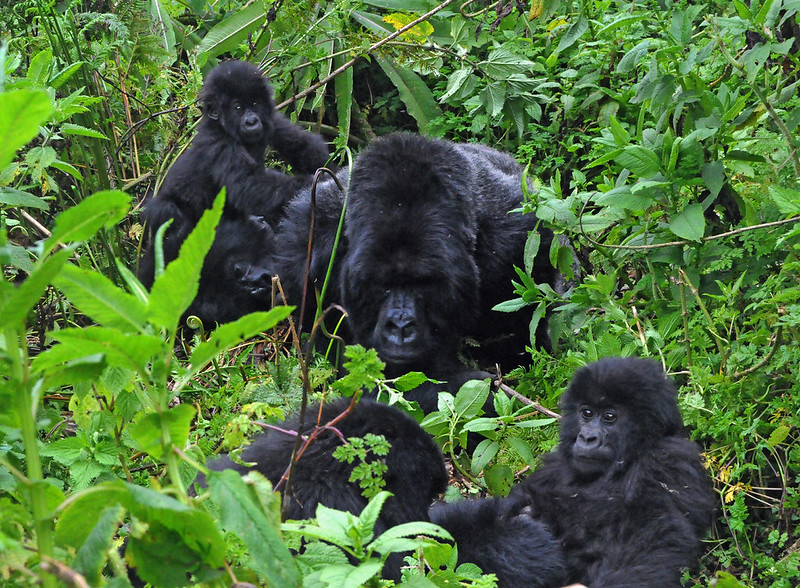
Rwanda is one of Africa’s most rewarding destinations for travelers who want to combine wildlife, beautiful landscapes, history and culture in one trip. Often called the Land of a Thousand Hills, the country offers much more than mountain gorilla trekking. Travelers can explore savannah plains in Akagera National Park, walk beneath ancient rainforest canopies in Nyungwe, relax beside Lake Kivu and discover the history of Rwanda in Kigali, Nyanza and Huye. In addition, Rwanda’s relatively compact size makes it possible to combine several of these experiences within one well planned itinerary. Visit Rwanda describes the country as a destination where travelers can experience an impressive variety of landscapes and wildlife within a relatively short time.
For travelers planning a private safari or cultural holiday, Zamunda Travels can help combine these destinations into a practical Rwanda itinerary. A well designed trip can include gorilla trekking, a wildlife safari, cultural visits and time around Lake Kivu without making the journey feel rushed. More importantly, choosing the right combination of attractions allows visitors to experience different sides of Rwanda rather than spending the entire trip in one region.
1. Volcanoes National Park: The Home of Mountain Gorillas
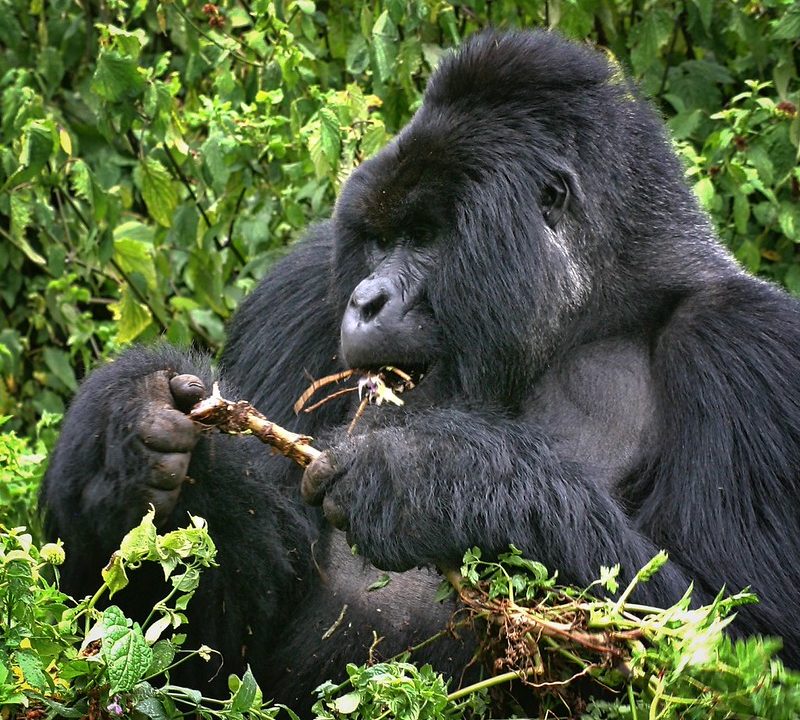
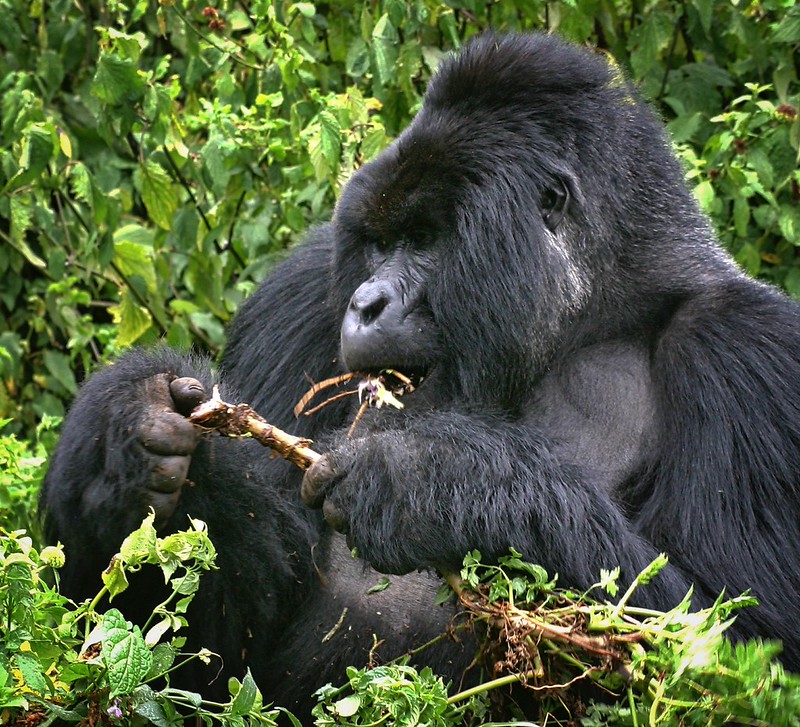
Volcanoes National Park is one of the most famous Rwanda attractions and remains the country’s leading destination for mountain gorilla trekking. Located in northwestern Rwanda, the park protects part of the Virunga Massif and contains a remarkable mixture of bamboo forest, montane forest, grassland, swamp and heath. The volcanic landscape includes Mount Karisimbi, Mount Bisoke, Mount Sabyinyo, Mount Gahinga and Mount Muhabura. The park is also home to mountain gorillas and golden monkeys, while its forests support a wide range of bird species.
Gorilla trekking offers one of Africa’s most memorable wildlife experiences. Visitors hike through the forest with trained trackers and guides until they locate a habituated gorilla group. Once they find the group, travelers can observe the animals as they feed, rest and interact within their natural habitat. The experience also highlights the importance of conservation because tourism revenue supports wildlife protection and communities around the park. Rwanda’s gorilla conservation program has contributed to a major recovery in the mountain gorilla population.
Beyond gorilla trekking, Volcanoes National Park offers golden monkey tracking and hiking. Travelers can also explore the volcanic scenery around the park or visit attractions connected to the area’s conservation history. Because trekking can involve steep and muddy terrain, visitors should prepare with suitable hiking shoes, waterproof clothing and reasonable physical fitness.
Hotel options near Volcanoes National Park: Travelers can choose from several accommodation levels. Five Volcanoes Boutique Hotel provides a convenient base close to gorilla trekking activities, while Virunga Lodge, Sabyinyo Silverback Lodge and Amakoro Songa Lodge offer more upscale stays.
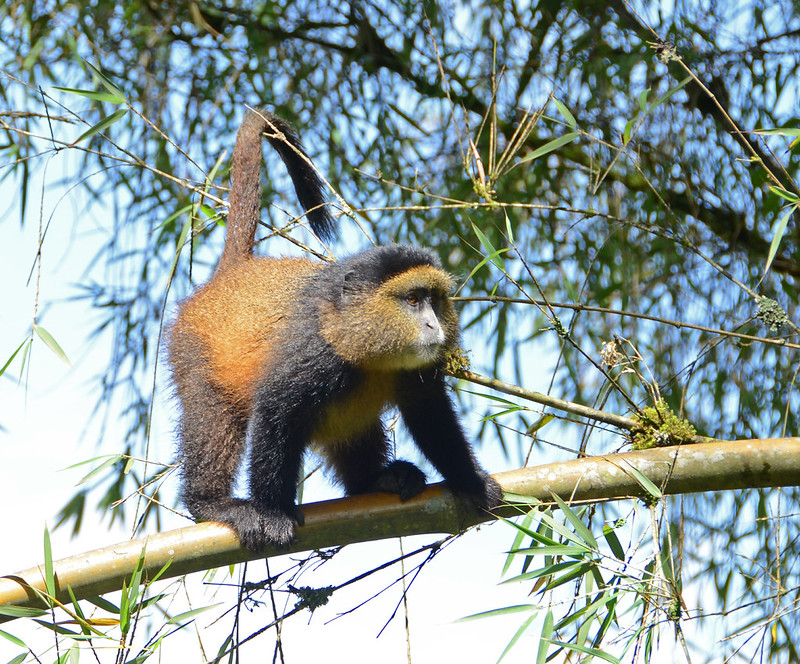
Golden Monkey Tracking in Volcanoes National Park
Golden monkey tracking provides another reason to visit Volcanoes National Park. These striking primates live in the Virunga mountain ecosystem, often moving through bamboo forests. The activity gives travelers an opportunity to explore the forest while experiencing a different side of Rwanda’s primate diversity. Therefore, visitors who want more than gorilla trekking can add golden monkey tracking to their itinerary.
Hotel options: Five Volcanoes Boutique Hotel and Amakoro Songa Lodge are suitable bases for exploring the Volcanoes area.
2. Akagera National Park: Rwanda’s Big Five Safari Destination
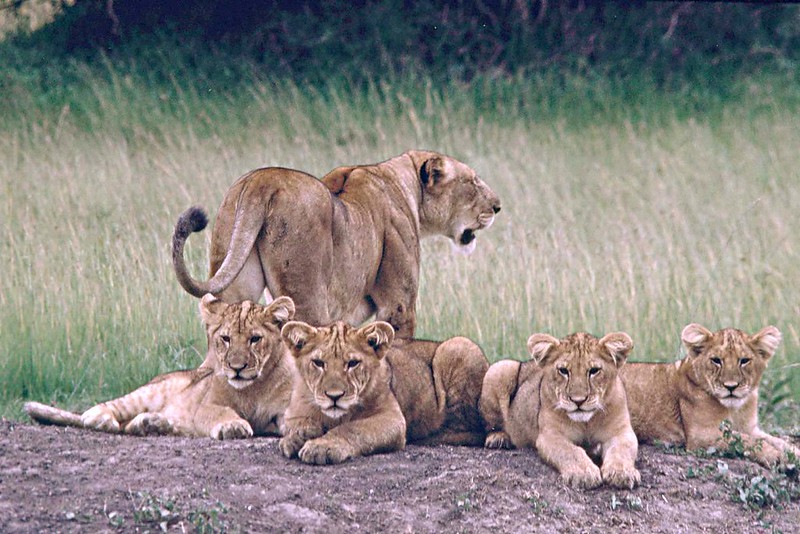
Akagera National Park offers a completely different landscape from Volcanoes. Located in eastern Rwanda, the park features savannah, woodland, wetlands and a chain of lakes. It has become one of the country’s leading Rwanda attractions for traditional safari experiences. Conservation efforts have restored important wildlife populations, including lions and rhinoceros, allowing visitors to look for the African Big Five: lion, leopard, elephant, buffalo and rhino.
A game drive is one of the best ways to explore Akagera. Early morning drives can provide excellent opportunities to observe wildlife when temperatures remain cooler. Depending on the route and conditions, visitors may encounter elephants, buffaloes, giraffes, zebras, antelopes, hippos and numerous bird species. Lions and rhinos also form an important part of Akagera’s conservation success.
However, the park offers more than conventional game drives. A boat trip on Lake Ihema provides another perspective of the landscape. From the water, travelers can watch hippos, crocodiles and waterbirds while enjoying views across the surrounding wetlands. Visit Rwanda also highlights boat rides on Lake Ihema as part of the Akagera safari experience.
Hotel options near Akagera National Park: Mantis Akagera Game Lodge offers a convenient base near the park’s southern entrance, while Ruzizi Tented Lodge overlooks Lake Ihema. Magashi Akagera provides a luxury safari option, while Mantis Epic Hotel & Suites offers another option near the northern entrance.
Wildlife and Birdwatching in Akagera
Akagera is also an excellent destination for birdwatchers. Its wetlands, lakes, woodland and grasslands create varied habitats for birds. Travelers can combine birdwatching with game drives, making the park particularly attractive to visitors who enjoy both mammals and birds.
For travelers working with Zamunda Travels, Akagera can fit naturally into a wider Rwanda safari. A two or three day visit can provide enough time for game drives, a boat experience and relaxation at a safari lodge.
3. Nyungwe National Park: Rainforest, Chimpanzees and the Canopy Walk
Nyungwe National Park is another of the most important Rwanda attractions for nature lovers. The ancient montane rainforest covers a mountainous region in southwestern Rwanda and supports exceptional biodiversity. Visit Rwanda describes Nyungwe as one of Africa’s oldest rainforests, with chimpanzees and numerous other primate species.
Chimpanzee tracking is one of Nyungwe’s most popular experiences. Visitors enter the forest with guides and trackers to search for habituated chimpanzee communities. The experience differs from gorilla trekking because chimpanzees move quickly through the forest and may spend considerable time high in the trees. Consequently, patience and flexibility are important.
Another highlight is the Nyungwe Canopy Walkway. The elevated walkway crosses a forested ravine and gives visitors an unusual view of the rainforest canopy. From above, travelers can observe the forest from a completely different perspective. The surrounding trails also provide opportunities for hiking, birdwatching and primate encounters.
Hotel options near Nyungwe National Park: Nyungwe House provides a luxury option beside the forest, while Nyungwe Top View Hill Hotel offers a simpler base near the park headquarters.
Hiking and Primate Experiences in Nyungwe
Travelers who enjoy walking can explore several forest trails in Nyungwe. The terrain creates opportunities to experience Rwanda’s rainforest ecosystem at a slower pace. Besides chimpanzees, the forest supports numerous primates and bird species. As a result, Nyungwe works particularly well for travelers interested in photography, birdwatching and nature.
4. Lake Kivu: Beaches, Islands and Relaxation
Lake Kivu provides a relaxing contrast to Rwanda’s wildlife destinations. The lake forms part of Africa’s Great Rift Valley and stretches along Rwanda’s western border. Its shoreline includes towns such as Rubavu and Karongi, with beaches, resorts, hills and scenic viewpoints. Visit Rwanda highlights kayaking, hiking and cycling among the activities available around the lake.
Travelers can kayak along the shoreline, take boat trips or simply relax at a lakeside resort. The lake also provides an excellent setting for travelers who want to slow down after an active gorilla trek or safari. In addition, the surrounding countryside offers opportunities to experience rural Rwanda and see how communities live and work among the hills.
Rubavu, also known as Gisenyi, offers easy access to the lake and has a lively waterfront atmosphere. Karongi provides a quieter alternative with beautiful views across the water. Travelers interested in Rwanda’s coffee culture can also visit some cooperatives and washing stations around the Lake Kivu region.
Hotel options around Lake Kivu: In Rubavu, Lake Kivu Serena Hotel offers a lakeside stay with beach access. In Karongi, Cormoran Lodge provides accommodation with views across Lake Kivu.
5. Kigali: Rwanda’s Capital of History, Art and Modern Culture
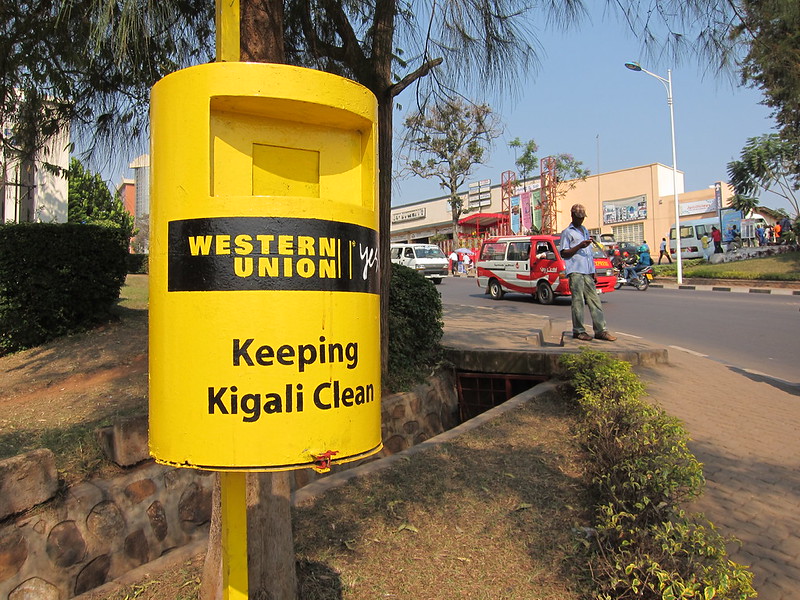
Kigali deserves a prominent place on any list of Rwanda attractions. The capital combines modern development with museums, memorials, restaurants, markets and cultural experiences. Travelers can use Kigali as the starting or ending point for a Rwanda safari. The city also works well for a short city tour before or after visiting the national parks.
One of the most important places to visit is the Kigali Genocide Memorial. The memorial serves as a place of remembrance and education about the 1994 Genocide against the Tutsi. It is also the final resting place for more than 250,000 victims. Visitors should approach the memorial with respect because it is both a historical institution and a place of remembrance.
Kigali also offers museums and cultural spaces. The Kandt House Museum explores Rwandan life before and during the colonial period, as well as the history of Kigali. The Rwanda Art Museum, meanwhile, provides an opportunity to explore contemporary artistic expression.
Hotel options in Kigali: Kigali Serena Hotel, Heaven Boutique Hotel, The Retreat by Heaven, Kigali Marriott Hotel, Radisson Blu and Hotel des Mille Collines provide different accommodation options in the capital.
Kigali Cultural Experiences
A Kigali city tour can include local markets, craft shops and cultural spaces. The Kigali Cultural Village provides a traditional market environment where artisans and food vendors sell local products. It also hosts workshops, events, festivals and music.
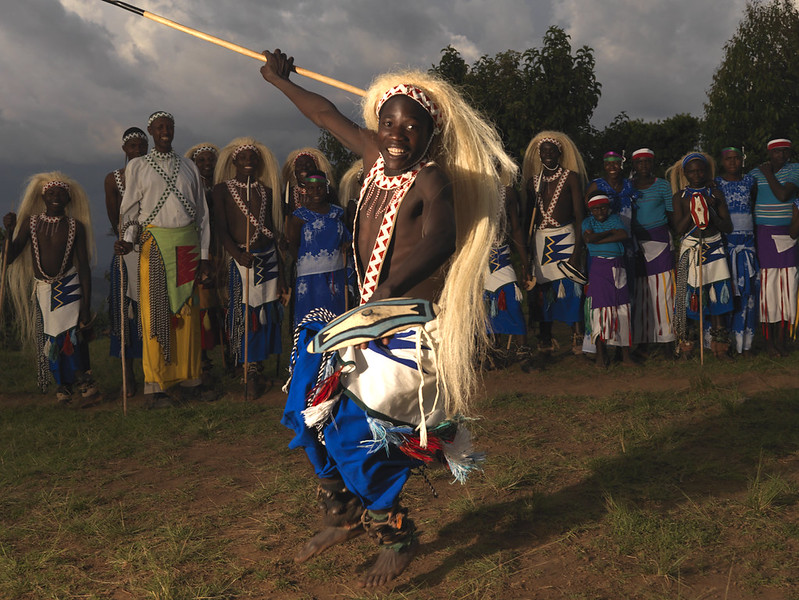
Travelers can also experience Rwandan food and traditional performances. Intore dancing is particularly significant because it has roots in the royal court and remains an important part of Rwanda’s cultural identity.
6. Nyanza and the King’s Palace: Discover Rwanda’s Royal Heritage
For travelers interested in history, Nyanza provides one of the country’s strongest cultural experiences. The town was once the permanent royal capital of Rwanda, and its cultural heritage remains visible today. The King’s Palace is a reconstruction of the traditional royal residence. Its distinctive beehive shaped design gives visitors an insight into traditional architecture and royal life.
One of the most memorable parts of the visit is seeing the long horned Inyambo cattle. These cattle descend from the royal herd and form an important part of Rwanda’s historical traditions. Their keepers maintain traditions associated with caring for and presenting the cattle.
Nyanza works particularly well as part of a cultural route between Kigali and southern Rwanda. Visitors can combine the King’s Palace with the Ethnographic Museum in nearby Huye, creating a fuller picture of Rwanda’s history and traditions.
Hotel options: For visitors staying in the Nyanza-Huye area, accommodation can be planned around Huye as a practical base before continuing toward Nyungwe. Zamunda Travels can also arrange a route that visits Nyanza during a transfer rather than requiring travelers to make a separate journey.
7. Ethnographic Museum in Huye: Explore Rwandan Traditions
The Ethnographic Museum in Huye is one of Rwanda’s most valuable cultural attractions. The museum contains seven galleries covering history, ethnography, art and archaeology. Its collections include objects associated with hunting, agriculture, animal husbandry, pottery, weaving and woodwork. Visitors can also learn about traditional clothing, architecture, beliefs, poetry and oral traditions.
A visit to the museum adds depth to a Rwanda safari because it explains the traditions and history behind the landscapes travelers see during their journey. Instead of simply viewing Rwanda’s countryside from a vehicle, visitors gain an understanding of how communities developed their agricultural practices, crafts and social traditions.
Hotel options: Huye has local hotels and guesthouses suitable for travelers who want to spend the night before continuing to Nyungwe. Alternatively, travelers can visit the museum during a cultural stop between Kigali and Nyungwe.
8. Gishwati-Mukura National Park: A Lesser-Known Forest Experience
Gishwati-Mukura National Park offers a quieter alternative to Rwanda’s more famous parks. Rwanda’s fourth national park consists of two separate forests, Gishwati and Mukura. The park supports chimpanzees, golden monkeys, blue monkeys and L’Hoest’s monkeys, together with many bird species and smaller animals.
The park also demonstrates Rwanda’s commitment to conservation and community involvement. Tourism development in the area has included conservation programs, ecological monitoring and engagement with surrounding communities.
Because Gishwati-Mukura receives less attention than Volcanoes and Nyungwe, it can appeal to travelers looking for a more off-the-beaten-path experience.
Hotel options: Travelers visiting Gishwati-Mukura can stay around the Lake Kivu and Rubavu areas, then arrange guided excursions into the forest. Zamunda Travels can include the park within a broader western Rwanda itinerary.
9. Musanze Cave and the Volcanoes Region
Rwanda’s attractions are not limited to wildlife and museums. Adventure travelers can explore Musanze Cave, one of the best-known caves in northern Rwanda. Visit Rwanda notes that Northern Province contains 52 caves, with Musanze Cave being one of the most popular. Its large entrance and bat colony create an unusual experience for visitors exploring the volcanic region.
Musanze also provides a convenient base for travelers visiting Volcanoes National Park. The town has restaurants, markets, accommodation and artisanal activities. Therefore, visitors can combine gorilla trekking with cultural exploration and adventure activities without changing regions.
Hotel options: Five Volcanoes Boutique Hotel, Amakoro Songa Lodge and Virunga Lodge are among the accommodation choices in the wider Volcanoes region.
10. Rwanda’s Traditional Culture, Dance and Local Experiences
No list of Rwanda attractions would be complete without discussing the country’s living culture. Rwanda’s cultural experiences extend beyond museums and historic buildings. Visitors can encounter traditional dance, basketry, food, music, crafts and community-based experiences.
The Intore dance is particularly important. Historically, Intore performers served the royal court and received military training. Their energetic jumping movements, traditional costumes and music make the performance a memorable cultural experience.
Basket weaving also provides an opportunity to understand Rwanda’s artistic traditions. Travelers can purchase locally produced crafts while supporting artisans and community businesses. Similarly, coffee experiences around Lake Kivu can introduce visitors to Rwanda’s coffee-growing and processing traditions. Visit Rwanda notes that coffee production involves hundreds of thousands of small growers across the country.
Hotel options: Kigali offers the widest range of accommodation for travelers beginning or ending a cultural itinerary. From Kigali, Zamunda Travels can arrange cultural excursions to Nyanza, Huye and other destinations before continuing to Rwanda’s wildlife parks.
Why Combine Wildlife and Culture in Rwanda?
The greatest advantage of a Rwanda trip is the ability to combine wildlife with culture without covering enormous distances. A traveler can start in Kigali, learn about the country’s recent history, travel north for gorilla trekking, continue to Lake Kivu for relaxation and then explore Nyungwe’s rainforest. Another itinerary can combine Akagera’s savannah wildlife with Nyanza’s royal heritage.
This variety makes Rwanda particularly attractive for travelers who want more than a single wildlife activity. A gorilla trek can provide an extraordinary encounter with nature, while a visit to the King’s Palace can explain an important part of the country’s royal history. Similarly, a game drive in Akagera can be followed by a peaceful stay beside Lake Kivu.
Best Way to Explore Rwanda with Zamunda Travels
A good Rwanda itinerary should balance travel time, activities and rest. Zamunda Travels can help travelers combine Rwanda’s major attractions according to their interests, budget and available time. For example, a short trip could focus on Kigali and Volcanoes National Park, while a longer journey could add Akagera, Lake Kivu and Nyungwe.
For wildlife lovers, a combination of Volcanoes National Park and Akagera National Park provides two very different experiences. Volcanoes focuses on mountain gorillas and golden monkeys, while Akagera provides classic savannah safari experiences. Nature enthusiasts can add Nyungwe for chimpanzee tracking and the canopy walkway. Meanwhile, culture lovers can include Kigali, Nyanza and Huye.
Rwanda also supports responsible tourism. Visit Rwanda states that part of tourism and park-related revenue supports local communities, while conservation remains an important part of the country’s tourism model.
When Is the Best Time to Visit Rwanda?
Rwanda can be visited throughout the year, but the best period depends on the experiences you want. Travelers planning gorilla trekking, hiking and wildlife activities should consider weather conditions when choosing their dates. The rainy seasons can make forest trails wetter and more challenging, although they can also produce lush scenery.
Dry periods generally make hiking and wildlife viewing more convenient. However, Rwanda’s climate varies by altitude, so travelers should prepare for cooler conditions in the mountains and warmer temperatures around lower lying areas such as Akagera.
Before booking, it is wise to check current park conditions, permit requirements and accommodation availability. Zamunda Travels can help coordinate these details and create an itinerary that matches the traveler’s priorities.
How Many Days Do You Need in Rwanda?
The ideal length depends on how many Rwanda attractions you want to visit. A three to four day trip can focus on Kigali and Volcanoes National Park. A five to seven day itinerary can add Akagera or Lake Kivu. Travelers with more time can combine Volcanoes, Akagera, Lake Kivu and Nyungwe for a broader experience.
A longer itinerary also gives travelers more time to enjoy cultural experiences rather than simply moving from one attraction to another. This approach works particularly well for travelers who want to combine wildlife, photography, local food, history and relaxation.
Final Thoughts
In conclusion, Rwanda offers an impressive combination of wildlife, landscapes, history and living culture. The country’s Rwanda attractions range from the mountain gorillas of Volcanoes National Park and the Big Five of Akagera to the chimpanzees and canopy walkway of Nyungwe. Lake Kivu adds relaxation, while Kigali, Nyanza and Huye provide opportunities to understand Rwanda’s history, traditions and artistic heritage.
For travelers who want to experience several sides of the country in one journey, Rwanda provides an excellent destination. With careful planning, Zamunda Travels can combine wildlife safaris, gorilla trekking, cultural tours, scenic drives and lakeside relaxation into one memorable Rwanda adventure.